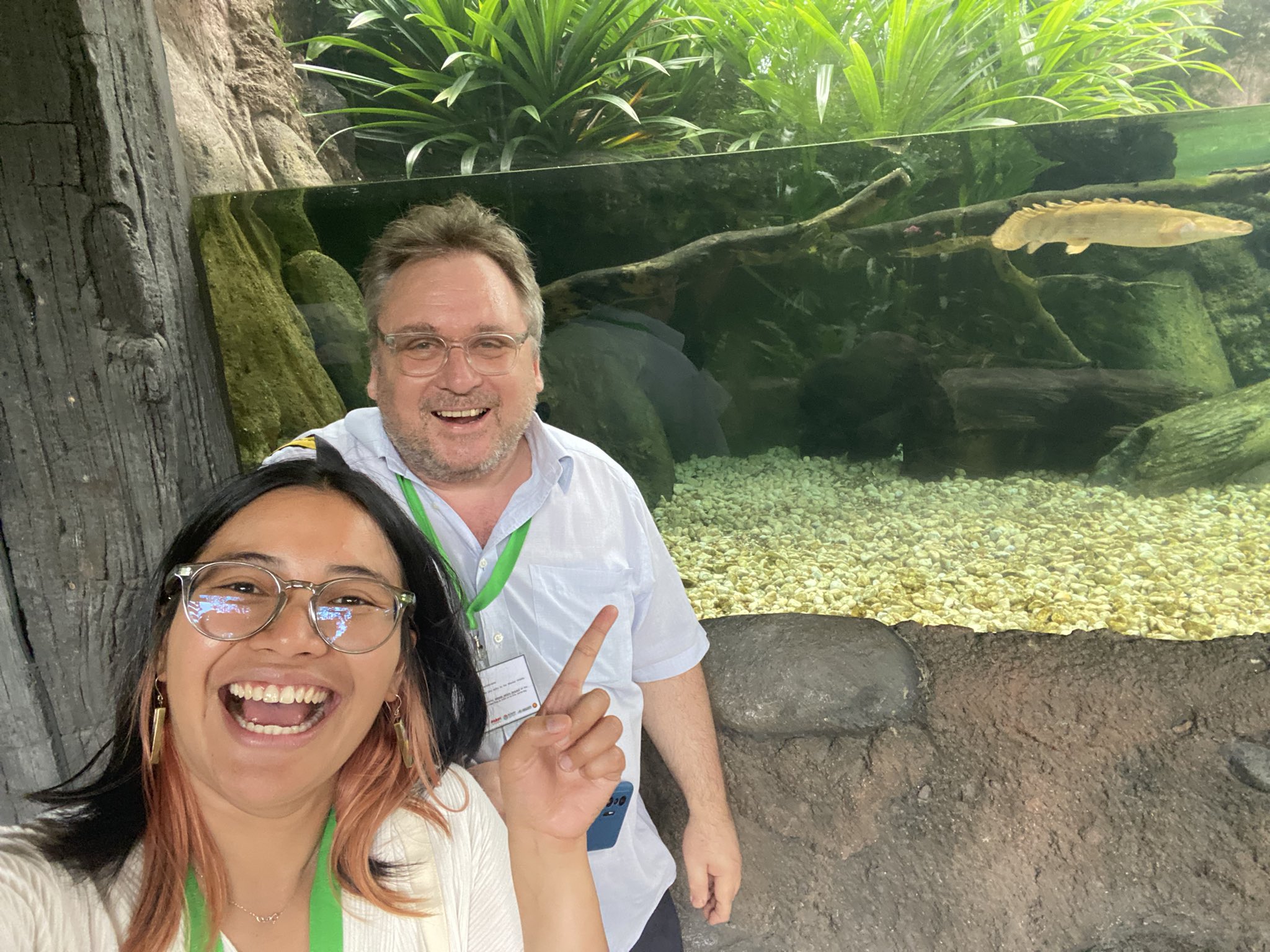
SHOAL at the IUCN World Conservation Congress

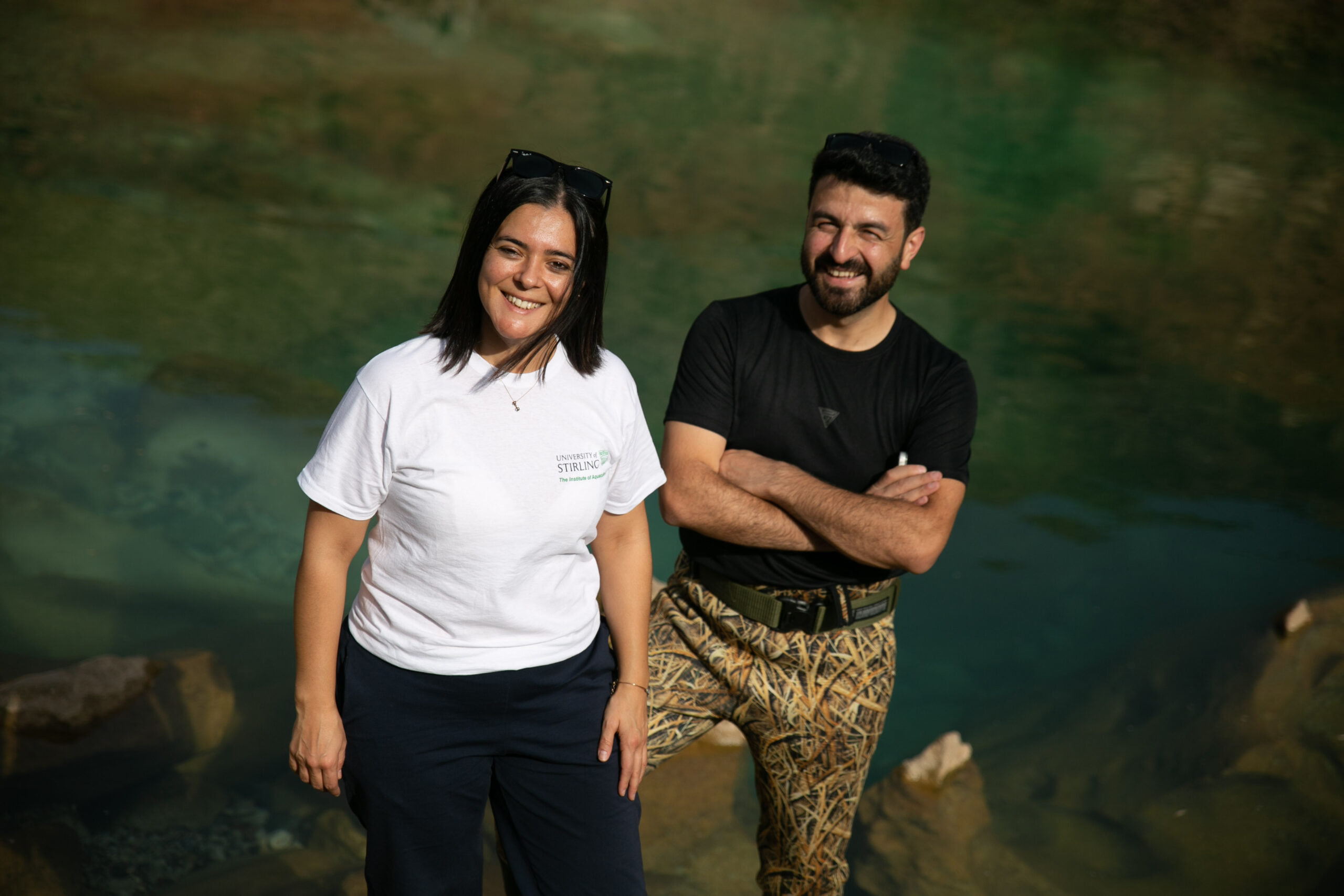
SHOAL’s Grace Brady and Georgie Bull at the SHOAL booth. © SHOAL

SHOAL’s Grace Brady and Georgie Bull at the SHOAL booth. © SHOAL

1000 Fishes gathers support in Abu Dhabi.

The 2025 IUCN World Conservation Congress in Abu Dhabi, 9-15 October, brought together thousands of people working to protect the planet’s biodiversity. For SHOAL, the Congress was an opportunity not only to reconnect with partners and friends from across the world and help shape global conservation policy, but also to gather fresh support for how the 1000 Fishes initiative can help turn back the clock on freshwater extinctions.

This year, SHOAL took part in six sessions across the Congress programme, each addressing critical gaps in freshwater conservation. Three were Forum sessions, which featured in depth discussions, and three were Exhibition sessions, where SHOAL and partners discussed their projects and programmes in various pavilions in the Exhibition Hall.


© Wai Kit
The opening ceremony. © Wai Kit


Forum sessions:

  1. Achieving Conservation and Socio-economic Benefits from Managing Invasive Alien Species (IAS) in Freshwater Ecosystems
  2. Global Mechanisms for the Conservation of Overlooked Species
  3. Overlooked Yet Essential: Advancing the Recognition and Conservation of Springs for Biodiversity and Society

Exhibition sessions:

  1. Innovative Actions for Effective and Resilient Freshwater Connectivity and Conservation
  2. Saving ASAP Fishes: A Radically Collaborative Approach
  3. Transforming Biodiversity Conservation Beyond Protected Areas – OECMs in Asia to Advance KM-GBF Target 3

While each session offered valuable insights, the Forum sessions presented the best opportunity for audience collaboration and rich level of detail. Each of the three provided valuable insights for freshwater biodiversity conservation, and highlighted the growing partnerships and momentum behind SHOAL’s 1000 Fishes initiative.


IUCN WCC opening address © Wai Kit


Achieving Conservation and Socio-economic Benefits from Managing Invasive Alien Species (IAS) in Freshwater Ecosystems

In collaboration with Freshwater Life, International Rivers, the IUCN Species Survival Commission, Office Français de la Biodiversité (OFB), and TARSIUS, SHOAL co-hosted this session, which culminated in a joint statement committing all six organisations to stronger cooperation on invasive species management.

The speakers, including Muhammad Iqram (TARSIUS), Gregg Howald (Freshwater Life), Victoria Lichtshein (IUCN SSC), Joshua Klemm (International Rivers), and Guillaume Gigot (OFB), presented evidence that prevention is the most effective and cost-efficient approach. But they also shared success stories showing that, where invasives have already taken hold, targeted, science-based management can bring ecosystems back to life.

Fundación Somuncura and Freshwater Life’s restoration in Patagonia, which completely removed invasive fish from a section of the Valcheta Stream, causing the dramatic recovery of the Naked Characin (Gymnocharacinus bergii) and Valcheta Stream Frog (Atelognathus rivularis), was highlighted as a leading example.

Graden Froese, CEO of Freshwater Life, said, “Too often, freshwater invasive species can feel like an overwhelming problem. But invasive species can be dealt with, and even permanently removed, from many rivers and lakes. The results, for people and nature, are spectacular. This gathering, the first of its kind at the IUCN’s world conservation congress, reminded and energized us around the importance of action.”

Dileri Berdeja, conservation consultant from Berde Environmental Consulting, who was instrumental in pulling this session together, said, “This session went beyond ecological concerns, emphasising how invasive species intersect with the socio-cultural and economic dimensions of local communities. Managing these species is essential not only for protecting biodiversity but also for safeguarding the livelihoods that depend on healthy freshwater systems. Witnessing collaboration among leading organisations and experts was both inspiring and a much-needed step toward stronger, coordinated global action.”


Global Mechanisms for the Conservation of Overlooked Species

Hosted by Synchronicity Earth and partners including Amphibian Survival Alliance, IUCN Asian Species Action Partnership (ASAP), Mandai Nature, and SHOAL, this session explored how new global frameworks can raise the profile of species often left behind by mainstream conservation, from freshwater fishes to invertebrates and plants. It set the tone for a broader movement recognising that small, data-deficient, and non-charismatic species are every bit as vital to ecosystems as their larger counterparts.

SHOAL highlighted how the 1,000 Fishes Blueprint and its network of Priority Fishes already provide a practical model for identifying and investing in overlooked freshwater species. Participants agreed that better funding mechanisms, stronger coordination, and policy recognition are essential to scaling up this work.

Mike Baltzer, Executive Director of SHOAL, said, “This session fizzed with energy and actionable discussion for how we can together make a huge difference to overlooked freshwater biodiversity. We heard about many new mechanisms and solutions underpinned by a determination for change. This included many visionary funders and host organisations happy to take on the challenge to mobilise action to save these neglected species. Next step is to engage more funders and organisations”.


Overlooked Yet Essential: Advancing the Recognition and Conservation of Springs for Biodiversity and Society

Left to right: Topiltzin Contreras-Macbeath, Joseph Holway, Chouly Ou, Catherine Sayer, john Simaika

Springs, the literal sources of many rivers, received rare attention in this session, which SHOAL co-organised with Re:wild, the International Water Management Institute, the Springs Stewardship Institute, Saint Louis Zoo, and the IUCN Species Survival Commission. It called for global recognition of springs as unique freshwater ecosystems, vital both to biodiversity and to the human communities that depend on them.

The discussion built momentum behind Motion 016 Springs under threat: Mobilising urgent action for neglected freshwater ecosystems, one of two SHOAL-proposed motions at the Congress, both of which were approved and elevated to IUCN Resolutions.

Joseph Holway, Assistant Director at the Springs Stewardship Institute (SSI), said, “At SSI, we have been actively studying and protecting springs for the past four decades, yet their significance has too often fallen on deaf ears. That is why it fills me with hope to see a room full of scientists and conservationists dedicating their time and energy to these systems, these tiny focal points in the landscape that collectively weave together the fabric of biodiversity itself. Without springs, we would have only a fraction of the perennial rivers, wetlands, and ecosystems that sustain life across the planet. It is time that springs receive the attention they deserve as the lifeblood upon which both freshwater and terrestrial biodiversity depend.”

Chouly Ou, Freshwater Fish Conservation Coordinator of SHOAL/Re:wild, addded, “This session provided a much-needed platform for spring experts to meet in person, exchange knowledge, and identify concrete steps to move from motion to action. We discussed the roadmap for protecting springs, the establishment of the IUCN Springs Task Force, and the creation of a Global Springs Alliance. These are essential steps following the adoption of the motion as an official IUCN resolution, and this session marked an important milestone in turning the resolution into coordinated global action”.


Exhibition sessions

Throughout the Exibition sessions, SHOAL and partners highlighted many of the challenges and successes they have been involved in through their work to protect freshwater biodiversity, such as the efficacy of using Other Effective Conservation Measures (OECMS) to solve many freshwater conservation needs, and case studies highlighting how being innovative can help safeguard river connectivity and protect habitats that are highly important for local communities.

Jessica Judith Grefa Huatatoca, a biologist and Indigenous Kichwa woman from Santa Clara, Ecuador, who works with Piatua Resiste to protect the Piatua River and the cultural heritage of the Kichwa people, and who was a panellist in the Innovative Actions for Effective and Resilient Freshwater Connectivity and Conservation session offered some profound words about connectivity: “In the Kichwa tradition, humans are aquatic beings; we don’t say we learn to walk, but that we learn to swim. We are one interconnected, flowing system”.


© Wai Kit
Left to right: Michael Edmondstone, Nerissa Chao, Nathaniel Ng, Shera, and Alex McWilliam discuss ASAP fishes in the IUCN Asia Pavilion. © Wai Kit


Motions and Policy Wins

SHOAL closely followed 15 motions relevant to freshwater conservation. Each was approved, meaning these issues now become formal IUCN policy. Three were debated and adopted in the Members’ Assembly:

  • Motion 067: Living in harmony with rivers through the rights of nature and ecocentric law
  • Motion 094: Recognising the importance of Indigenous languages, knowledge and cultural heritage in biodiversity conservation
  • Motion 108: Development of IUCN guidelines to effectively control the commercial pet trade in terrestrial wildlife

Each adopted Resolution, guides IUCN’s future actions and influences global policy, funding, and awareness.

Motions

Growing the SHOAL

Beyond the sessions, SHOAL’s exhibition booth drew crowds with an interactive fishing game, where visitors could win Priority Fishes posters and learn about the species and people behind them. It proved a fantastic way to spark conversations about freshwater life and the global network working to protect it.

The Congress also marked the first time the entire six-member SHOAL team gathered in person. For a team that works across continents, this made the week especially memorable.

In Abu Dhabi, freshwater voices were loud, united, and full of momentum, showing how much hunger and ambition there is among the wider SHOAL partnership to ensure the 1000 Fishes initiative will succeed. SHOAL leaves the Congress energised and inspired to build on the productive conversations that were had and connections that were made.


SHOAL booth © SHOAL
Georgie Bull’s poster of painted SHOAL Priority Fishes received many justified compliments at the booth. © SHOAL

SHOAL congratulates Dominic Whitmee on OATA retirement

Dominic Whitmee with Dr Matthew Bond speaking at CITES

Dominic Whitmee with Dr Matthew Bond speaking at CITES

Dominic Whitmee with Dr Matthew Bond speaking at CITES. © OATA

This month Dominic Whitmee celebrated his retirement from the Ornamental Aquatic Trade Association (OATA). While it is sad news for us at SHOAL that we will not be working with Dominic further in his role of the Chief Executive of OATA, we wish him all the best for next adventures and hope that he will continue to be a friend to SHOAL.

Many knew him through his role as the CITES representative from the UK government’s Department for Environment Food and Rural Affairs (DEFRA), and respected his extensive knowledge and experience in that role. It was therefore no surprise that he was very successful at OATA and was welcomed and lauded by all its members.

Dominic Whitmee with OATA stand at the launch of Pet Know How at the House of Lords (CASC Event)
Dominic Whitmee with OATA stand at the launch of Pet Know How at the House of Lords (CASC Event). © OATA

Dominic was one of the very first people to participate in the initial steps of SHOAL’s development. His advice, based on a rich knowledge of conservation and the home aquaria hobby, was invaluable to the fledgling initiative. Since our launch in 2019, Dominic has been central to SHOAL’s work of engaging hobbyists and the ecosystem of businesses that support the hobby. We could not have achieved what we have without his generous and enthusiastic support.

We hope to continue to stay connected with Dominic in the future.

We send our congratulations to Dr Matthew Bond who steps into Dominic’s shoes as Chief Executive. We wish him every success and look forward to continuing the excellent partnership between SHOAL and OATA.

World Lake Day 2025

Lake Ontario Shoreline

Lake Ontario Shoreline, taken in Jack Darling Park, Mississauga, Ontario via Creative Commons

The 27 August marks the inaugural UN World Lake Day

World Lake Day

by Catherine Sayer, Eresha Fernando, Karen Murchie & Michael Edmondstone

‘Lakes’, in the words of the United Nations, ‘are one of the most vital natural resources on our planet. They serve as a crucial source of fresh water, supporting drinking water supplies, agriculture, and industry. [They] play a key role in maintaining biodiversity, offering a habitat for countless species of fish, plants, and wildlife, and contribute to climate regulation by keeping the planet cool, absorbing the floodwater and storing carbon1.

But, like other freshwater systems around the world, lakes are affected – sometimes dramatically – by overuse, pollution, abstraction, invasive species, and climate change. Around half (48%) of extinct freshwater animals are lake-dwelling species, which is significant given that less than one fifth (18%) of threatened freshwater animals live in lakes2; in other words, a disproportionate amount of these species go extinct. 

Lakes are already facing serious decline. Inland wetland loss in terms of area lost since 1970 is greatest for lakes, according to the 2025 Global Wetland Outlook, at 31%. In comparison, inland marshes and swamps account for 27%, peatlands 13%, and rivers and streams 6%3. If current trends continue, by 2050, pollution will more than double, methane emissions will surge, species will be lost, and we will witness even greater catastrophic environmental damage and economic loss.

To help raise awareness, celebrate, and encourage action to preserve, conserve, restore, and sustainably manage these intricate ecosystems, the United Nations established the first World Lake Day on 27 August this year, serving as a rallying cry to governments, NGOs, researchers, educators, and local communities to come together through education, restoration efforts, cleanup campaigns, policy advocacy, and community-led conservation actions to ensure lakes around the world are given the best possible chances of thriving long into the future.

In this joint authorship piece, written by Eresha Fernando, IUCN Programme Officer for Freshwater, Catherine Sayer, Freshwater Biodiversity Lead at IUCN, Karen Murchie, Director of Freshwater Research at Chicago’s Shedd Aquarium, and Michael Edmondstone, Communications and Engagement Lead at SHOAL, we discuss conservation actions currently taking place in some of the world’s major lakes.

Michael Edmondstone, SHOAL:

Protecting Endemic Fishes in Sulawesi’s Ancient Lakes: Lake Poso and Lake Lontoa

The Poso and Malili lake systems of Sulawesi are global centres of freshwater endemism, yet many of their species remain poorly known and increasingly threatened. Two recent projects supported by SHOAL partners – Progres in Lake Poso and Hasanuddin University in Lake Lontoa – illustrate both the urgency and the scientific dedication required to conserve these unique faunas.

Endemic ricefishes of Lake Poso

Lake Poso is home to six endemic ricefishes, including the Critically Endangered Adrianichthys kruyti and A. roseni, both of which have not been observed alive for decades. Progres has been leading efforts to verify their continued existence and strengthen local stewardship of the lake’s biodiversity. Over the course of 2024, Progres teams conducted regular monitoring surveys, typically twice a month at dawn and dusk, in collaboration with local ‘Rono’ fishers whose traditional ecological knowledge is crucial for guiding searches.

Lake Poso fisher © Progres

Although these rare Adrianichthys species remain elusive, surveys have documented other endemic ricefishes such as Oryzias nigrimas, O. nebulosus, O. orthognathus, and O. soerotoi. The findings underscore both the persistence of Poso’s endemic fauna and the gaps in knowledge about species once thought to be abundant. Progres has also invested heavily in community engagement, running education programmes with schools, training young people in survey techniques, and building conservation awareness among local fishing groups. These actions aim to ensure that any rediscovery of lost species is paired with long-term protection of their habitats.


The search for Paratherina labiosa in Lake Lontoa.

Lake Lontoa, part of the Malili Lakes system, is the only known habitat of Paratherina labiosa, a sailfin silverside considered Critically Endangered. Recent surveys by Hasanuddin University, in collaboration with local partners, sought to confirm its presence. Two intensive expeditions in July and October 2024 used gillnetting, baited traps, snorkeling, and even underwater drones, but failed to locate the species. While Oryzias marmoratus, several Telmatherina, and endemic gobies were observed, P. labiosa remained undetected.

The surveys also documented alarming environmental pressures. Deforestation around the lake, often for pepper plantations, has led to high sedimentation and nutrient runoff, with ammonia levels recorded up to 0.43 mg/L and iron concentrations above 1.0 mg/L, well beyond safe thresholds for aquatic biota. Algal blooms and reduced water clarity were noted, alongside invasive species such as Tilapia (Oreochromis mossambicus), Snakehead (Channa striata), and Climbing Perch (Anabas testudineus), all of which pose risks to native fish through predation or competition.

Despite the absence of P. labiosa records, the project has strengthened the baseline understanding of Lake Lontoa’s fauna and threats. Plans for further surveys – including environmental DNA analysis – offer hope of clarifying whether this enigmatic fish still survives.

Together, these initiatives in Lake Poso and Lake Lontoa highlight the dedication of local researchers and communities to safeguarding Sulawesi’s irreplaceable freshwater heritage.

Karen Murchie, Shedd Aquarium

Love for the Laurentian Great Lakes

The catchy acronym for the Laurentian Great Lakes (LGLs) in North America is “HOMES” (representing Lakes Huron, Ontario, Michigan, Erie and Superior) that make up this incredible freshwater system holding 21% of the world’s surface freshwater. While it is a fitting way to remember the lake names, it is also a beautiful way to remember that these lakes are habitat for amazing aquatic species as well as the people choosing to live along their shorelines. From 139 native fish species, 47 native freshwater mussel species and even wild rice (manoomin), to the over 38 million residents within the watershed, there are many reasons to highlight the LGLs on the first World Lake Day.  

Beyond the threats identified earlier in this blog, urbanisation and a lack of connectedness to nature can exacerbate the threats to our lakes. As such, public aquariums play an outsized role in showcasing lakes by providing opportunities for guests to look freshwater species in the eye with engaging exhibits and interpretive graphics. Shedd Aquarium, in Chicago, is located on the south shore of Lake Michigan in the United States and believes sparking curiosity, compassion and conservation for the LGLs is a priority. Connections formed at Shedd are important because turbid, cold water often limits interactions among people, the lakes, and animals that call them home. However, at Shedd, guests can reach down and touch a massive Lake Sturgeon, count the stripes on a Yellow Perch, and learn how white suckers feed and migrate up dozens of Great Lakes tributaries, and act on behalf of the LGLs.  

Sturgeon in Shedd Aquarium © Shedd Aquarium

Beyond education, aquarium team members take people, some of whom have never seen Lake Michigan, to walk along its edge and remove plastic and other debris before it enters the water where it can break down and harm wildlife. Last year, we removed over 6000 lbs (>2700 kg) of trash from Chicago area sites! Action Days activities lead to advocacy, where those who see plastic pollution as harmful to the environment can look for opportunities to enact meaningful legislation, such as limiting single use plastics.

GLAD litter pick up © Shedd Aquarium

Knowing how dire freshwater biodiversity loss is across the globe requires an increase in champions for healthy freshwater ecosystems. This has prompted ocean advocates including Dr. Sylvia Earle and her organisation, Mission Blue, to recognise the LGLs as the first-ever freshwater “Hope Spot” in 2023. This much needed recognition we hope will continue as the UN recognises World Lake Day each year and the invaluable ecosystem services these wonders provide. Greater appreciation and protections are exactly what our lakes around the world need to help restore habitats, reverse climate change and keep our freshwater biodiversity and our communities healthy and safe. 

Eresha Fernando, IUCN

Incorporating Indigenous and Local Knowledge into IUCN Red List assessments of Lake Tanganyika freshwater fishes

The IUCN Red List of Threatened SpeciesTM4  is the world’s most comprehensive information source on the extinction risk of species. Typically, the Red List is based on scientific information, but there is now increasing awareness of the need to include knowledge from Indigenous People and Local Communities, with the aim of strengthening the overall evidence base used in IUCN Red List assessments.

Drawing on recent reports on the application of Indigenous and Local Knowledge (ILK) in IUCN Red List assessments5, and IUCN Guidelines for gathering of fishers’ knowledge for policy development and applied use6, IUCN recently applied this guidance into assessment work of freshwater fishes native to Lake Tanganyika. Lake Tanganyika, one of Africa’s Great Lakes, is a global hotspot for aquatic biodiversity, representing the largest freshwater reservoir in Africa supporting over 12 million inhabitants from the surrounding four riparian countries: Burundi, Democratic Republic of Congo, Tanzania, and Zambia)7.

Lake Tanganyika fishers © SHOAL


Through the integration of ILK holders, including fishing community representatives, with intentional inclusion of women and young people to ensure diverse perspectives, IUCN were able to develop a dialogue between fishers and the local community, local authorities, and scientists. This dialogue has subsequently enabled ILK to be successfully incorporated into multiple IUCN Red List assessments of Lake Tanganyika freshwater fishes, and in some cases has led to the recognition of a higher extinction risk of certain species. 

This process has therefore not only proved the strengths of using both traditional and scientific knowledge systems, but has led to more comprehensive extinction risk evaluations of Lake Tanganyika freshwater fishes, and will ultimately support inclusive and locally-grounded conservation in lake systems.

Native species aquaculture for conservation, economic growth and human nutrition in Lake Victoria

Lake Victoria, shared by Kenya, Uganda and Tanzania, is one of the sources of the famed Nile River. It is the world’s second largest lake by surface area (Lake Superior on the USA/Canada border is first) and the largest tropical lake. 

Historically, Lake Victoria was one of the world’s most biodiverse freshwater ecosystems, with the diversity anchored by its community of more than 500 endemic cichlid species that evolved there. These Lake Victoria cichlids – Haplochromides – come in an incredible assortment of sizes, display extensive differences in their diets and behaviours, and tend to be dazzlingly coloured, making them darlings of aquarists. Sadly, due to the combined forces of the all-too-common factors of habitat loss, over-fishing, pollution, and the deleterious impacts of exotic species (particularly the intentional introduction of the predatory Nile Perch in the 1950s; Lates niloticus), haplochromide populations throughout the lake are greatly reduced.

Lake Victoria via Creative Commons

An additional threat to the native fishes of Lake Victoria, as is also happening in many other tropical lakes, is the recent and rapid expansion of cage-based aquaculture. In cage culture, “fingerlings”, (i.e. juveniles a few weeks old) produced in a hatchery are placed into floating nets, fed a commercially purchased fish food, and allowed to grow to marketable size and then harvested. Cage culture almost exclusively uses the non-native Nile Tilapia, a highly domesticated genetic hybrid developed for fast growth. While cage culture has been successful at producing a reliable and healthy human food supply and has provided new economic opportunity to a historically under-developed human community, it has also brought notable challenges. Unfortunately, in many instances, aquaculture cages are often located in the heart of the best habitat for the native fishes for the obvious reason that these locations have the best water quality for fish growth. For the native fishes, escape of the domestic Nile Tilapia leads to the native fishes being out-competed for food and displaced from their habitats by the more aggressive and faster growing exotics. Further, due to the high density of fish in the aquaculture cages, there can be extensive water quality degradation in proximity of the cages stemming from an over-abundance of nutrients from decomposition of undigested fish food and fish metabolic waste. 

Against this backdrop of general threat is the plight of two of the native haplochromide species, the Singida Tilapia (aka ‘ngege’; Oreochromis esculentus) and the Victoria Tilapia (‘Mbiru’; O. variabilis). Historically, these two species were dominant parts of the fish harvest from the lake and common parts of human diets. Due to the above noted factors, these fish are now Critically Endangered. 

Working in partnership with relevant government agencies and multiple private sector concerns, ranging from commercial scale aquaculture enterprises to start-up women’s collective cage culture organisations and regional farmers working to formulate locally produced fish feeds, our research group is trying to turn cage-culture into a potent tool for native species recovery. Our approach involves collecting specimens of these two species from the few remaining healthy populations found in the small satellite lakes near Lake Victoria and establishing a captive breeding programme. Twin goals of the breeding programme are i) to protect the genetic integrity of the different lineages and release progeny back to the wild once the limiting factors that caused the local extirpations have been rectified, and ii) use selective breeding techniques to produce strains of these two species suitable for cage-culture grow-out operations and thereby replace the non-native Nile Tilapia with these native species. Our research shows a few additional benefits. Firstly, in market evaluation, based on factors like cultural awareness and taste, we have found a strong human preference for the native fish over the exotic Tilapia. Hence, the potential exists to establish a ‘premium’ product that might yield higher profit margins, particularly from regional export markets that send fishes to the larger cities of the region. Secondly, the native fish appear to offer a distinctly different fatty-acid profile than the non-natives. These fatty-acids are essential parts of a healthy human diet, so it appears that moving the marketplace towards the native fishes may well yield human health benefits to complement the biodiversity conservation benefits.          

Together, these efforts showcase the power of combining scientific assessment, policy designation, community capacity building, Indigenous and Local Knowledge, invasive species management, and long-term planning to ensure our world’s lakes thrive in the future.

As we observe the inaugural UN World Lakes Day, these examples from lakes Poso, Lontoa, Tanganyika, Victoria, and the Laurentian Great Lakes, stand as powerful emblems of both the fragility of freshwater ecosystems and humanity’s capacity to act. The dramatic changes to the balance of the lakes over the past few decades remind us why freshwater conservation must be urgent, local, collaborative – and full of hope.    

Lake Superior via Creative Commons


  1. https://www.un.org/en/observances/world-lake-day
  2. https://www.nature.com/articles/s41586-024-08375-z
  3. https://www.global-wetland-outlook.ramsar.org/
  4.  IUCN. 2025. The IUCN Red List of Threatened Species. Version 2025-1. https://www.iucnredlist.org. Accessed July 2025.
  5.  IUCN. 2022. Application of Indigenous & Local Knowledge (ILK) in IUCN Red List assessments: White paper. Version 1. Adopted by the IUCN SSC Red List Committee and IUCN CEESP-SSC Sustainable Use & Livelihoods Specialist Group Steering Committee. https://www.iucnredlist.org/resources/ilk.
  6.  Cowie, W., Al Dhaheri, S., Al Hashmi, A., Solis–Rivera, V., Baigun, C., Chang, K., Cooney, R., Kamaka‘ala, S., Lindeman, K., Louwa, C., Roe, D., Walker–Painemilla, K., Al Baharna, R., Al Ameri, M., Al Hameli, S., Al Jaberi, K., Alzahlawi, N, Binkulaib, R., Al Kharusi, Y. 2020. IUCN Guidelines for gathering of fishers’ knowledge for policy development and applied use. IUCN, Gland, Switzerland; and Environment Agency – Abu Dhabi, United Arab Emirates. https://iucn.org/resources/publication/iucn-guidelines-gathering-fishers-knowledge-policy-development-and-applied.
  7.  Phiri, H., Mushagalusa, D., Katongo, C., Sibomana, C., Ajode, M. Z., Muderhwa, N., Smith, S., Ntakimazi, G., De Keyzer, E. L. R., Nahimana, D., Mulungula, P. M., Haambiya, L. H., Isumbisho, P. M., Limbu, P., Kimirei, I. A., Marwa, N. B., Mlingi, R. J., and Mangaza, A. M. 2023. Lake Tanganyika: Status, challenges, and opportunities for research collaborations. Journal of Great Lakes Research. 49 (6); 1-13.

‘Africa’s Forgotten Fishes’ report released

© Jeremy Shelton

© Jeremy Shelton

Africa's Forgotten Fishes and the emergency recovery plan to save them

Africa’s Forgotten Fishes, a major new report, is released today. Led by WWF and supported by SHOAL and 16 other leading conservation organisations, this landmark publication puts the spotlight on the astonishing diversity of Africa’s freshwater fishes, the mounting threats they face, and the urgent action needed to save them.

Africa is home to at least 3,281 species of freshwater fish, from electric elephantfishes to ancient lungfishes and the spectacular cichlids of the Great Lakes. These species underpin entire ecosystems and support the daily lives of millions of people. In fact, Africa produces nearly 30% of the world’s wild freshwater fish catch – the highest per capita consumption of any continent – and employs more than 3 million people through inland fisheries.

But these vital species are vanishing fast.

Freshwater fish populations are plummeting across the continent due to habitat loss, pollution, invasive species, over-abstraction, damming, unsustainable fishing and climate change. Already, at least 26% of Africa’s freshwater fishes are threatened with extinction – and that’s likely a significant underestimate.

Too often, freshwater fishes have been left out of the conservation conversation. They remain invisible to many decision-makers, overlooked when it comes to infrastructure, land use and water policy, despite the enormous benefits they provide to food security, livelihoods and ecosystem health.

But there’s a path forward. Africa’s Forgotten Fishes outlines a science-backed Emergency Recovery Plan, adapted to African contexts, that includes six proven pillars: let rivers flow more naturally, improve water quality, protect and restore habitats, end unsustainable resource use, control invasive species, and safeguard remaining free-flowing rivers.

The report arrives at a moment of real opportunity. Twenty African countries have already signed onto the Freshwater Challenge – the largest global freshwater restoration initiative in history. And with the Kunming-Montreal Global Biodiversity Framework now in play, countries have committed to protecting and restoring at least 30% of inland waters.

At SHOAL, we are proud to stand behind this report and its call for urgent, coordinated action. Africa’s freshwater fishes are not just biodiversity: they are life, culture, resilience and hope. We must act now, before more species slip away unnoticed.

👉 Read the full report here

Africa's Forgotten Fishes © WWF

Sanctuary: a fundraising effort to save Betta burdigala

Dr. Josie South with Betta burdigala © Josie South

Dr. Josie South with Betta burdigala © Josie South

“If I ask you where to find a fish, what would you say?” So starts starts Dr. Josie South, lecturer and researcher at the University of Leeds. “In the sea, rivers, lakes or streams? What if I told you there are fish in the forest, beneath the leaves? Beneath what you think is solid ground is a teeming world of life. These peat swamps of Bangka Island, Indonesia are the only home of the bubble-nest building Betta burdigala. This is a unique habitat that is unfortunately being rapidly destroyed.”

South has been working with Dr. Veryl Hasan, researcher of aquatic biodiversity at Airlangga University, Indonesia, and stars in a beautiful new film –Sanctuary – about the IUCN SSC Asian Species Action Partnership, Mandai Nature and SHOAL-funded project to conserve the Critically Endangered species.

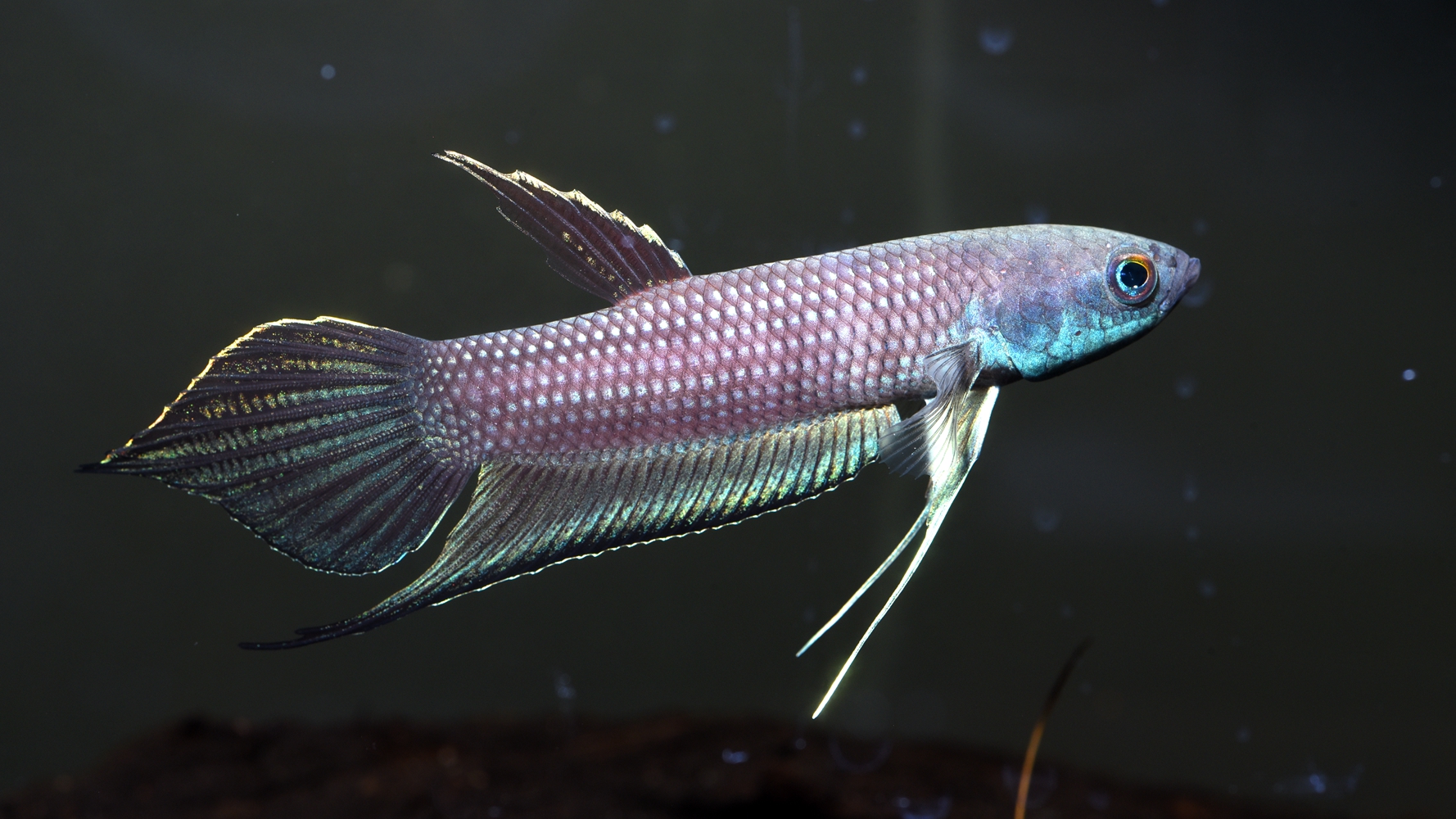
Beneath the leaf litter of Bangka Island’s dwindling peat swamp forests, the crimson Betta burdigala survives in acidic, oxygen-poor waters by breathing air through a specialised labyrinth organ. Its only known habitat, a small strip of peat swamp forest, is being cleared for palm oil plantations, and with the loss of the forest comes a loss of hope for the wild population.

Dr. Veryl Hasan in Betta burdigala habitat © Josie South

SHOAL are working closely with South and Hasan, along with their teams and Universitas Bangka-Belitung and National University of Singapore to protect these special fish and their habitat through captive breeding and identification of possible sanctuary sites.

As South says, “Our captive-breeding and reintroduction programme is nothing without a dedicated protected area which can buffer the fragile population from any threats.”

Sanctuary is an urgent call to action to protect the remaining Betta burdigala habitat before it is lost forever. To learn more about this urgent project, check out our project page.

A GoFundMe page is currently live, raising vital funds to purchase the land rights to some of the remaining Betta burdigala peat swamp habitat, preventing the land from being sold for palm oil plantation. Contribute here.

Watch the film:


New Species 2024 report released

aquarel © Samanta Vanesa Faiad

aquarel © Samanta Vanesa Faiad

Our annual New Species report, highlights the 260 freshwater fish described throughout 2024.

A fish that lives not in water but in … mud!

Just one of the weird and wonderful new fishes described to science in 2024: This World Wildlife Day, SHOAL release their fourth annual New Species report. New Species 2024 draws attention the the 260 freshwater fish species described throughout the year, and celebrates the taxonomists who work so hard to bring these fishes to the light.

The class of 2024 includes:

  • Berlin’s Bloodworm Eel, a blind eel uniquely adapted to life in the mud
  • Adriana’s Pearlfish, discovered just meters from a tourist path, a stone’s throw from the mighty Iguazú Falls, Argentina.
  • Two species of pacu, a vegetarian close relative of the piranha, including one named after the Lord of the Rings villain Lord Sauron.

We also catch up with three leading taxonomists to learn more about their incredible work.

Let’s look at the numbers!

Of the 260 freshwater fish first described in 2024, there are:

  • 137 from Asia
  • 84 from South America
  • 28 from Africa
  • 4 from Europe
  • 4 from North America
  • 3 from Oceania

“Just as taxonomic discovery opens the doors to later scientific research and understanding, we hope that getting to know the stories of each of these new freshwater fish species will help strengthen the desire to protect them and the habitats they need to survive. Sure, conservation news can sometimes be depressing; but there yet remains so much biological richness that is worth fighting for.”

Chouly Ou and Nathaniel NG, SHOAL

New Species 2024 is a collaboration…

…between SHOAL, the IUCN Freshwater Fish Specialist Group, and the California Academy of Sciences. As well as highlighting the newly described species, it deep dives into a selection of fish species and showcases some of their incredible adaptations.

The report is the fourth edition of SHOAL’s annual release of New Species reports. Read previous New Species editions here.

Read this year’s below ↓

New Species 2024 report

Saving Mexico’s Goodeid Fishes: Plan G update Feb 25

surveying a private cisterne © Mike Köck/Plan G

surveying a private cisterne © Mike Köck/Plan G

Saving Mexico’s Goodeids: Plan G update Feb 25

The Laguna de Sayula in Jalisco, Mexico, was once home to five species of Goodeid fish. However, excessive water extraction for agriculture and declining rainfall due to climate change have drastically reduced water levels, wiping out most of these species from their natural habitats. By 2019, only one species, Goodea atripinnis, remained in the area.

As part of Plan G – the international collaboration to save the 40 species of threatened Goodeids – experts have launched an ambitious project to restore Goodeid populations to the Laguna de Sayula basin, with support from the Junta Intermunicipal de Medio Ambiente Lagunas (JIMAL) and the Wilhelma Botanical and Zoological Garden.

In January 2024, a team from Plan G, Universidad Michoacana de San Nicolás de Hidalgo, and JIMAL conducted a week-long research expedition across 80 sites in the basin. Their goal was to find any surviving populations, identify potential reintroduction habitats, and establish a breeding programme.

A major milestone was achieved with the successful transfer of approximately 250 Skiffia francesae from the Fish Ark in Morelia to a specially designed geocistern in Amacueca. This facility, established in partnership with JIMAL and local authorities, will serve as a breeding centre to prepare fish for future reintroductions.

a small water reservoir in the Mexican highlands, eventually a place for Skiffia francesae reintroduction © Mike Köck/Plan G
A small water reservoir in the Mexican highlands, eventually a place for Skiffia francesae reintroduction © Mike Köck/Plan G

Searching for Survivors

Despite the widespread drying of rivers and streams, the expedition uncovered some hopeful signs. In the Arroyo Citalá near the village of Citalá, researchers found small numbers of Xenotoca melanosoma, one of the missing Goodeid species. Even more encouraging was the discovery of a strong population of Zoogoneticus purhepechus in a river near Teocuitatlán de Corona, an area where it was thought to have disappeared. These findings provide a critical foundation for conservation efforts, as both species were relocated to JIMAL’s breeding facilities for protection and population recovery.

Additionally, the discovery of Ilyodon whitei—a species previously unrecorded in the region—raises questions about historical water connections between basins. Further studies will determine whether this population is native or introduced, influencing future conservation strategies.


Next Steps: Expansion and Community Engagement

With these promising results, Plan G is now focused on expanding conservation efforts. Additional geocisterns will be installed to house Xenotoca melanosoma, Zoogoneticus purhepechus, and Ameca splendens—a species believed to be extinct in the wild in the Sayula basin. Efforts are underway to locate any remaining Ameca splendens in private ponds, reservoirs, or local collections. A public awareness campaign, including search posters, aims to engage local communities in the hunt for this lost species.

In Amacueca, scientists will begin experiments to assess the impact of invasive Guppies on native fish populations. Meanwhile, discussions with local authorities in Teocuitatlán de Corona will explore ways to improve water quality and habitat conditions for the remaining Goodeid populations.

surveying a polluted river in Santa Gertrudis © Mike Köck/Plan G
Surveying a polluted river in Santa Gertrudis © Mike Köck/Plan G
preparing Skiffia francesae for release in the geozisterne © Mike Köck/Plan G
Preparing Skiffia francesae for release in the geozisterne © Mike Köck/Plan G

A Hopeful Future

The Laguna de Sayula restoration project is well underway, with three key missions already making significant progress:

  • Returned Skiffia francesae to valley where it was extirpated – Successfully completed
  • Identifying future habitats – Successfully completed
  • Locating lost Goodeid species – Two-thirds completed

With continued research, habitat restoration, and local engagement, Plan G aims to restore these unique and endangered fish to their rightful place in Mexico’s waterways. The road ahead is long, but the mission is on track, and hope remains strong for the future of Mexico’s Goodeid fishes.

As Mike Köck, Plan G’s Chair, says, “Mexico is showing the change it is capable of and deserves our support and trust. We can do this!”

If you are interested in contributing to this urgent programme to save Mexico’s highly threatened Goodeid species, get in touch today.


One quarter of freshwater animals at risk of extinction – IUCN Red List

Astyanax mexicanus © Topiltzin Contreras-MacBeath

Astyanax mexicanus © Topiltzin Contreras-MacBeath

One quarter of freshwater animals at risk of extinction – IUCN Red List

Astyanax mexicanus © Topiltzin Contreras-MacBeath

The largest global assessment of freshwater animals on the IUCN Red List of Threatened Species™ to date has revealed that 24% of the world’s freshwater fish, dragonfly, damselfly, crab, crayfish and shrimp species are at high risk of extinction, according to an analysis published in Nature today. The IUCN co-authored study recommends targeted action to prevent further extinctions and calls for governments and industry to use this data in water management and policy measures.

“As the IUCN Red List celebrates its 60th anniversary, it is a stronger barometer of life than ever. Lack of data on freshwater biodiversity can no longer be used as an excuse for inaction,” said Catherine Sayer, IUCN’s Freshwater Biodiversity Lead and lead author on the paper. “Freshwater landscapes are home to 10% of all known species on Earth and key for billions of people’s safe drinking water, livelihoods, flood control and climate change mitigation, and must be protected for nature and people alike. The IUCN World Conservation Congress this October will guide conservation for the next four years, as the world works to achieve the Sustainable Development Goals and the Kunming-Montreal Global Biodiversity Framework targets by 2030. This information will enable policy makers and actors on the ground to plan freshwater conservation measures where they are most needed.”

The study, “One quarter of freshwater fauna threatened with extinction”, found that at least 4,294 species out of 23,496 freshwater animals on the IUCN Red List are at high risk of extinction. The greatest number of threatened species are found in Lake Victoria, Lake Titicaca, Sri Lanka’s Wet Zone and the Western Ghats of India, according to the study. These areas are home to some of the highest freshwater biodiversity in the world, including many species found nowhere else on Earth, and are all investment priorities as outlined by SHOAL’s 1,000 Fishes Blueprint.


Amphilophus istlanus © Topiltzin Contreras-MacBeath

Pollution, mainly from agriculture and forestry, impacts over half of all threatened freshwater animals. Freshwater ecosystems are further degraded by land conversion for agricultural use, water extraction and the construction of dams, which also block fish migration routes. Overfishing and the introduction of invasive alien species have had a particularly strong role in driving extinctions. For example, the carp Squalius palaciosi, last seen in 1999, was declared Extinct this year due to habitat loss through the construction of dams and weirs and the introduction of invasive alien species in southern Spain.

The paper found that although the threatened freshwater animals studied tend to live in the same areas as threatened amphibians, birds, mammals and reptiles, they face different threats due to their specific habitats. Conservation action must therefore be targeted to these species.


Hydropower Turkey, © Eva B. Thorstad, NINA

“Although they live side by side in the Western Ghats, conservation action for tigers and elephants will not help the Critically Endangered Humpbacked Mahseer (Tor remadevii), which is threatened by habitat loss due to river engineering projects and sand and boulder mining, poaching and invasive alien species. Active protection of the river and tributaries where the Humpbacked Mahseer lives is essential to its survival, in addition to fishing regulations and banning the introduction of further invasive alien species”.

– Dr Rajeev Raghavan, South Asia Chair of the IUCN SSC Freshwater Fish Specialist Group and a co-author on the paper.

Crabs, crayfishes and shrimps are at the highest risk of extinction of the groups studied, with 30% threatened, followed by 26% of freshwater fishes and 16% of dragonflies and damselflies. This global freshwater fauna assessment is the result of over 20 years of work by more than 1,000 experts from around the world.

Freshwater infographic © Sarah Streyle - Conservation International
Freshwater infographic © Sarah Streyle – Conservation International

“Freshwater ecosystems and the species they support are often taken for granted, but they are critical to preventing biodiversity loss and securing livelihoods. As we learn more about species living in freshwater habitats around the world, it’s clear that we need to scale efforts to protect them”.

– Dr Chouly Ou, SHOAL US Coordinator.

“It’s easy to see that freshwater ecosystems have been under extreme stress as drinking water becomes limited, droughts intensify and pollution seeps into these habitats. To learn that a quarter of the world’s freshwater species are at high risk of extinction as a result is a deeply troubling trend. This sciences shows what we already feared to be true – freshwater ecosystems and the species that live within them need immediate help. Most threatened freshwater animals like shrimps, crayfish and crabs are small, living unseen beneath the surface but no matter their size, they are essential for keeping healthy the ponds, lakes and rivers that billions of people rely on. Environmental degradation is a risk to their survival and our own. We must take this news seriously and rather than despair, invest energy and resources into conserving these environments – our health, nutrition, drinking water and livelihoods depend on them.”

– Stephanie Wear, Conservation International senior vice president at the Moore Center for Science.


SHOAL Wrapped 2024 (freshwater highlights)

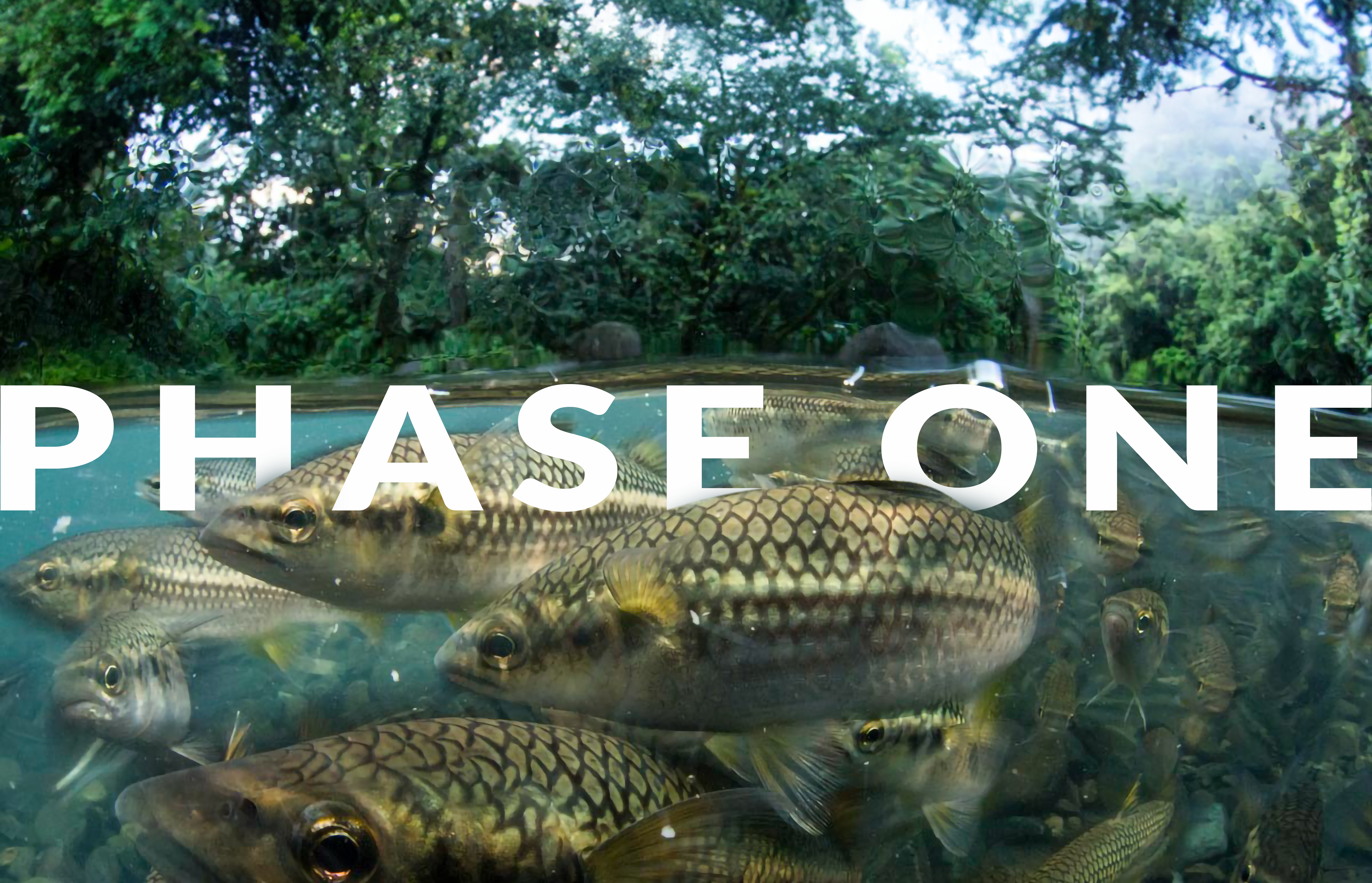
A photograph of a school of brown fish underwater, with the waterline bisecting the image so you can see the trees and plants above water too.

SHOAL Wrapped is where freshwater fans get a deep dive into our most memorable moments of the year.

A photograph of a school of brown fish underwater, with the waterline bisecting the image so you can see the trees and plants above water too.
© Jeremy Shelton

We launched our flagship initiative The 1,000 Fishes Blueprint

In April we launched flagship initiative The SHOAL Blueprint for Conservation Action for 1,000 Freshwater Fishes by 2035.

This exciting and ambitious new plan accelerates action for freshwater species by mobilising collaborative conservation efforts for 1,000 of Earth’s most threatened freshwater fish species by 2035.

“The Blueprint shows the level of ambition and determination we need to turn back the tide on the freshwater biodiversity crisis, and halt extinctions and recover populations of the world’s most threatened freshwater fish. It is collaborative to its core and puts local communities at the forefront of impactful conservation action.”

Mike Baltzer, Executive Director, SHOAL

Efficiency and collaboration are key to the success of the plan’s global impact – a whopping 74% of Priority Species are found across just 20 countries.

Find out more

A photograph of a leopard spotted fish.
© Metin Yoksu

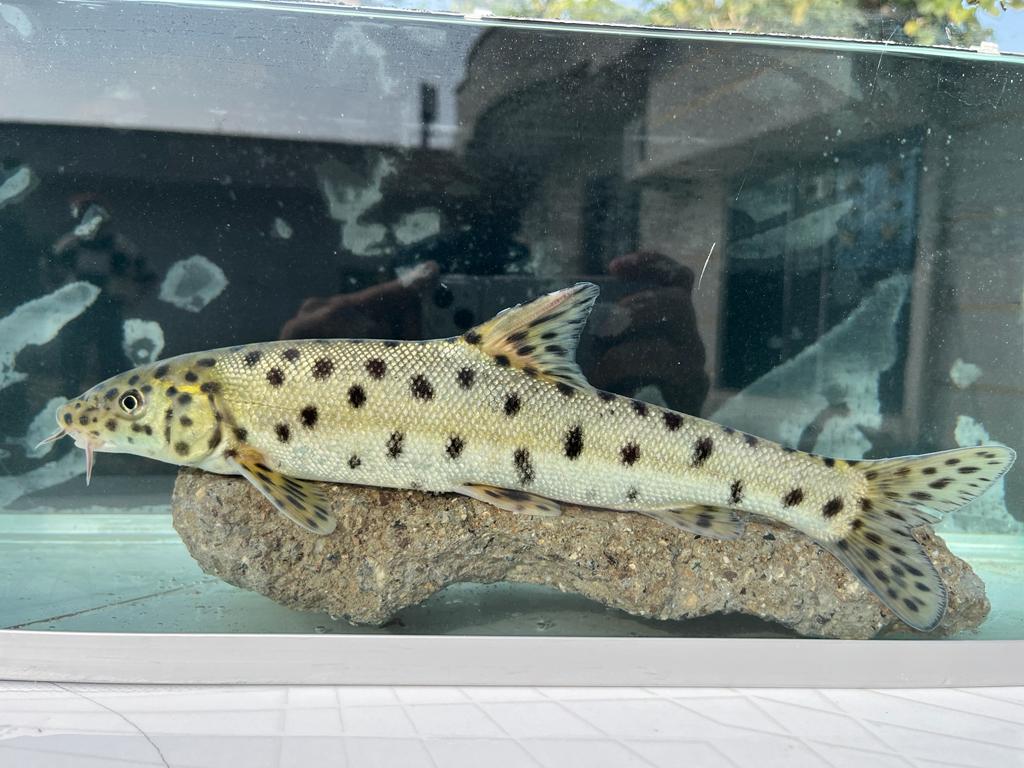
The lost Leopard Barbel was found

What a way to start the year! In January a team of ichthyologists in Türkiye, lead by Dr Cüneyt Kaya and Dr Münevver Oral rediscovered the Leopard Barbel.

The species is the second of our Most Wanted Lost Fishes to be rediscovered, after the Batman River Loach was found by the same team in 2021.

Local fisherman Mehmet Ülkü called just two days after their second expedition with the good news.

“We dropped everything and would have gone to the ends of the Earth to see this fish, this legend, alive in the wild. It was the realisation not only of our dream to find this lost species, but of the hope that not all is lost — we still have a chance to protect the Leopard Barbel and all of the other incredible freshwater species it shares its home with.”

Dr Münevver Oral, Assistant professor at Recep Tayyip Erdogan University

Ülkü kept the fish alive in a tank overnight, as the pair raced back. Kaya took a flight to Van city, then drove nearly six hours to Cizre, while Oral drove more than 11 hours through the night.

By the time they arrived, Ülkü had caught a second Leopard Barbel safely in his nets.

Find out more→

A photograph of a pale white fish with no eyes and a horn, swimming underwater.
© Jia-Jun Zhou

We released our third New Species report

A minnow hiding in a megacity, seven Swiss whitefish, and a cavefish so relaxed around humans that it eats cookie crumbs straight out of people’s hands.

On World Wildlife Day in March we released our third annual New Species report, detailing the 243 freshwater fish species described in 2023.

“Awareness-raising is a critical part of the work needed to give these species a chance of survival, and it’s our hope and expectation that New Species reports will go some way to driving a greater appreciation for freshwater fish.”

Mike Baltzer, Executive Director, SHOAL

Contributions from researchers and taxonomists who work hard to discover and describe new species make the landmark report possible. We’re now looking forward to New Species 2024, and we want to hear from you again! If you have come across a species this year you think should be included, get in touch.

Find out more

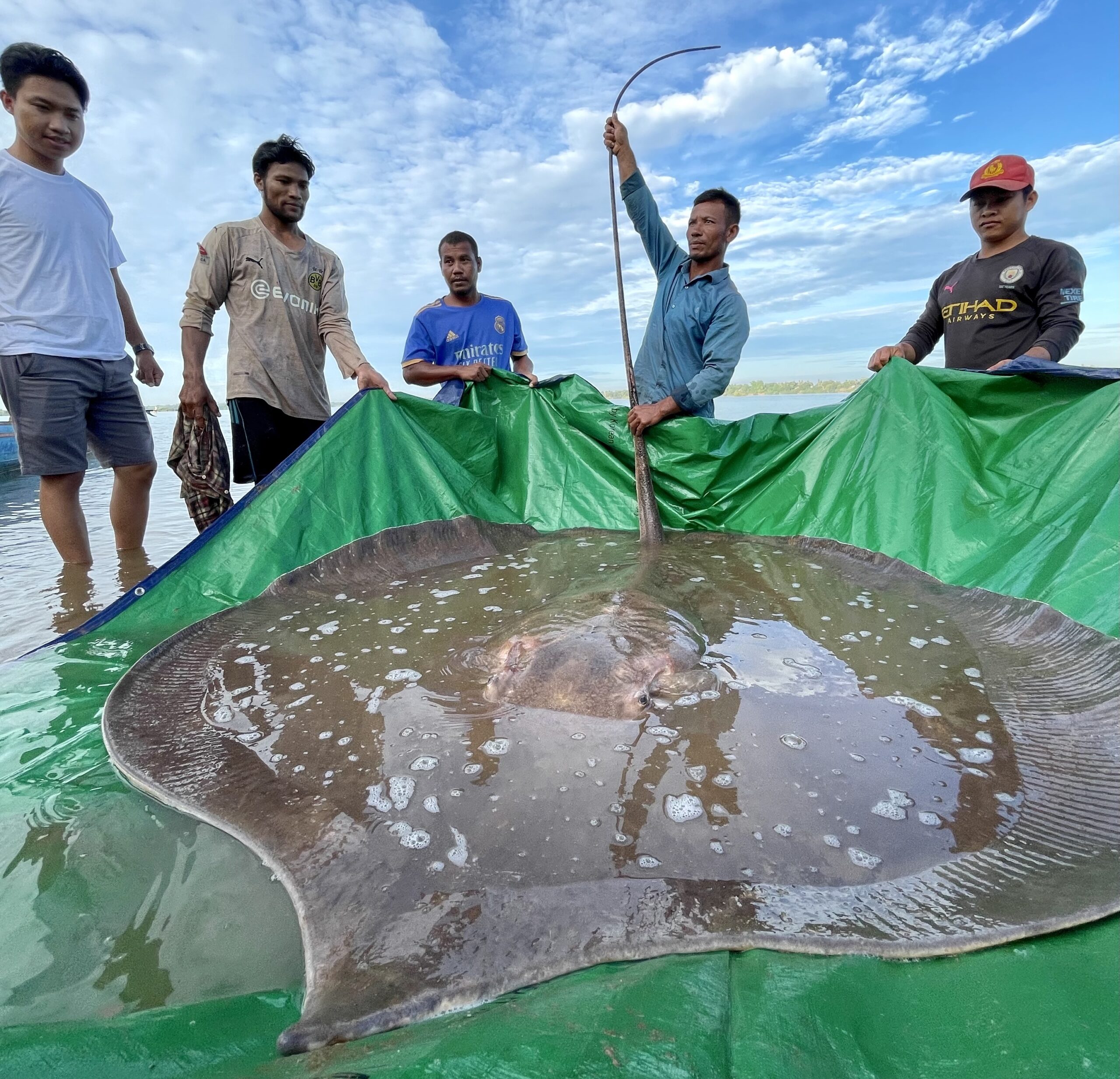
A giant freshwater stingray on green tarpaulin, being held up by four men.
© Zeb Hogan

We partnered on WWF’s flagship Mekong report

March was a busy month at SHOAL HQ! Just one day after New Species 2023 dropped, the WWF released a flagship report focussing on the dazzlingly diverse fishes of the Mekong.

Home to some world’s largest freshwater species (as well as one of the smallest!), one-fifth of the fish that call the Mekong home are already facing extinction. Urgent action is needed to safeguard the future of these extraordinary fishes – and the people & ecosystems that depend on them.

“While this report is definitely intended to be a wake-up call, it is not just a litany of doom and gloom. It is a story of hope because we can still chart a course for a brighter future for the Mekong River.”

Lan Mercado, WWF Asia-Pacific Director

We are proud to have partnered with the WWF on this report – a celebration of these amazing fishes and their mighty river, as well as an urgent call for action to save them.

Find out more→

A photograph of three team members at SHOAL, left to right Georgie Bull, Chouly Ou and Nathaniel Ng
© SHOAL

The SHOAL team grew and grew

The SHOAL team doubled in size this year, as we expand to meet our ambitious Phase 2 goals! We were thrilled to be joined by Georgie Bull as Programme Officer, Dr. Chouly Ou as US Conservation Coordinator, and Dr. Nathaniel Ng as Southeast Asia Programme Coordinator.

“Each of the new SHOAL staff members is a real expert at what they do, and the fresh energy and ideas that Chouly, Georgie and Nat have brought to the team have been powerful drivers to help us kick on and provide a new level of support to the SHOAL partners around the globe. It’s fantastic to have them on board!”

Mike Baltzer, Executive Director, SHOAL

Get to know the team→

A man stands infront of projector screen, with a slide that says SHOAL next to multiple photographs of fish.
© SHOAL

We stopped by the Sustainable Eel Group conference

In July SHOAL Executive Director Mike Baltzer spoke at the Sustainable Eel Group conference, discussing The 1,000 Fishes Blueprint’s relevance to the conservation of the Critically Endangered European Eel.

Afterwards we were thrilled to participate in the release of thousands of elvers into the River Brue in Glastonbury, a great chance to boost numbers of the depleted species!

“The work the Somerset Eel Recovery Project (SERP) do, in partnership with the Sustainable Eel Group, is fully aligned with SHOAL’s mission, and it is wonderful to be involved with such a passionate and dedicated group who are doing wonders to give the Critically Endangered European Eel the best possible chances of recovery in the Somerset Levels.”

Mike Baltzer, Executive Director, SHOAL

Find out more→

A man sits on a grey wall in front of a large and low concrete and metal building.
© Michael Köck

We followed Michael Köck around Europe

Michael Köck is the Chair of Plan G, an initiative to save the highly threatened Goodeinae family of Splitfins in Mexico.

He spent the Autumn of this year on tour across Europe with the aim of engaging stakeholders in Plan G’s conservation plan – and he took us (digitally) with him!

“I thought I should introduce myself and Plan G to potential new partners in this exciting conservation plan, which has the potential to raise the bar for other projects and set new standards in freshwater conservation.”

Michael Köck, Chair of Plan G

In total Michael visited a whopping 39 zoos, public aquaria and museums across an incredible 9 countries. Follow his trip diaries to see how he got on with his mission.

Read Michael’s trip diaries→

A sunset over a lake. Text says: #JOINTHESHOAL. Above is the menu of SHOAL’s website saying: “Who We Are. What We Do. News and Stories. Get Involved. Take A Breath. Donate.” as well as social icons.
© SHOAL

We launched a fresh new website

November saw the launch of our brand new website! Reflecting Phase 2’s escalation of our scale and ambition, the new site has a much clearer focus on SHOAL’s strategic direction, and a big emphasis on our flagship campaign The 1,000 Fishes Blueprint.

The new site is packed with stories from the field, the latest freshwater news and information about amazing freshwater conservation work being done around the world.

“SHOAL’s growth over the past five years has meant the old website was not no longer representing the full depth of the work that the expanding number of SHOAL’s partners are doing. The new website provides a new fresh platform to show more clearly the ambitions and results of the SHOAL partnership’s work, particularly the exciting 1000 Fishes initiative.”

Mike Baltzer, Executive Director, SHOAL

One of our favourite new areas is Take A Breath – and that’s all we’re saying, no spoilers!

Explore the new site→

If you want to support the work SHOAL are doing to conserve freshwater species through action-driven conservation donate here. Don’t forget to sign up to our newsletter The Stream below to get all the latest freshwater news straight to your inbox.

Michael Köck European tour update: 4

© Mike Köck

© Mike Köck

Michael Köck European tour update 4: Stuttgart, Germany – Caen, France

On 23 September 23, I took an early train from Stuttgart to Karlsruhe Zoo, Germany. I was welcomed by Matthias Reinschmidt, the zoo’s director, who is passionate about birds, especially parrots. We spent the first hour talking about his breeding successes with rare parrot species, and then visited the aquarium, where he showed us a group of Ataeniobius toweri, a Goodeid species from San Luis Potosí, which the zoo keeps. He showed interest in Plan G and promised me that he would organise an exhibition for Goodeids and support the conservation plan financially once it had been set up.

After Karlsruhe, I travelled to Pforzheim to fulfil a promise: Weeks earlier, I had met a retired teacher who had spent several years in Mexico as a paleontologist and now dedicates himself to teaching science  to young people. One project was about the territorial behaviour, use of space and reproduction of Xenotoca doadrioi. I offered him the opportunity to talk to the children about Plan G and the species they keep, and he was very enthusiastic. Even the press was present and ‘Dino’, as he is called by his friends, organised a nice event. He also promised to support Plan G by organising a charity event by the end of the year to raise money. A big man with a big heart!

With Matthias Reinschmidt © Mike Köck

The following day I headed to Zurich, Switzerland. Holger Kraus, the curator in charge, welcomed me and gave me a tour of the zoo. There are some wonderful projects happening and lots of funding has been invested by donors. He has a great passion for fish and praised Plan G as ‘the blueprint for the One Plan approach’. Unfortunately, Zurich Zoo limits its financial support to only seven ongoing projects, without the possibility of adding another one or incorporating Plan G into one of them. But he offered me an interesting option: Zurich Zoo has excellent contacts with the Max Planck Institute, and he favours collaboration on a scientific project that is led and paid for by the zoo that involves artificial intelligence. This project would give us the opportunity, for example, to identify fish that we have released into the wild without having to physically tag them beforehand. A huge advantage, because we need nothing more than a high-resolution image of the fish before we start the reintroduction.

I then had to travel back to Stuttgart. Unfortunately, last-minute changes to the timetable made it necessary to travel there and back, but there was no way to change this. I was welcomed by Isabel Koch, the aquarium curator, and Stefanie Reska, the curator for conservation projects. The Wilhelma zoological-botanical garden, the full name of Stuttgart Zoo, has been supporting a Goodeid conservation project run by the Aquatic Biology Laboratory of the university of Morelia for several years, so this visit was essentially to give an account and provide first-hand information. But Plan G was so well received that Isabel and Stefanie decided to increase the amount of funding to support this project and they promised to use their contacts and influence to help increase our chances of funding and help us develop key elements to increase our impact. A very generous offer that I gladly accepted!

At the Wilhelma zoological-botanical garden © Mike Köck

On 26 September, I travelled from Zurich to Basel by train. Together with Zurich Zoo, Basel Zoo is one of the two largest zoos in Switzerland. There I met a good old friend of mine, Fabian Schmidt, aquarium curator, and presented Plan G to him, staff from the entire zoo and the director. Plan G was again very well received, and Basel Zoo wants to support the project financially, but will have to wait until the position of conservation project curator is filled again early next year. More information will then be available. In the afternoon, I travelled by TGV train at a speed of more than 200 km per hour / 124 miles per hour to Paris and from there to the vicinity of Fontainebleau in the evening. The curator of L’Aquarium Tropical, Charles-Edouard Fusari, had invited me to spend the night with him and to travel to Paris with him the next morning to talk about Plan G.


Wilhelma © Mike Köck

In the morning of 27 September, Charles-Edouard and I visited L’Aquarium Tropical. He immediately promised me his support, but as the aquarium does not charge an entrance fee, he can only donate small amounts, he said between EUR 1,000 and 3,000 per year. I was happy to agree. Every coin counts, and any support is very welcome. I also gave him information about Plan G for Alexis Lecu from the Parc Zoologique de Paris. Alexis wanted to see me to talk about Plan G but was unavailable due to a veterinary congress in Canada. Fortunately, he is also the vet at L’Aquarium Tropical, so I took the opportunity to introduce him to Plan G via Charles-Edouard. In the evening, I took another train to travel to Caen on the coast of the English Channel. The plan for the next day was to take the ferry to Portsmouth in the morning, but the visits to the UK and finally Hungary will be part of the fifth and final travel report. Stay tuned!