Describing new species: an interview with Ralf Britz

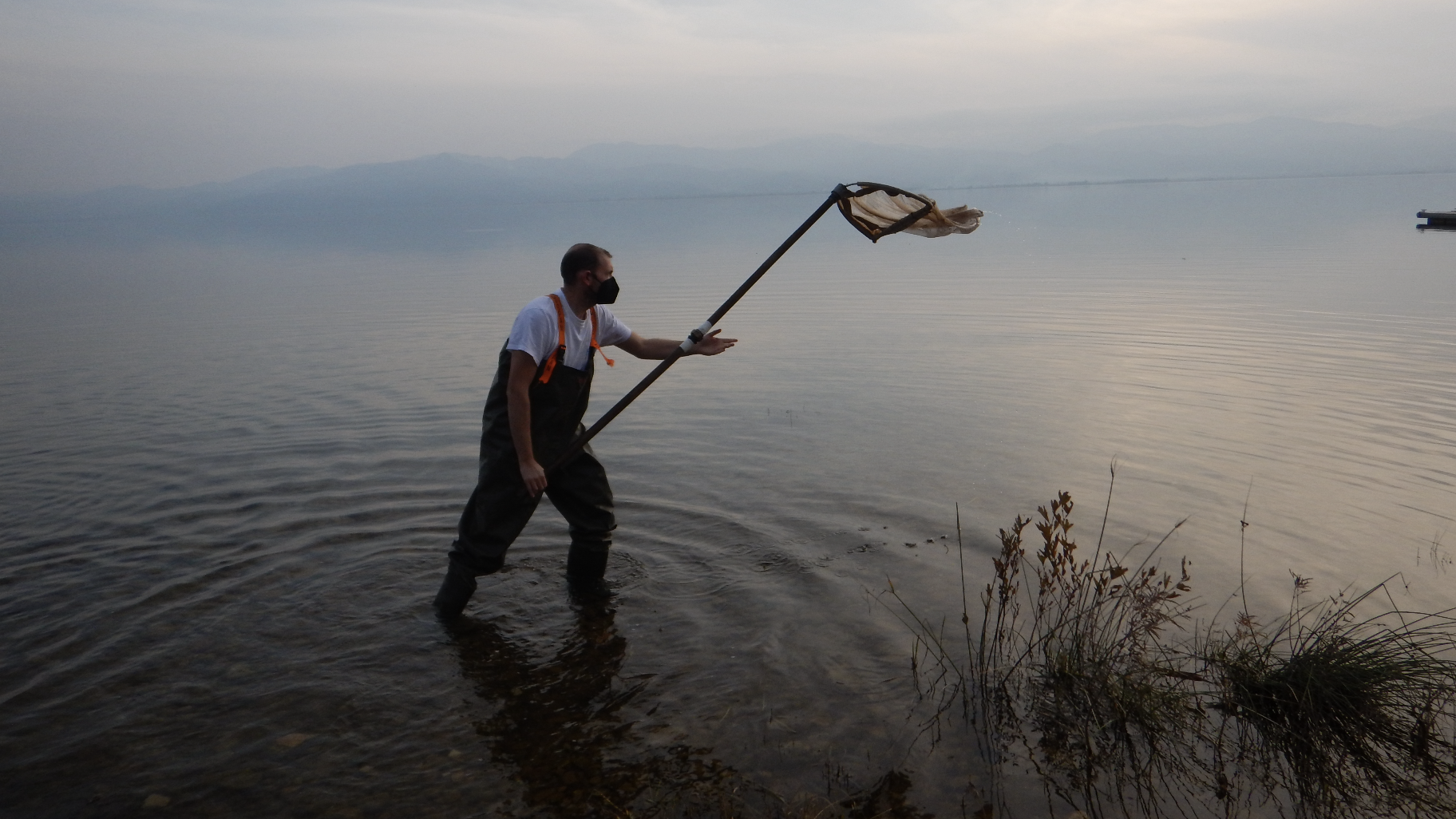
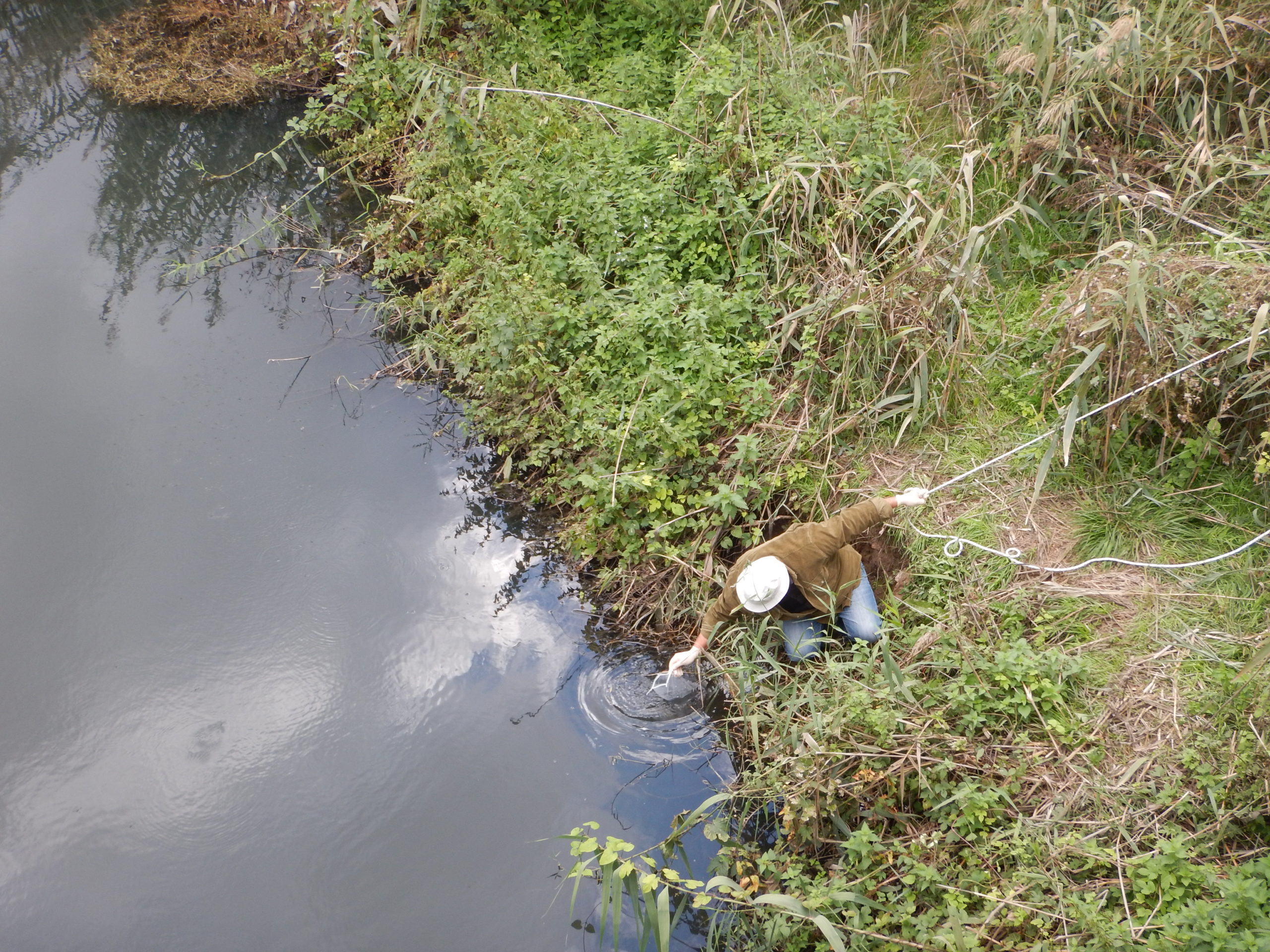
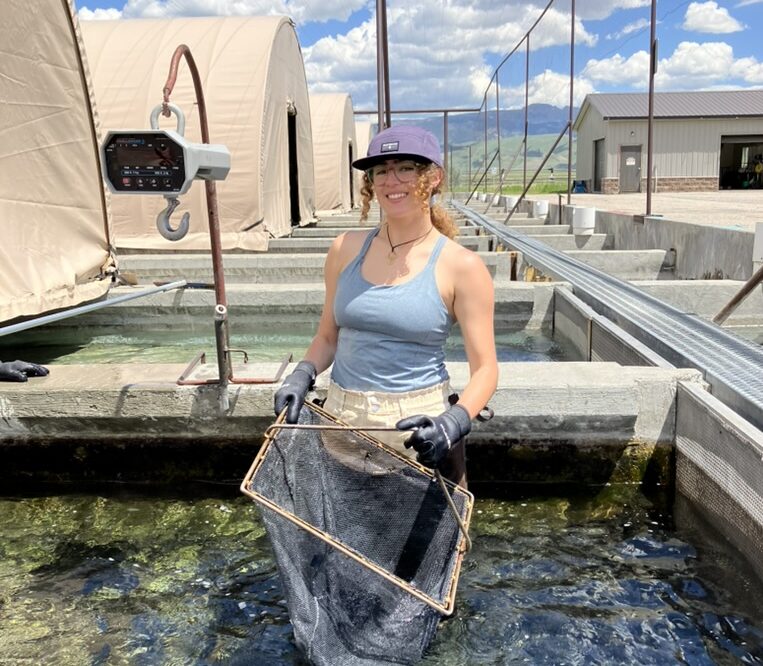
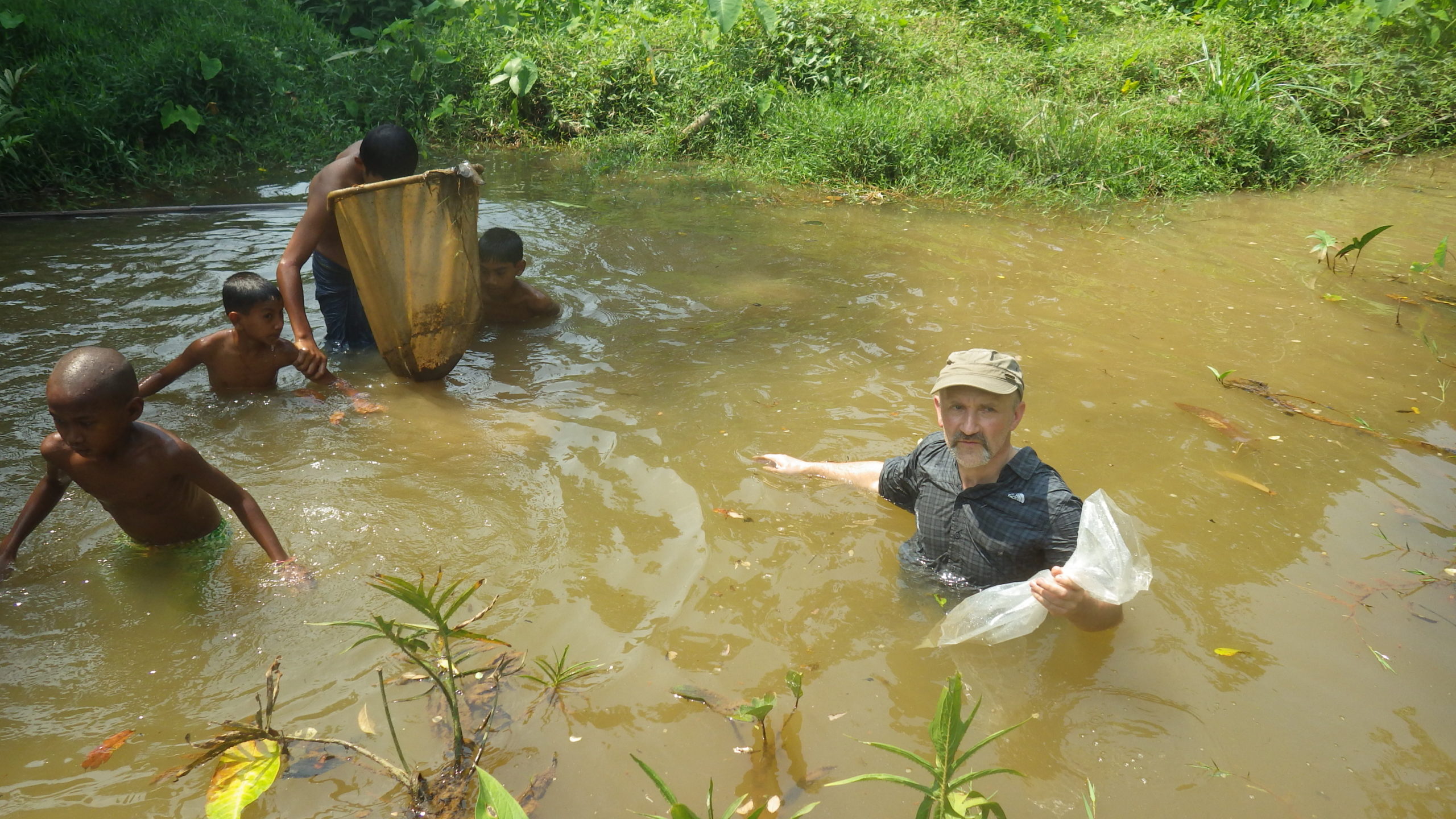
Ralf Britz collecting in Myanmar © Ralf Britz

Ralf Britz collecting in Myanmar © Eleanor Adamson

Dr. Ralf Britz is a leading ichthyologist and taxonomist, and Head of the Ichthyology Section at Senckenberg World of Biodiversity. He has been involved in a total of 73 species descriptions and has been a key team member in the discovery of seven species which needed the creation of new genera. He was also the lead author on two papers describing the Gollum snakehead Aenigmachanna gollum: a new species in a new genus in an entirely new family.

With Shoal’s release of a landmark New Species 2021 report tomorrow, we caught up with Ralf to get the low-down on what discovering and describing new species really means.

What does it mean to describe a species, and how is it done?

When you describe a new species scientifically this process is often referred to among the public as having identified a new species. The process starts with the impression that you have found a species that does not have a scientific name, i.e. it is unknown scientifically. You then need to compare your specimens of what you think may be a new species with specimens of similar species that already have a name.

As taxonomy is one of the oldest scientific biological disciplines, this can be quite a cumbersome process, because you have to deal with all the species descriptions since and including Linnaeus’ 10th edition of his Systema naturae, published in 1758 and the starting point of animal taxonomy. If you are lucky and the group you work on has only a few species, then it is easy to compare your material with already collected material of the other species. This usually involves comparison with what we call type specimens, the specimens used to describe species. One of these type specimens is chosen as the holotype, the actual name bearer, the one specimen that is permanently linked to that name. These are stored ideally in publicly accessible museum collections. If, after comparison, you find that the specimens of what you thought were a new species are identical to one of the already described ones, then that is the end of the story. But if you find consistent and significant differences to all the known species in the group you are studying then you have probably found a new species.

The next step is then to write up a scientific manuscript in which you detail how your new species differs from already described (named) species, and you propose a name for it. The name may refer to a characteristic feature of the new species, or the place where it was collected, or it may honour a person, such as the person who collected it, an influential colleague or someone who supported your work.

In most cases the new name concerns just the new species. But sometimes you find an organism that you cannot easily fit into a larger group of similar and closely related species, a group we call a genus. In this case you may need to create a new genus for this new species. Here, the same rules apply you need to check all genera (plural of genus) in the larger group of organisms (a group we call a family). If you find you cannot fit it into one of the known genera, you can describe a new genus.

Once you have written up your findings relating to a new species or new genus, you submit your manuscript to a scientific journal for peer review. This means the manuscript is sent to other experts in the field who read your manuscript and point out potential problems, errors, mistakes etc. They provide the quality check before a manuscript is accepted and then published. They may ask you to revise your manuscript, check sources you may have overlooked, ask for additional details, or if you have made some major mistakes, suggest to reject your manuscript. If you have done your job, though, it may need no or just minor revision and will then get accepted for publication. Once it is published by a scientific journal and you have made sure you followed all the necessary steps that are required by the Code of Zoological Nomenclature – a set of rules that determine what has to be done for a name to be published in a valid way – then the new species is officially described and carries the name you have chosen.

I want to briefly touch on a worrying aspect of species descriptions that has started to plague taxonomy: the unholy alliance between self-proclaimed taxonomists and journals that will publish anything of any quality if you pay for it, the so-called predatory journals. There is an increasing number of manuscripts getting published which did not go through the strict and necessary step of peer review. Publication of these poor-quality species descriptions is a problem, because you cannot just ignore them as in other areas of science where poor papers just disappear in the garbage dump of scientific publications. Even poor-quality papers that describe new species will need to be considered due to the specific rules of nomenclature that need to be applied. Showing that these manuscripts are poor quality, and that the so-called new species is actually not new often involves so much more work, effort, time and money from you than the person invested who wrote the poor-quality manuscript. I know of cases in which one person described more than 20 new species from a well-known area of the world, all in predatory journals and with not a single of these so called new species really being new. Imagine that for each of these 20 or so new species you need to demonstrate that the original paper describing them is of poor quality and that these are not new species. This means you waste precious time, in which you could have described 20 new species with the level of quality that is necessary and is guaranteed by a proper peer review. Such taxonomic vandalism, as it has been termed, hampers the discovery of new species in a time when diversity is disappearing at an alarming rate.

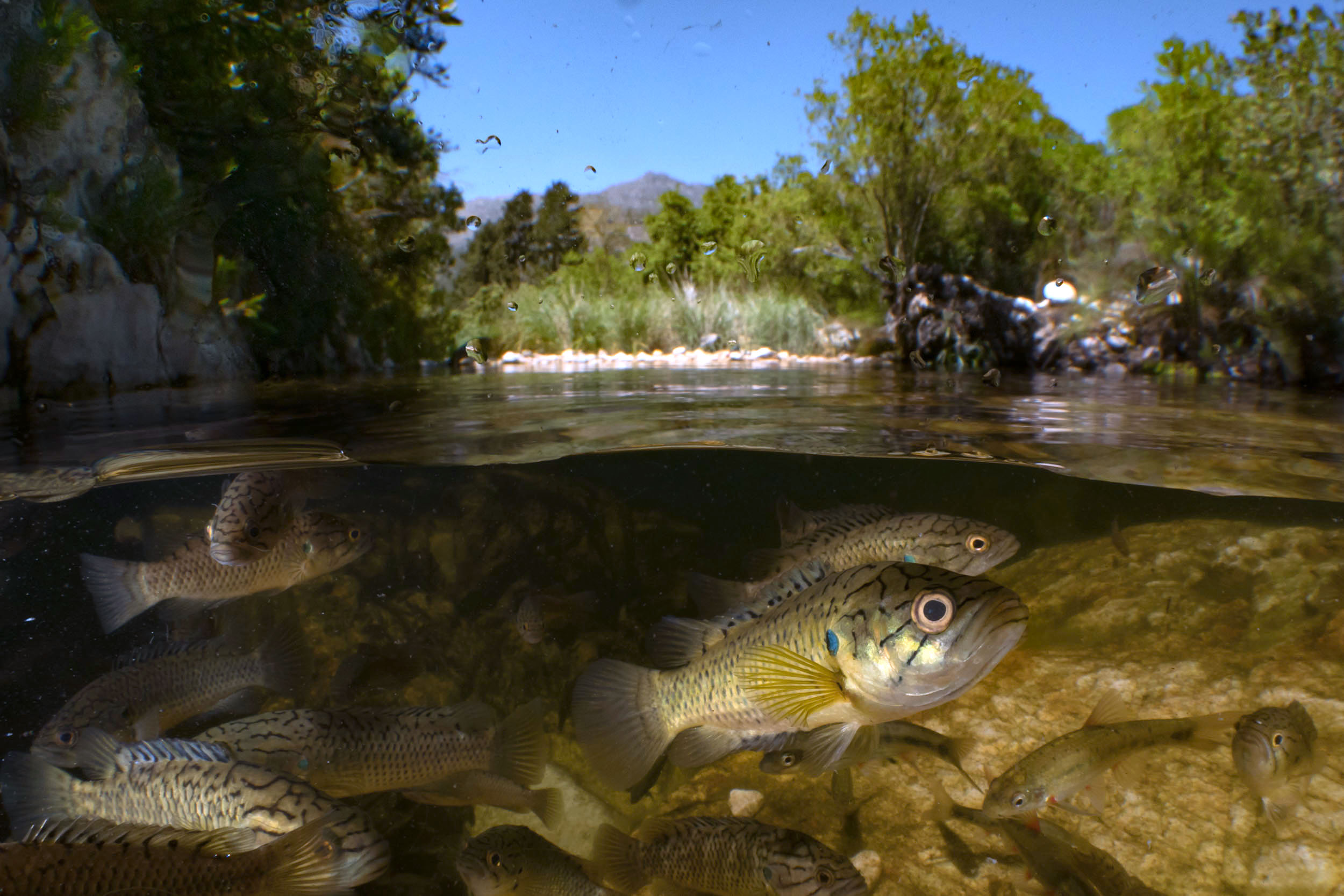
Cyanogaster noctivaga
Cyanogaster noctivaga © Ralf Britz

Are there any species descriptions you’ve been involved with that you found particularly memorable or noteworthy?

Oh yes, absolutely. I have a soft spot for the weird and wonderful. I was involved in the description of Paedocypris progenetica, the smallest fish and vertebrate species. Then Danionella dracula, an equally tiny relative of D. cerebrum. But D. dracula has impressive large fangs. Then there was a new species and genus of earthworm eel from Myanmar, which I named after my daughter, Pillaiabrachia siniae. And during night collecting in the Rio Negro in the Amazon basin we found a new brilliantly blue coloured little fish, the blue bellied night wanderer, as we named it, Cyanogaster noctivaga. But the most memorable is Aenigmachanna gollum. When I first saw a photo shared on social media and sent to me by my colleague Rajeev Raghavan from Kochi, my heart stopped, as I had no idea what kind of fish I was looking at. Well, it ended up in a genus and family of its own.
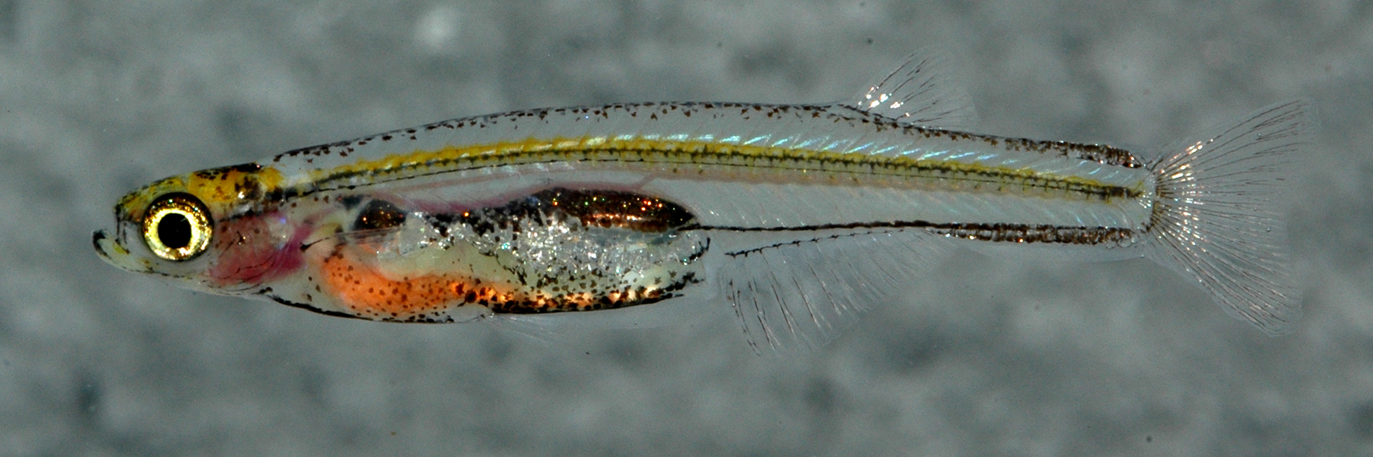
Danionella dracula female © Ralf Britz
Danionella dracula female © Erwin Schraml
Pillaiabrachia siniae © Ralf Britz

212 new freshwater fish species sounds like a lot in one year. What does this level of discovery tell us about the extent of what remains unknown in the planet’s freshwaters?

It sounds like a lot, but this has been the general trend of freshwater species discovery over the last few decades. There are still large parts of our planet that have not been explored and we keep discovering new animals that we had no idea existed. Finding a new species of an already established genus is exciting, but discovering entirely unknown lineages of higher taxonomic categories still today teaches us how much we do not know. And then keep in mind that only a tiny, tiny fraction of earth’s water volume, just around 0.03%, is freshwater in lakes and rivers and habitable for fishes. And yet, we have all this incredible diversity there. Mindboggling.

What is it about freshwater that leads to such incredible biodiversity?

I would say it is the more local situation and more diverse habitats that you get in freshwaters: you have river basins that are separated by land from other basins. There species evolve that are endemic to this river basin. Then you have ecological separations of river mouths from lowland parts of the rivers, separation of these from the more mountainous faster flowing parts of rivers and finally the rapidly flowing headwaters. This leads to endemism in different parts of the same river. These different parts of the same river will not only differ in the velocity of the water but also in the water temperature, amount of dissolved oxygen, pH, conductivity. Imagine that you have this basically in every major river.

Add this to the fact that through geological events over millions of years you have separations of parts of rivers and reunion of others, so there is a multitude of habitats changing over time and often very restricted endemisms.

All of these factors together act as species pumps that are obviously working much faster than in the oceans.
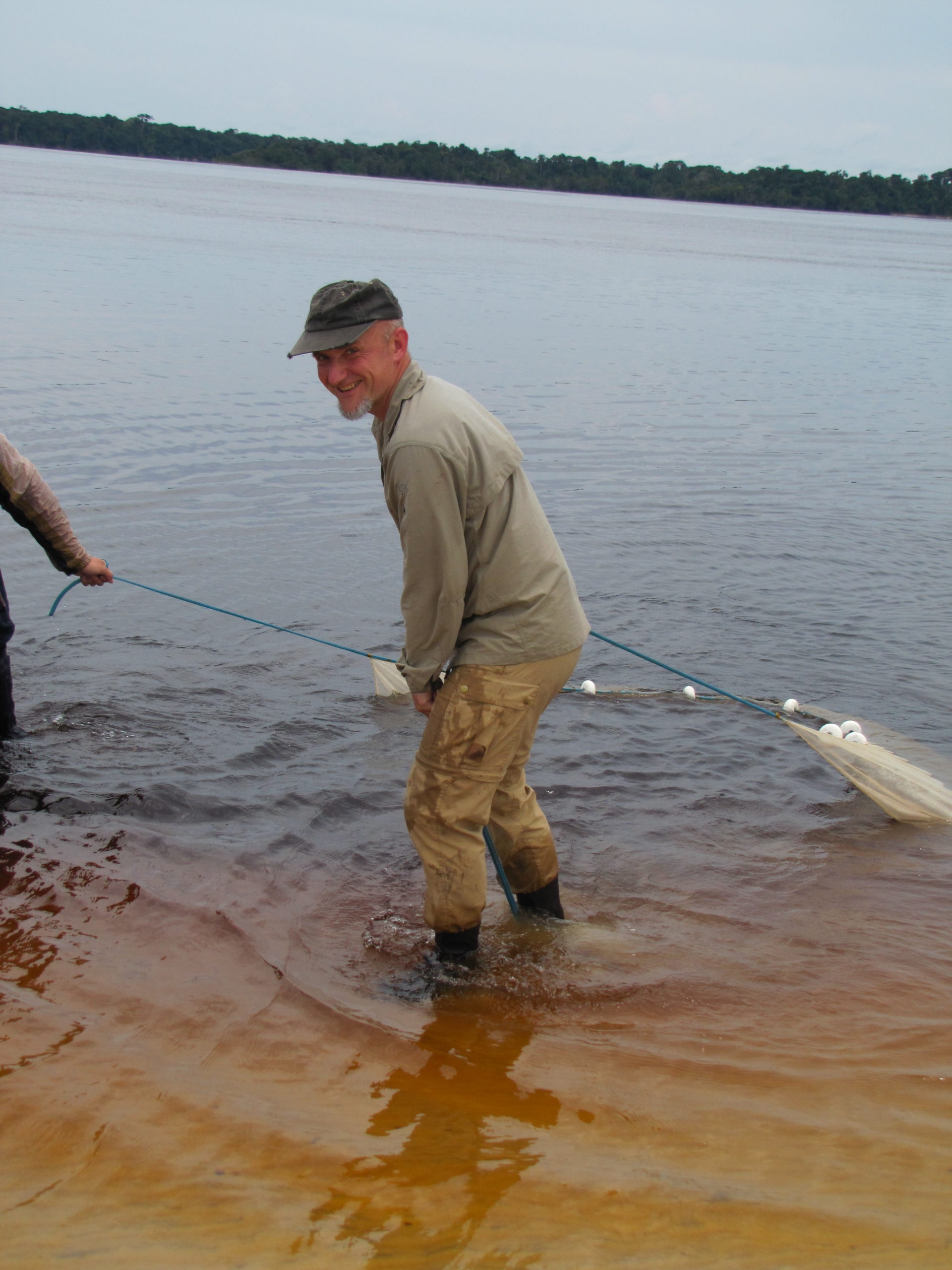
Ralf collecting in the Rio Negro © Ralf Britz
Ralf collecting in the Rio Negro © Manuela Marinho

Why is it important to discover and describe new species?

There are many different aspects to this question. One is this: if we consider the entire picture of lifeforms that evolution has produced on our planet, then we would miss many pieces of a complex puzzle if we stopped exploring. Think of the painting of Mona Lisa with hundreds of thousands of holes in it. You would not want to look at that.

Understanding diversity may also enable us to better understand how this diversity interacts. Something may seem insignificant but is sometimes of the greatest importance. Just think of invasive species, pests of crops, indicator species that help you evaluate the quality of a habitat and our environment. New species may become important in research: just think of the zebrafish discovered back in 1822 but also Danionella cerebrum only described last year. New species are pieces of the evolutionary puzzle we did not know existed and because of that we had no idea what they may have to offer.

Do you think it is important for people to care that new species are still being discovered and described? Why?

My experience is that people are generally excited when you tell them about new species discoveries. To imagine there is still so much out there that is unknown to us is a fascinating thought.

It is also more urgent than ever that we go out and discover, as the diversity is disappearing fast. Just think of the image of Mona Lisa with the hundreds of thousands of holes. Would

it not make you sad to know that these will never be filled as the species disappeared before we identified them?

What can we hope to learn from new species discoveries and descriptions?

The most important part we can learn is that there are so many fascinating organisms out there that we have not even discovered. Sometimes it is a new species that looks very much like one we already know, but often we discover a true gem, something unimaginable, unexpected, something we would have bet money does not exist. And these are special moments when you sit there quietly in awe of the evolutionary diversity our planet has produced.

Is there anything you would like to add?

Taxonomy, discovering, describing and understanding the evolutionary diversity that surrounds us to me is one of the most satisfying parts of my life. I would never trade it for anything else.

Danionella dracula scanning electron microscope image © Ralf Britz

Why freshwater fish need as much – or more – attention than rhinos

© Veronika Perkova

© Veronika Perkova

Why freshwater fish need as much – or more – attention than rhinos

Shoal executive director Mike Baltzer, conservation biologist and leader of the IUCN SSC Asian Species Action Partnership Nerissa Chao, and fish conservation expert Nathaniel Ng Shengrong appeared on Veronika Perkova’s Nature Solutionaries podcast to discuss fish conservation, and:

  • Why freshwater fish are important for the ecosystem
  • What happens when fish go extinct
  • Why fish are neglected and overlooked
  • How the ASAP Action Plan will help protect fish in Southeast Asia
  • How local communities, hobbyists and governments can help
  • Successful fish conservation initiatives

Head over to Veronika’s website here to listen to the podcast and check out some of Veronika’s fantastic wildlife art, or click the link below 👇

Dr Kaya and Dr Oral return to Batman

(c) Münevver Oral

(c) Münevver Oral

They were hoping to conduct research into the Batman River loach’s range and distribution, but fierce winter weather forced a rethink.

By Michael Edmondstone

In late December 2021, Dr Cüneyt Kaya and Dr Münevver Oral returned to the Batman – Diyarbakir region of Southeast Turkey. They were keen to conduct further research into the range and distribution of the Batman River loach, and wanted to get the work wrapped up before winter took hold. They arrived on December 18th to find snows had arrived unseasonally early. To add to the challenge, the streams were turbid and fast-flowing after heavy and relentless rain. They braved the icy waters for two days before accepting that finding the loach in these conditions was going to be practically impossible.

We caught up with them to learn more about the aims of this expedition, and what they ended up doing instead of the originally-planned field work.

What was the aim of the second expedition to the Han and Sarim streams?

The aim of the second expedition in Batman-Diyarbakir was to draw the range of the loach in both streams, and was mostly triggered by the info we received by local NGOs that there was a hydroelectric power plant (HEPP) due to be built in Sarim. Taking the weather conditions into account, we decided to carry out the expedition asap before the water level got higher due to the heavy rain and snow in the area.

What challenges did you face?

The biggest challenge was the extreme weather conditions: snow started as we were driving from Rize to Diyarbakir on the main motorway, and it kept snowing or raining heavily until the last three days in the area, regardless of what the weather forecast indicated previously.

The worst thing about winter expeditions is that the visibility [of the stream] is very low, due to turbidity, and the water level is high, thus the temperature is cold, which stimulates fish to find safe shelter for tough winter conditions. This is what happened in Diyarbakir and Batman last week.

Once again, we came to the conclusion that we were lucky when we first rediscovered the loach in Oct 2021: the water level was very low because of drought, as well as it being the end of summer. This may explain why previous researchers have failed to find the loach in the area.

We went through a few challenges: the car got stuck on a muddy road on the second day. Luckily, locals were very friendly and helpful and came with two tractors and saved us from the mud, as well as inviting us over to their houses for a hot cup of tea (free of charge, welcome to Turkish hospitality!).

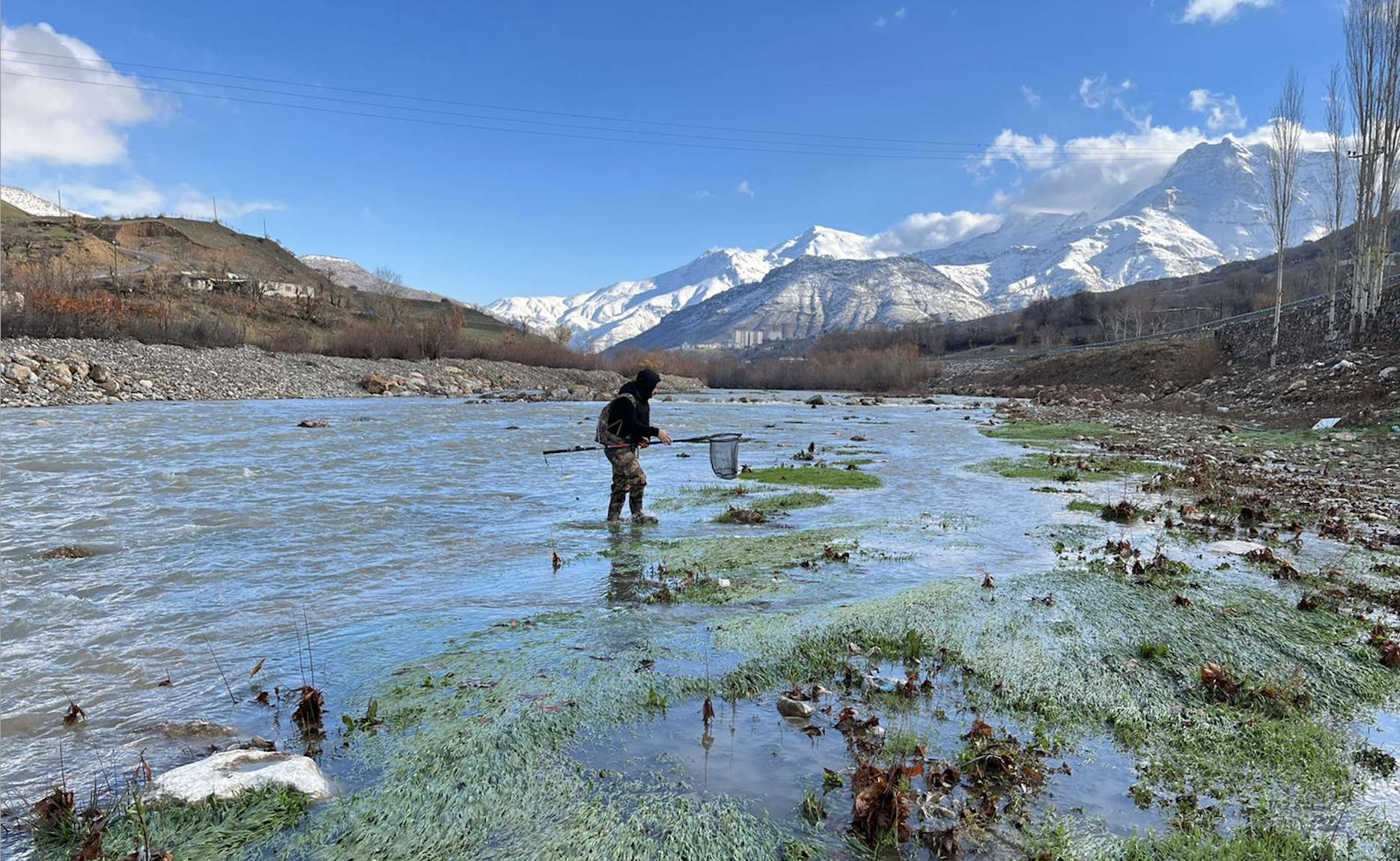
Dr Kaya fishing in the icy Sarim stream (c) Münevver Oral
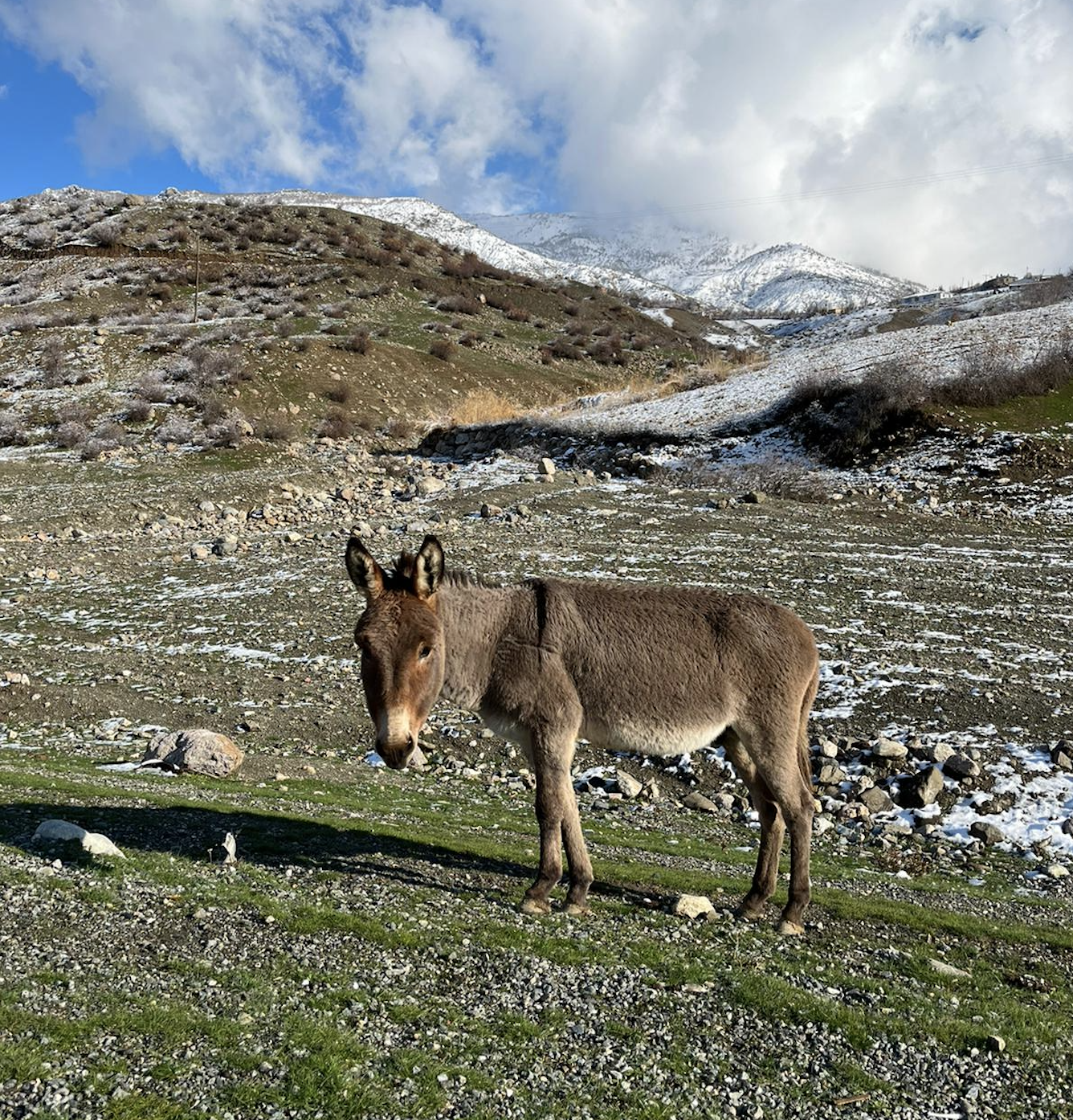
A local donkey (c) Münevver Oral

What activities did you do during the expedition instead of the distribution assessments you were planning to do?

At the beginning of the expedition, we did not consider meeting with the district governors, due to time limitations and the priority of the range assessment. But, due to the extreme weather conditions, we focused on awareness activities throughout the entire trip.

We first started our meetings with the local governors and mayors in Sason (Batman), Kulp (Diyarbakir) and Lice (Diyarbakir) in the mornings. These districts were chosen based on the population density at the upper parts of the Batman Dam (Sason 30k, Lice 25k, Kulp 35k). In each of these meetings, we requested the local director of national education to join us to discuss the benefits of our activities for students and teachers, as well as ensure full collaboration by high school administrators. We carried out several seminars in high schools during the afternoons, and one seminar with a local NGO called SarimDer during the evening. Although being a small community, SarimDER is highly motivated to protect the precious fauna and flora of the entire valley, thus we received high interest by this community.

The seminar took more than 3 hours, with questions and explanations, and by far the most productive discussion of the entire expedition. Particularly, there are two highly motivated people, Emin Turhalli (a true nature lover – he lives almost fully organic) and Ahmet Inan (a lawyer volunteering for an NGO to help prevent the HEPP being established. Both of them are willing to do whatever it takes to protect the Sarim valley.

We met with representatives of TEMA, one of Turkey’s biggest wildlife protection NGOs, during the evenings in both Batman and Diyarbakir. We are still in touch with their representatives on a local scale and will be publishing a leaflet in the area to increase awareness of the loach rediscovery and the threats to the Sarim and Han streams. Once this is out in the surrounding states, TEMA will publish on their social media channels, which should give us a third round of publicity nationally (fingers crossed!).

How were these activities received by the people who came to listen to you speak?

The local director of national education, high school students and teachers were our audience during the seminars, which were between 50-80 people, up to 150 at the maximum.

Students were very curious and keen to learn more about the loach, and seeing their villages via drone received huge attention! We showed them recent photos of plastic pollution in the stream and asked them to guess where it was. Some were from the area and guessed the answer easily. This little game triggered their interest on how these pollutants ended up in stream and some told us they will be more careful of how they treat the water in the future.

Plastic pollution in the upper Han stream. © Münevver Oral
Plastic pollution in the Han stream (c) Münevver Oral

Teachers asked for further readings and we sent our presentation to every school. At the end of the seminars, we made a deal with the students to spread the word about the loach and what they learned during the seminar . Given their interest, we hope that they will spread the word about the rediscovery and how to protect the ecosystem.

How do you think your awareness raising has changed people’s attitudes to the Batman River loach, and the local streams?

We framed our discussions based on the threats to the ecosystems in a much broader concept during the seminars, so we anticipate that young people will mostly change their attitudes towards illegal fishing, human-made pollution, HEPPs, and drought for the conservation of the ecosystems in long run.

Most of the young people didn’t know about ghost fishing. Through interactive talks with the students and NGOs, we anticipate that the seminars have changed their attitudes to the stream, the loach, and nature in general, in a much more responsible way.

Students listening during a seminar (c) Münevver Oral
Students and teachers of the Diyarbakır Lice high school listening during one of Dr Kaya and Dr Oral’s seminars. © Münevver Oral

What are your hopes on a local, national and international level for the Batman River loach?

Our rediscovery, the paper we will be writing, and the national and international news coverage should encourage local governors in Batman and Diyarbakir to protect the nature and ensure the sustainable use of the natural resources.

Unfortunately, there is no solid waste disposal plant in either of the districts that we carried out the expedition. Hazardous waste is currently hidden in locations decided by the local government, and the first step to protect both the soil and the water will be to built a specialist waste disposal plant in the area. HEPPs and dams constitute the major threats to the freshwater fish species, and we hope the construction of more dam and HEPPs in the area will be reassessed from an environmental point of view.

The biggest responsibility lies on the shoulders of the locals to protect their stream, valley and the nature accordingly. Throughout the expedition, we had a chance to visit Sarim valley and we were fascinated by the scenery of the landscape, where mountains were covered with snow and we could taste the best strawberries in our life, indicating the natural richness of the soil.

On the 14th December 2021, the minister of agriculture and forestry, Dr.Bekir Pakdemirli, announced plans for the protection of endangered species in Turkey. Taking this into consideration, we hope the Sarim and Sason valleys, including the Sarim and Han streams, will not face human-caused habitat degradation. This would ensure the Batman River loach’s continued existence in its very restricted habitat.

Internationally: our limited time in the area has indicated an enormous need for locals to be trained in the sustainable use of natural resources. This includes not only villagers and stakeholders but also local governors and officers. This is a perfect fit for an EU project. Cüneyt and I are keen to use the best available science and resources to protect the loach in its very limited habitat.

Last but not the least, we would like to thank everyone who made us feel home with their hospitality, namely:

Muhammed EVLICE (district governor of Lice, Diyarbakir)

Mustafa GÖZLET (district governor of Kulp, Diyarbakir)

Murat METE (district governor of Sason, Batman)

Naif KELES (local director of national education in Lice, Diyarbakir)

Fatih KAYA (local director of national education in Kulp, Diyarbakir)

Veysi BOZKURT (local director of national education in Sason, Batman)

Prof. Dr. Necmettin PİRİNÇÇİOĞLU (TEMA representative of Diyarbakir)

Mehmet Tahir ALTUĞ (TEMA representative of Batman)

Emin TURHALLI (The president of SarimDer association of cultural and natural heritage, NGO)

Ahmet İNAN (Diyarbakir Bar Association Lawyer)

Local people who saved us from the mud and local/national press

We caught up with Dr Kaya and Dr Oral after they returned from their December expedition to Batman – Diyarbakir.

FOUND! The Batman River loach

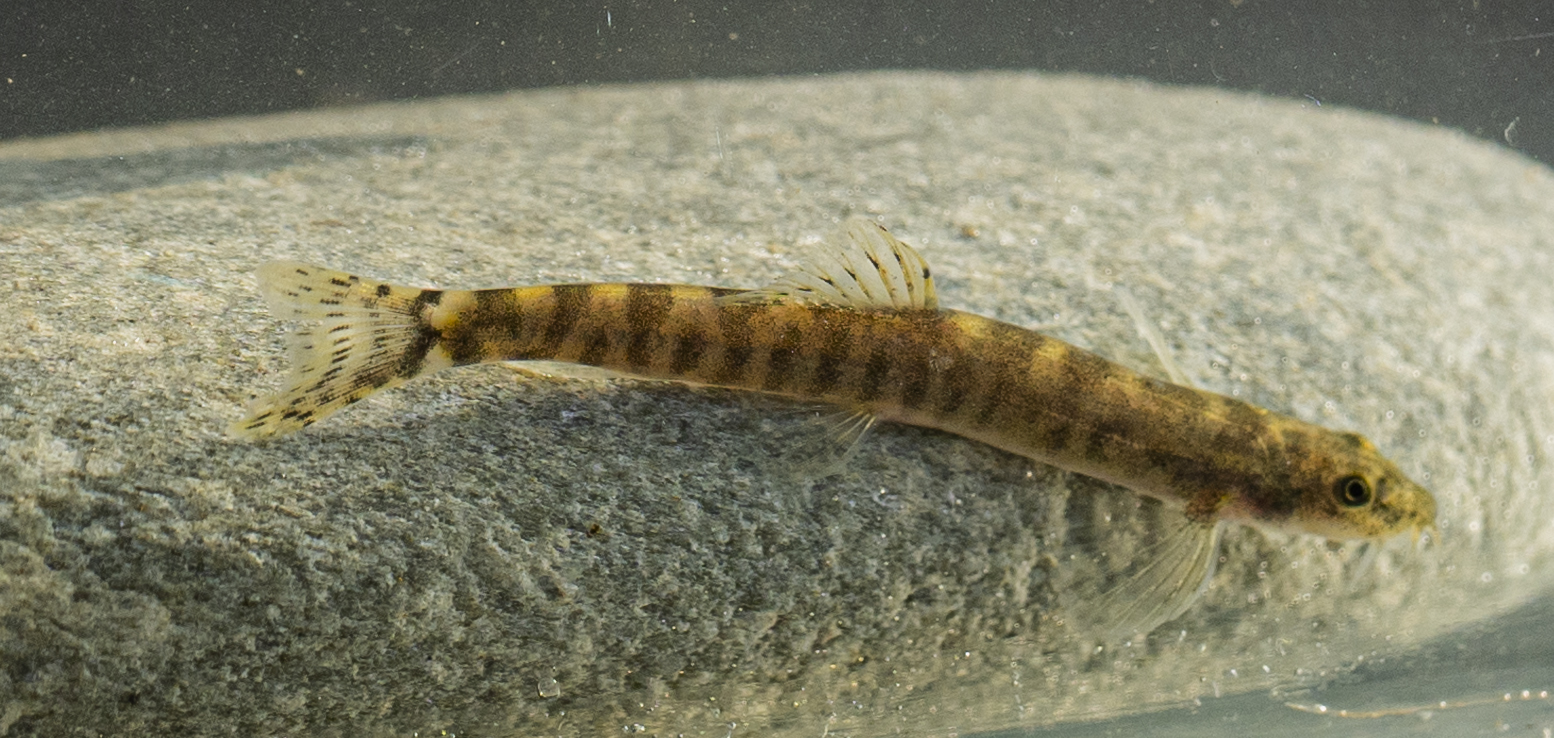
The Batman River loach (c) Rewild

The Batman River loach (c) Rewild

FOUND! The Batman River loach has been rediscovered after nearly 50 years

It is the first of Shoal’s Lost Fishes to be rediscovered.

A Turkish research team have rediscovered populations of the critically endangered Batman River loach in two streams in southeast Turkey, the first time the tiny fish has been seen since 1974, and the first species rediscovery from Shoal’s Search for the Lost Fishes programme.

“When I first heard about the Search for the Lost Fishes project, I was very happy,” said Cüynet Kaya, associate professor with Recep Tayyip Erdogan University. “Moreover, two of the 10 most wanted fish species were distributed in my country. It is a very different feeling when you see naturalists from foreign countries caring about an endemic species in your country and making efforts to save it. As a freshwater fish taxonomist, I thought that I should do my best for this project, and fortunately our efforts resulted in finding the first lost endemic and critically endangered Batman River loach.”

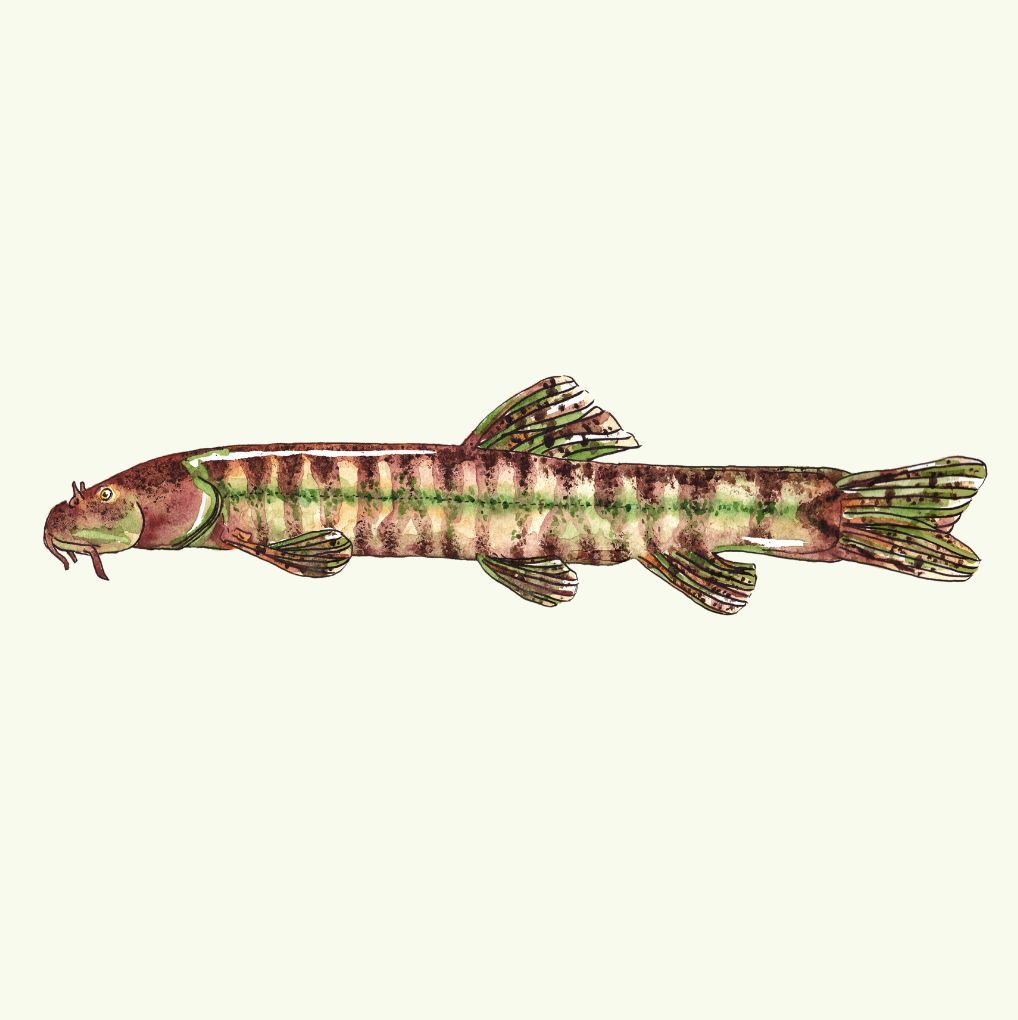
After learning about the Search for Lost Fishes, Kaya and Münevver Oral, a research fellow with Recep Tayyip Erdogan University, set out to search for the small yellow-and-brown striped fish, which is the smallest loach species in the Middle East, and smaller than any loach species found in Europe. The tiny critter, growing up to 1.4 inches (or 36 millimetres) long, was once distributed around streams and tributaries of the Batman River, which is thought to take its name not from the caped crusader, but from the nearby Bati Raman mountain.

Dr Cüneyt Kaya and Dr Münevver Oral

Expedition teams have searched the river underneath the historic Malabadi bridge and the lower parts of the Batman River, where the fish was first discovered, many times in the decades since the Batman River loach’s last sighting, without success. After analysing possible locations where the Batman River loach could survive, Kaya and Oral instead focused their search on the Sarim Stream, which is upstream of the Batman Dam. The team visited the stream and other headwaters of the Batman River, which are shallow, rocky and fast-flowing, the preferred habitat of the fish, in October and November.

“After finding the specimens, it seems that our lost fish has managed to survive despite the threats in the environment. It is now essential to conduct a detailed field study in the region in order to determine the species’ population density and distribution area. These data will play a key role in the correct determination of the conservation status of the species. We took the first step by finding this lost species – now is the time to act to protect it,” said Kaya.

Watch the film to learn more about the search. ©  Rewild. 

Kaya and Oral searched the streams using tight-weave nets that prevented the Batman River loach from slipping through. They found 14 fish in the Sarim Stream and another nine in the Han Stream.

Kaya and Oral said the population of the loach seems steady, but they are concerned about the effects of pollution, drought, and invasive species, and stressed that further study is needed to get a clearer understanding of the species’ total distribution.

“When we launched the Search for the Lost Fishes, we hoped that we would have the opportunity to celebrate days like this,” said Mike Baltzer, Shoal’s executive director. “There are so many lost and threatened fish and we are so happy that this little loach has been found, and hopefully we can now secure its future. This is the first species of Lost Fishes that has been rediscovered – hopefully the first of many”.

Populations of the Batman River loach nosedived after the construction of the Batman Dam in Turkey between 1986 and 1999, leading some scientists to fear it may have become extinct. Construction of the Batman Dam may have caused populations of the species to fall and, when Kaya and Oral sampled areas downstream of the dam, where the species was recorded in 1974, they were unable to find any individuals. The species’ habitat is now fragmented due to the dam, and the fish can no longer move downstream.

Kaya said: “It is obvious that the establishment of the dam caused shifts in biodiversity due to degradation of the lower part of the habitat needed by the species. I can say this because the species’ preferred habitat is shallow streams, with medium or fast flowing stones or gravel”.

Dr Kaya and Dr Oral in the field
Dr Cüneyt Kaya and Dr Münevver Oral in the field © Rewild

Kaya believes the other threats facing the species are likely to be pollution, drought, and invasive species. “As far as I know, there is no industrial pollution above the points where we identified the species. We must ensure that it does not happen in the future. However, anthropogenic pollution is intense in the region and local people are not conscious. It would be a good solution to raise awareness in the region with the help of NGOs”.

Jörg Freyhof, Europe’s leading ichthyologist and expert on these fishes, and who is working on the paper with Kaya, said: “We have searched for this fish for many years. It is obviously very rare, as it has not been found in the original locations that it was previously recorded. We even doubted that it existed. Cüneyt made massive efforts to finally confirm its existence. Its finding is a sign of hope, that this species has survived despite everything that has been done to kill the river”.

Shoal would love to see a local education programme to help inform people about how pollution can harm endemic fish species, along with collaboration with local government and businesses to encourage better care for the ecosystem. “It’s important to protect and manage all the remaining individuals and populations,” said Baltzer.

Several specimens before they were returned to the stream © Rewild

Freshwater biodiversity research and conservation lag far behind the efforts carried out in terrestrial and marine environments

Screenshot-2021-12-01-at-15.57.22
In a new publication in Ecology Letters, they propose a research agenda with 15 priorities aimed at improving research on biodiversity in lakes, rivers, ponds and wetlands. This is urgently needed, as biodiversity loss is taking place much faster in inland waters than on land or in the oceans.

Freshwater biodiversity research and conservation lag far behind terrestrial and marine efforts, according to researchers from 88 scientific institutions around the world.

An agenda for prioritising research and conservation into freshwater biodiversity has been written up by 95 researchers from 38 countries. Professor Sonja Jähnig of the Leibniz Institute of Freshwater Ecology and Inland Fisheries (IGB) and Humboldt University in Berlin, who is spearheading the agenda, said: “Biodiversity loss in freshwater is a global crisis that is literally hidden beneath the water’s surface”.

Freshwater biodiversity encompasses the genes, populations, species, communities, and ecosystems of all inland waters. It provides essential services that are vital to human well-being. Despite its importance, Ms Jähnig says: “At present, freshwater biodiversity is declining at an unprecedented rate. The data bear this out very clearly”.

Freshwater animal populations have declined by more than 80%

The latest Living Planet Report documents an average decline in populations of 84% – in only the last 50 years – for 3,741 populations studied, representing 944 freshwater vertebrate species. This is the steepest decline in the three major realms of land, oceans and freshwater. “Despite the ongoing, unprecedented decline, international and intergovernmental science-policy platforms, funding agencies and major non-profit initiatives still fail to give freshwater biodiversity the priority it deserves,” said Dr. Alain Maasri, also at the IGB, who is a lead author on the study.

Inland waters significantly underrepresented in environmental funding

A recent report (Moralis, D. 2021. Environmental funding by European foundations, volume 5 ed. Centre, EF. European Foundation Centre) on environmental funding by 127 European foundations shows that inland waters accounted for only 1.75% of the €745million approved for environmental work in 2018, and that freshwaters ranked second-last among the 13 thematic categories used to assess funding distribution. Often, inland waters are subsumed within terrestrial habitats, and then not adequately addressed in funding plans.

New agenda aims to advance biodiversity research and environmental policy

Ms Jähnig said: “The agenda is intended to provide the impetus for a stronger global commitment to research and conservation of freshwater biodiversity; however, concrete actions must always be developed at local, regional and national levels”.

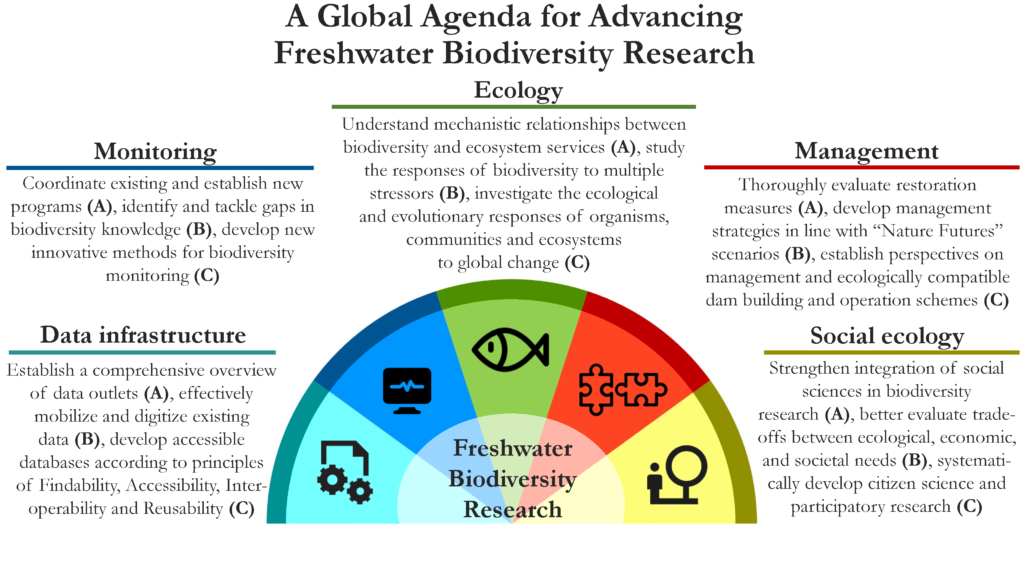
The authors of the Agenda identified 15 priority needs and grouped these into five major areas: data infrastructure, monitoring, ecology, management, and social ecology, against which international freshwater biodiversity research should be developed in a targeted manner. The authors also identified three major challenges – knowledge gaps, miscommunication, and inadequate policies – that need to be overcome.

Close knowledge gaps, communicate better and show political courage

Alain Maasri said: “It‘s not about pointing fingers at policy makers or other stakeholders. It is up to all of us – including us researchers – to set priorities and work better together”.

There are major gaps in knowledge and there is unequal access to information, for example about the interactions between organisms and the environment. Monitoring could also be improved with the help of automated image and video analysis, artificial intelligence, remote sensing technologies and the engagement of citizen scientists. Other disciplines and non-freshwater specialists should also be involved.

Communication difficulties exist in coordinating existing monitoring programs, in linking them across sites, and in mobilising and making existing data available. These must be accompanied by digitization of data from regional and national monitoring agencies, museum collections and research institutions.

The authors hope for more political support in the case of conflicting goals between ecological, economic and social interests through the involvement of local communities and experts. This also implies the inclusion of traditional and indigenous ecological knowledge.

In summary, Ms Jähnig said: “Above all, lakes, rivers, ponds and wetlands should be explicitly recognised as important habitats and ecosystems in their own right by policymakers and funding organisations, and in management and restoration programs”.

On the genesis of the international agenda:

The Agenda was initiated during an international workshop of the Alliance for Freshwater Life in Berlin in November 2018. The Agenda reflects the collective opinion of the authors and is based on intense discussions and the exchange of knowledge and ideas since the workshop. The authors are researchers from 38 countries, of which 18 (47%) are considered countries of the Global South. Of the 96 authors, 28 (29%) are affiliated with universities and research institutes in countries of the Global South, and 16 (17%) indicate that they are currently working with indigenous peoples on the management and conservation of freshwater biodiversity. The authors are therefore convinced that the proposed agenda, with its 15 priorities, reflects a representative diversity of opinion.

The 15 priorities:

Data infrastructure – 1. Establish a comprehensive overview of data, 2. Effectively mobilize and digitize existing data, 3. Develop accessible databases according to the principles of discoverability, accessibility, interoperability and reusability (FAIR data principles).

Monitoring – 4. Coordinate existing monitoring programs and establish new ones, 5. Identify and address biodiversity knowledge gaps, 6. Develop innovative methods for biodiversity monitoring.

Ecology – 7. Understand mechanistic relationships between biodiversity and ecosystem services, 8. Examineng biodiversity responses to various stressors, 9. Examine ecological and evolutionary responses of organisms, communities and ecosystems to global change.

Management – 10. Evaluation of restoration activities, 11. Development of management strategies consistent with Nature Futures scenarios, 12. Development of landscape perspectives for management and ecologically sound dam construction and operation concepts.

Social ecology – 13. Incorporate social science into biodiversity research, 14. Development of methods for assessing trade-offs among ecological, economic and social needs, 15. Systematic development of citizen science and participatory research.

Read the paper

A-global-agenda-for-advancing-freshwater-biodiversity-research


Maasri, A., Jähnig, S.C., Adamescu, M.C., Adrian, R., Baigun, C., Baird, D.J., et al. (2021). A global agenda for advancing freshwater biodiversity research. In: Ecology Letters, 00, 1–9. DOI: https://doi.org/10.1111/ele.13931. (Licence: CC-BY-NC 4.0).

Study monitors native and alien freshwater fish in Greece

Sampling for Economidichthys trichonis

Sampling for Economidichthys trichonis

A collaborative project between the Hellenic Centre for Marine Research (HCMR, Dr Eleni Kalogianni), the Bristol Zoological Society (BZS, Brian Zimmerman) and the University of the West of England (UWE, Dr Mark Steer), has recently been collecting data in freshwater systems in Greece, with the aim of wide-range monitoring of native and alien freshwater fish in the country. The project, funded by the A. G. Leventis Foundation, is called Project AFRESH, and covers most of mainland Greece.

We caught up with BZS’s Brian Zimmerman to learn more.

What is the project you’re currently working on with the Hellenic Centre for Marine Research?

Project AFRESH has five main aims:

1. To provide data on the current country-wide status of selected threatened freshwater species in Greece, along with data on the top two alien invasive species, using both conventional fish sampling and eDNA methods.

2. To create a breeding habitat to act as a refugia in the wild for the Critically Endangered Corfu Valencia, Valencia letourneuxI, as well as back up aquaria stocks of two other threatened species.

3. To further disentangle native / alien species interactions – in particular the impacts caused by direct aggression and other stressors – through a detailed behavioural and quantitative study.

4. To provide a Europe-wide project dissemination and knowledge-sharing through the organisation of workshops and the participation in conferences.

5. To reach a wider audience of conservation practitioners working in freshwater habitats in Europe and beyond, via a project website that charts the project’s accomplishments and activities.

Stunned fish caught by electrofishing prior to their re-release in the river
Stunned fish caught by electrofishing prior to their re-release in the river © Hellenic Centre for Marine Research

Project AFRESH is the latest in a series of projects in Greece that started in 2005. Tell us a bit more about these projects.

They have included:

FISH NET: GREECE – The aim was to conserve the Corfu killifish by stabilising the remaining populations of the Critically Endangered Greek killifishes (the sister species Valencia letourneuxi and Valencia robertae), preventing their extinction in the wild. This was achieved by using monitoring, captive breeding, research, trial translocation and awareness-raising.

RESILIENT – A population assessment of the Corfu killifish and other Greek endemic freshwater species was done using established and innovative methods which aimed to assess the current population status of the two Greek killifishes. This project used both conventional fish monitoring methods and eDNA methods.

PACIM – A population assessment of two Critically Endangered Greek fish species, and range assessments of the highly invasive Eastern mosquitofish and Topmouth gudgeon, which aimed to conduct population surveys for four extremely range-restricted and Critically Endangered species in Greece, again using conventional methods and eDNA sampling. An assessment of the expansion range of two extremely invasive alien freshwater fish species at selected Greek basins also used eDNA methods.

Which species is the project aiming to conserve?

Through nationwide monitoring, Project AFRESH targets six threatened, range restricted, Greek endemics (Telestes beoticus, Knipowitschia thessala, Salmo peristericus, Phoxinus strymonicus, Alburnus vistonicus and Alburnus macedonicus).

It also targets the Critically Endangered Valencia letourneuxi and, through the creation and breeding of safety stocks, Pungitius hellenicus and potentially Salaria economidisi and Economidichthys trichonis. The freshwater fish fauna of Greece is of particular importance as a national and global heritage, especially due to its diversity and high degree of endemicity, mainly as a result of the complex geological and climatic history of the Balkan Peninsula (Barbieri et al, 2015).

Collecting Water samples for eDNA analysis
Collecting Water samples for eDNA analysis © Hellenic Centre for Marine Research

What threats do these species currently face?

These species are threatened from anthropogenic changes to the hydrological and hydromorphological conditions of their habitats, caused by water abstraction, habitat loss and degradation through mainly agricultural pollution, disruption of river connectivity and – importantly – alien invasive species.

What role do you think eDNA methods have in freshwater species conservation?

There is a growing amount of literature showing that the eDNA method is becoming increasingly common, and that it offers substantial potential as a non-invasive method associated with highly repeatable and reliable results.

It offers a low impact, speedy sampling method that has the potential to identify ecosystem level changes early. Proper training is needed to prevent contamination of samples, and at the moment we are testing whether “false negatives” can be corrected, but it is showing real promise as a way to conduct presence/absence surveys for freshwater fish, in particular for those species that are cryptic and not easy to find with traditional sampling methods.

REFERENCES

Barbieri, R., Zogaris, S., Kalogianni, E., Stoumboudi, M. T., Chatzinikolaou, Y., Giakoumi, S., … & Economou, A. N. (2015). Freshwater fishes and lampreys of Greece: An annotated checklist.

Bristol Zoological Society Logo hcmr logo AFRESH logo

OASE become Shoal’s first corporate partner

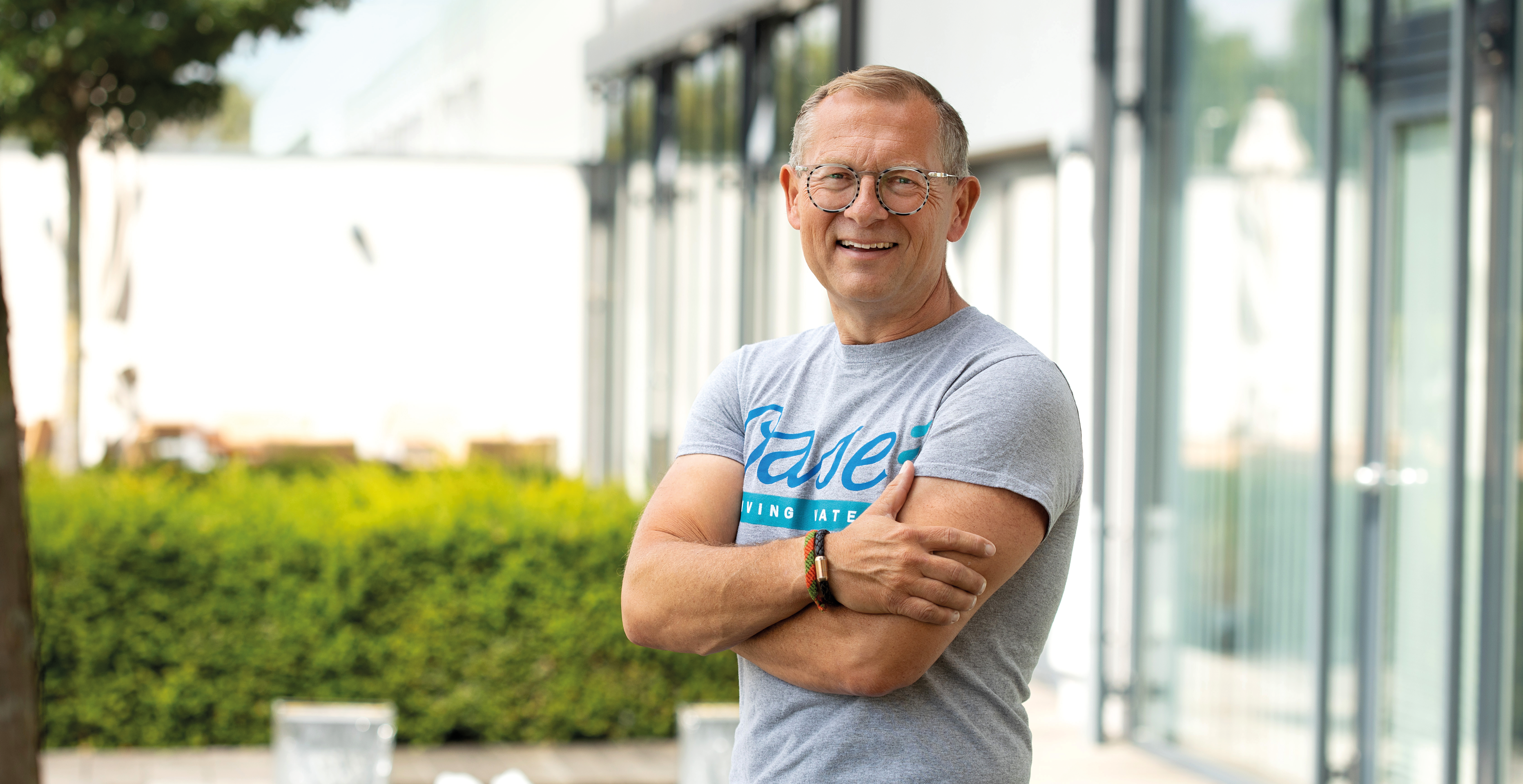
Thorsten Muck - OASE CEO

Thorsten Muck - OASE CEO

Announcing Shoal’s first corporate partnership: OASE lead the way

Shoal is excited to announce OASE as our first significant corporate partner. OASE – one of the world’s premier indoor aquatics suppliers – have shown leadership and a real commitment to freshwater species conservation through partnering with us, and have established a precedent for how corporations can help stem the tide of freshwater extinctions.

Over the coming months, OASE’s support will broadly target Shoal’s work across five continents and in 15 countries. More specifically, it will contribute to the search for Colombia’s fat catfish, one of the Top 10 Most Wanted species in our Search for the Lost Fishes programme. An expedition team will head out to Lake Tota, northeast of Bogota, in December to start the search.

Mike Baltzer, Shoal’s executive director, said: “This is an exciting, watershed moment for freshwater species conservation. OASE is a leader and innovator in the aquarium hobby, and by partnering with Shoal, they have shown their commitment to face the challenge with us to finally tackle the freshwater species crisis so neglected and overlooked until now. We hope they will be first of many and will help create a tsunami of global support across the hobby”.

We caught up with their OASE’s CEO, Thorsten Muck, to learn more about what this partnership means to them.

Why do you see Shoal as a natural fit for a partnership with OASE?

At OASE in everything we do, we make maximum environmental responsibility and sustainability a priority.

Our products are adapted perfectly to the biology of the water, run especially energy efficiently and are manufactured in the most environmentally friendly way possible.

For example, our aquariums can be individually adapted to the natural habitats of their residents.

That’s why we’re pleased to now be an official partner of Shoal.

We believe in the importance of accelerating and intensifying action to save the most threatened fish and other freshwater species.

What do you hope OASE and SHOAL will achieve together?

Every fish species that doesn’t go extinct and every species rediscovered is a win.

We hope to assist Shoal in the best way possible with species conservation. Not only financially, but especially by drawing attention to this important mission.

OASE is sponsoring Shoal’s first Search for the Lost Fishes expedition, to search for the mysterious fat catfish in Colombia’s Lake Tota. Can you say a little about your hopes for this expedition?

Of course, we hope that the expedition will be successful and that the mysterious catfish will be found.

OASE is very proud to be able to help this exciting work to look for a remarkable fish that hasn’t been seen since the 50’s.

We hope it’s found so that the populations can be boosted and the species can be given a second chance at survival.

But above all, we hope that the expedition and the accompanying communication will bring more attention to species conservation.

OASE are a market leader in indoor aquatics, and, by partnering with SHOAL, have become a pioneer in corporate conservation of the most threatened freshwater species. As the biodiversity crisis becomes more acute globally, how do you picture corporations rising to the challenge of helping with the solutions?

As one of the world’s most successful suppliers in indoor aquatics, we feel it is OASE’s duty to support organisations like Shoal.

Shoal unites many strategic partners who fight together for the protection of species.

We believe that this kind of cooperation has a great chance of success in species conservation and therefore find Shoal particularly worthy of support.

What message do you have to other corporations thinking of getting involved in conservation?

Do it! As a company, we have a duty to make a social and ecological commitment.

Of course, we should be careful not to engage in greenwashing. Sustainability and species protection is too important not to take it seriously.

We would like to take this opportunity to thank OASE for their support, and to commend them in showing conservation leadership across the aquarium hobby sector. We are looking forward to achieving great things together for the future of the planet’s freshwater species.

Lost Fishes Art Challenge winners announcement

Lost Fishes A

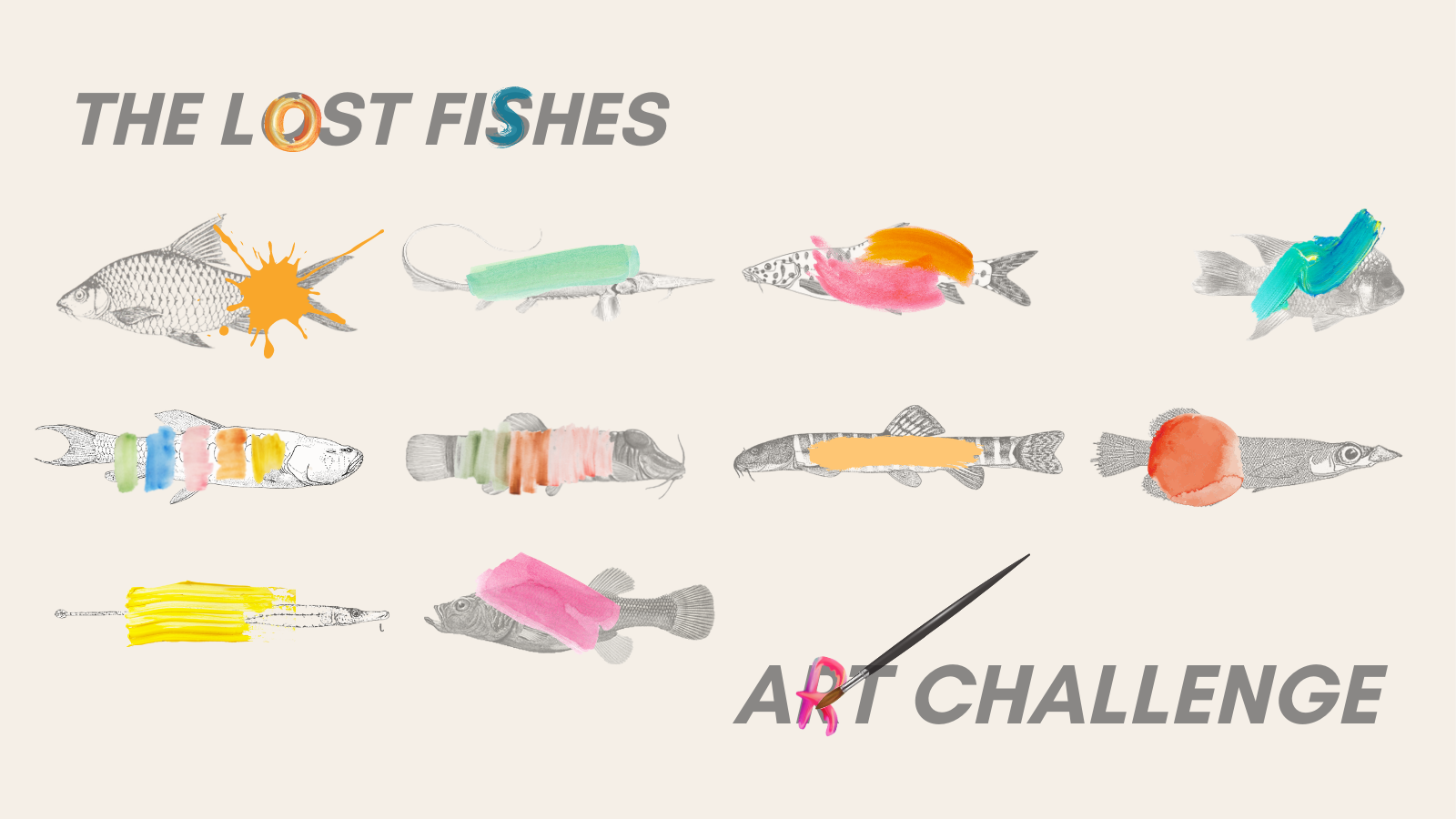
Lost Fishes Art Challenge

We are excited to say that our judges Jeremy Wade, Dr Eleanor Adamson, and Ivan Mikolji have announced the winners of the inaugural Lost Fishes Art Challenge.

Judging was incredibly difficult. Not only were the entries such a high standard, the judging criteria was intentionally kept broad, meaning decisions ultimately came down to personal preference. This can be reflected by the fact that there were wildly different rankings between the judges for many of the species.

Each of the following entries were ranked highest overall from the judges’ combined scores, from shortlists of between 10 – 14 for each category.

Below the gallery, take a look at the video of the live panel discussion, where Jeremy, Eleanor and Ivan announced each of the winners, and discussed some of the other entries that caught their attention.

Annamite barb - Chrysteena GarciaAnnamite barb – Chrysteena Garcia
Diyarbakir (Batman River) loach - Aby Helme

Diyarbakir (Batman River) loach – Aby Helme

Duck-billed buntingi - Chrysteena Garcia

Duck-billed buntingi – Chrysteena Garcia

Fat catfish - Joanna Bowley

Duck-billed buntingi – Chrysteena Garcia

Haditha cavefish - Camilo Julián

Haditha cavefish – Camilo Julián

Itasy cichlid - Mitch Smith

Itasy cichlid – Mitch Smith

Mesopotamian barbel - Jennifer Clausen

Leopard barbel – Jennifer Clausen

Spinach pipefish - Brianna Jorgenson

Spinach pipefish – Brianna Jorgenson

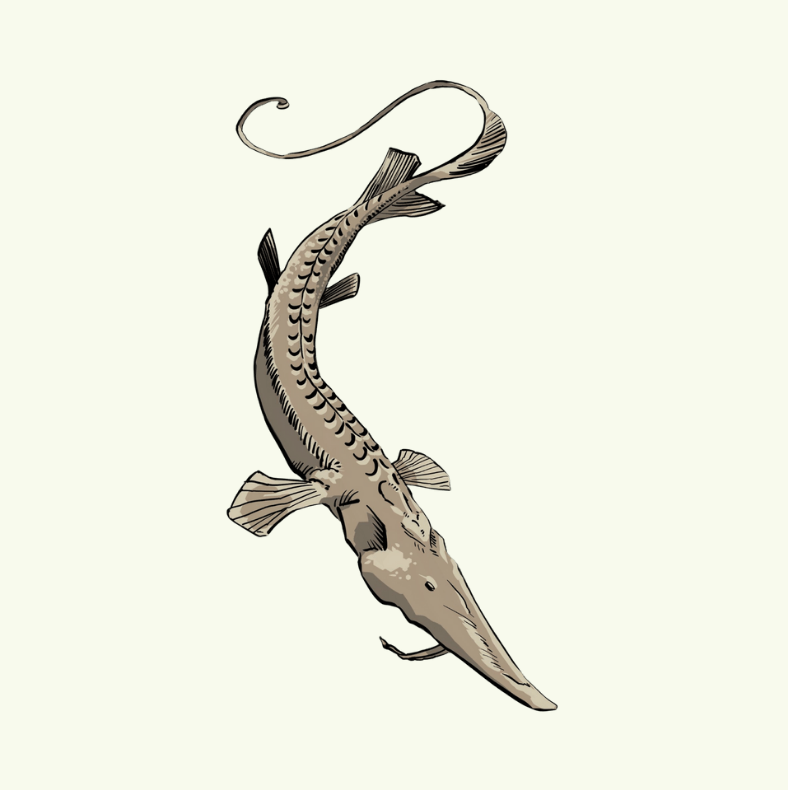
Syr Darya shovelnose sturgeon - Sam Julian

Syr Darya shovelnose sturgeon – Sam Julian

Titicaca orestias - Tracy Sachs Kuhlman

Titicaca orestias – Tracy Sachs Kuhlman

YOUTH category - Lila Swartz, aged 13

YOUTH category – Lila Swartz, aged 13

Overall Winner - Cathy Outlet

OVERALL – Cathy Outlet

Lee Vincent - Portfolio

PORTFOLIO – Lee Vincent

Winners announcement with Jeremy Wade, Dr Eleanor Adamson, and Ivan Mikolji

Mid-year report 2021 published

mid-year report 2021

mid-year report 2021

Our mid-year report has been published, showcasing some of the work we have achieved throughout the first six months of the year. It also looks ahead to some of the projects we have been and will continue to be working on during the second half of 2021.

Click on the image below to read the report.

SHOAL mid-year report 2021

It’s time to stop trash-talking fish

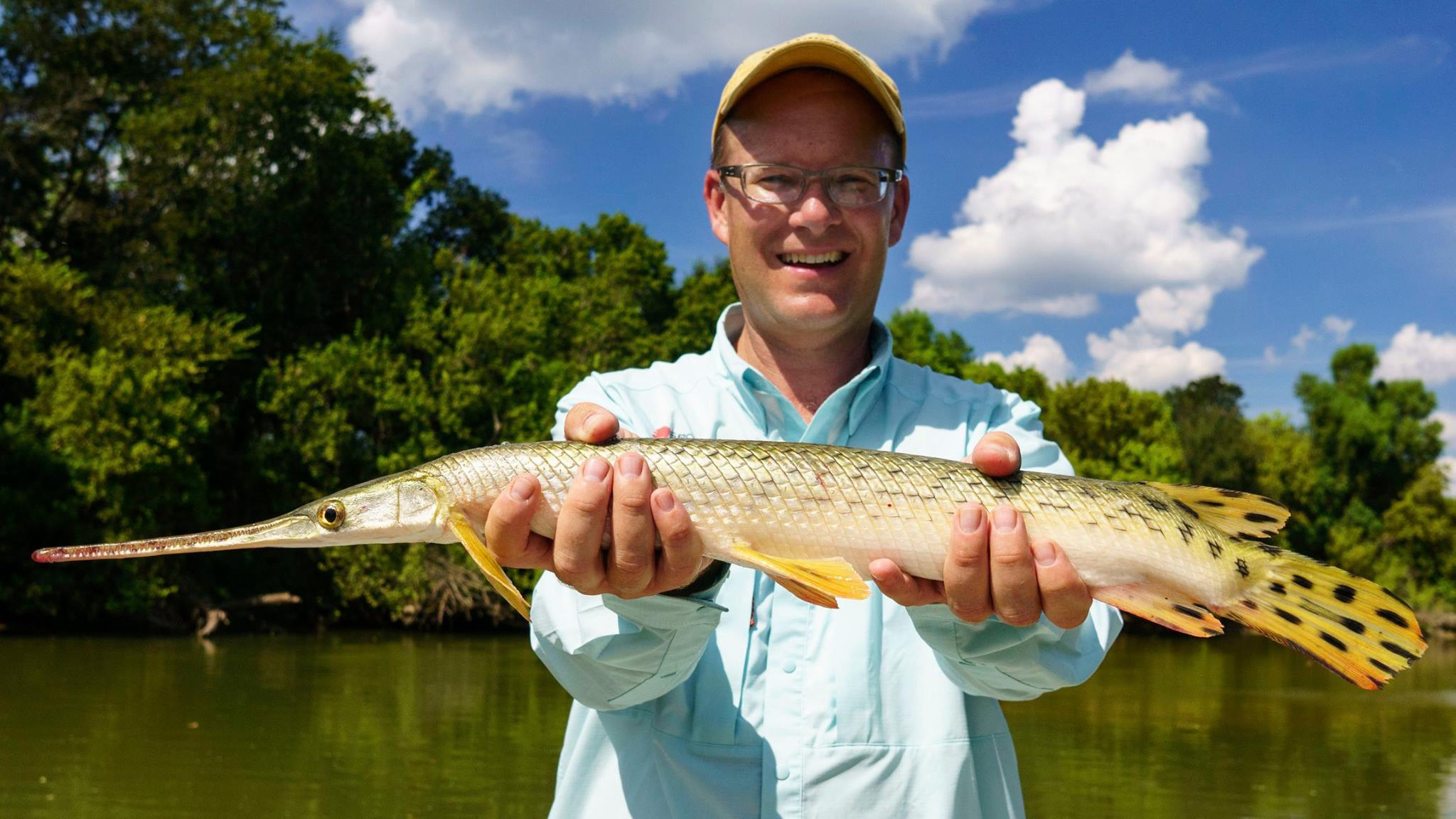
Matthew L. Miller with a longnose gar caught fly fishing

Matthew L. Miller is an advocate for an update to the regulations for non-game fishing in the USA. © Solomon David

It’s time to stop trash-talking fish

by Michael Edmondstone

Matthew L. Miller is the director of science communications at The Nature Conservancy. He is also a passionate angler whose love of freshwater biodiversity calls him to question traditional approaches to fisheries management in the USA.

He has written extensively on using the phrases ‘rough fish’ or ‘trash fish’, both of which are used widely among anglers in North America. They mean the same as ‘coarse fish’ in the UK: fish that don’t make good eating and so aren’t considered game. The terms have problematic implications for non-game fish, as Matthew explained.

Can you talk through the use of the term ‘rough fish’ in fisheries management in the USA?

It stems from the idea of there being a hierarchy among fishes. It’s a European notion that held that coarse fishing was considered lower than game fishing. It has evolved over time, but there is still the distinction in many European waters between game fishing and coarse fishing. In the USA, that hierarchy has held, and fishing regulations in the USA distinguish between game fish and rough fish.

Often this translates to a complete lack of regulation for non-game fish. For instance, where I am in Idaho, you can take rough fish at any time of year, without limit, and you can spear them, snag them or shoot them with bows and arrows.

The regulations have not kept up with the science. We now know that some of these non-game species are long lived and slow to mature, but you can still kill them without limit.

How can this lack of regulation damage the wider ecosystem?

Bow fishing – fishing with a bow and arrow – used to be a niche hobby in the USA, but recently it has exploded in popularity. There are now specialised boats, specialised lighting, all this equipment, but very little research on the impact this is having on the ecosystem.

Game fish such as trout and bass have a lot of funding and research directed at them, but non-game fish have a real lack of both. There is anecdotal evidence of people noticing non-game fish such as bigmouth buffalo disappearing from certain waters, but there needs to be more studies. I co-authored a paper in the Fisheries journal that is calling for more research.

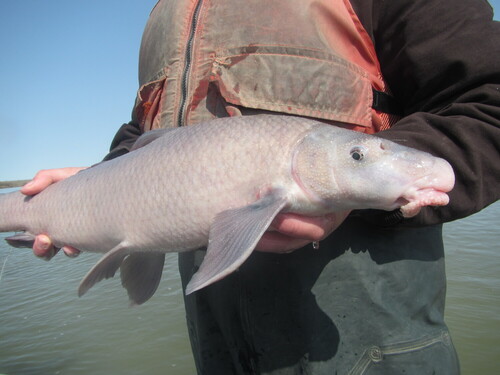
Blue sucker, USFWS
A blue sucker: non-game fish like this can broaden anglers’ horizons

Suckers can provide a new challenge for anglers.

In your recent Cool Green Science article, you said that fisheries should be ‘managed with science, not emotion’. Are fisheries usually regulated by emotion in the USA?

We have state fish and wildlife agencies that manage wildlife in the different states. In fact, a lot of the management of wildlife is at state level. Hunting and fishing have a democratic tradition in the USA, as there is unrestricted access and you don’t have to be a landowner.

Many of our wildlife species are well managed, but usually only if they are managed by hunters and anglers, as they have real interest in sound management of the species that they’re interested in.

There is pressure from anglers that is not based on science. They want lots of trout, so many lakes stock massive amounts of trout. We hope for there to be management based on science, but it is wishful thinking.

On the other hand, when anglers come together, they can be a powerful force for good. For instance, they have driven the reintroduction of lots of native trout species and subspecies.

Can you talk through some of the frustrating things you’ve seen from anglers with regards to non-game fish?

A viral video this summer showed two bowfishers counting off 1,000 gar they killed in an outing. This is nearly impossible to achieve over a weekend of hook and line angling.

And they dumped every dead fish back into the water.

The first time I tried fishing for suckers, somebody said: “Are you having any luck with the trout?”.

I said that I’m fishing for suckers.

He said that “They’re non-native and that ‘I should kill all I can”.

People often offer me unsolicited advice and are dumbfounded when I say I’m trying to catch suckers. But, as with anything, you need to recognise when it’s best for education, and when it’s best to not go down that rabbit hole: there are people who are receptive to the message, and people who are not.

Part of what I’m trying to do is shift the narrative where I can, which doesn’t mean shifting the minds of everyone. But the more people who value the non-game fish, the more hope we have.

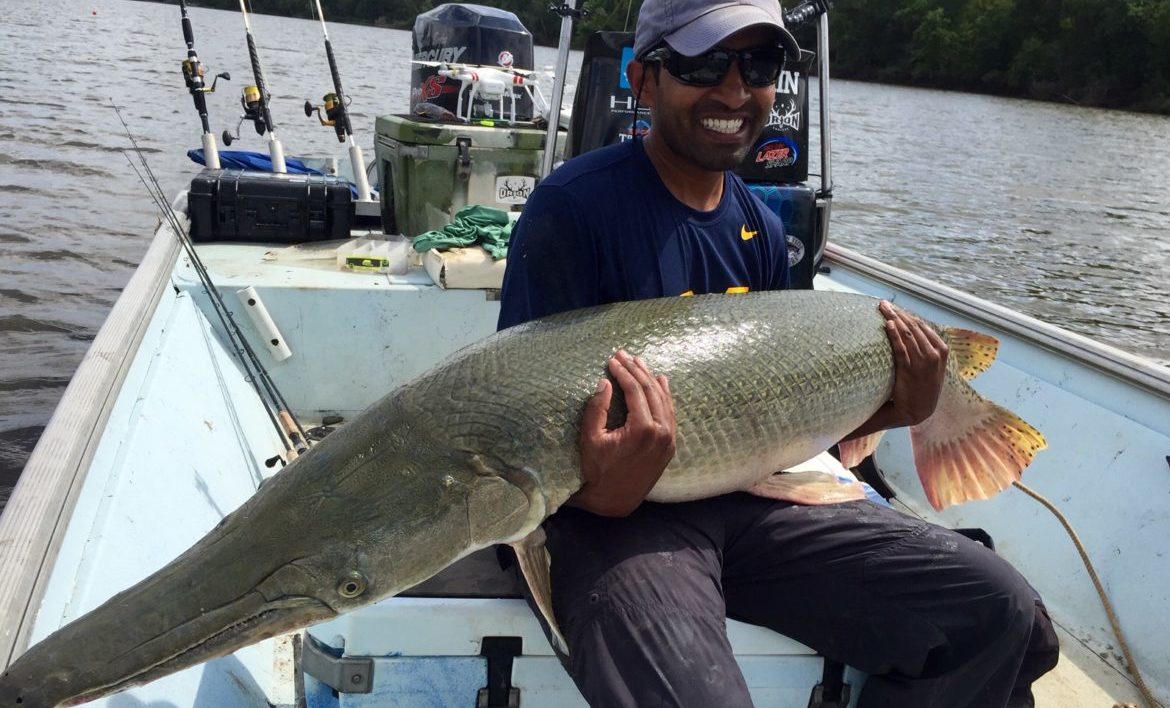
Solomon David holding an alligator gar © Matthew Miller

What can be done to educate anglers?

Rarely does making somebody aware of an issue change it.

But in the USA there is a tremendous outdoor media, and there are voices in that media that have influence, so if they say an alligator gar is a trophy fish, people will listen.

When alligator gars were featured on Jeremy Wade’s River Monsters, suddenly people wanted to go out and catch and release them. That’s a change of value among anglers that was driven by a television show.

We have a long way to go, and as with most things, it has to be a combination of a change in attitudes and change in regulation, and both of these will feed each other.

What can anglers do to be a force for positive change?

They can really get to know their streams. I know anglers who know mayfly habits and the behaviour of trout really well, but don’t really know much about the other fish species. Knowing more about the biodiversity can make you a better angler, and it can also help you expand your angling horizons – catching a bigmouth buffalo can be a tremendously challenging endeavour, and that can really flip the narrative.

Matthew’s book ‘Fishing Through the Apocalypse’ is out now. It explores what the future holds for fish and the people who pursue them through a series of fishing stories about the reality of the sport in the 21st century.

Matthew is also the editor of Cool Green Science: the conservation science blog from The Nature Conservancy.

You can find him on Twitter at @eatguineapigs.