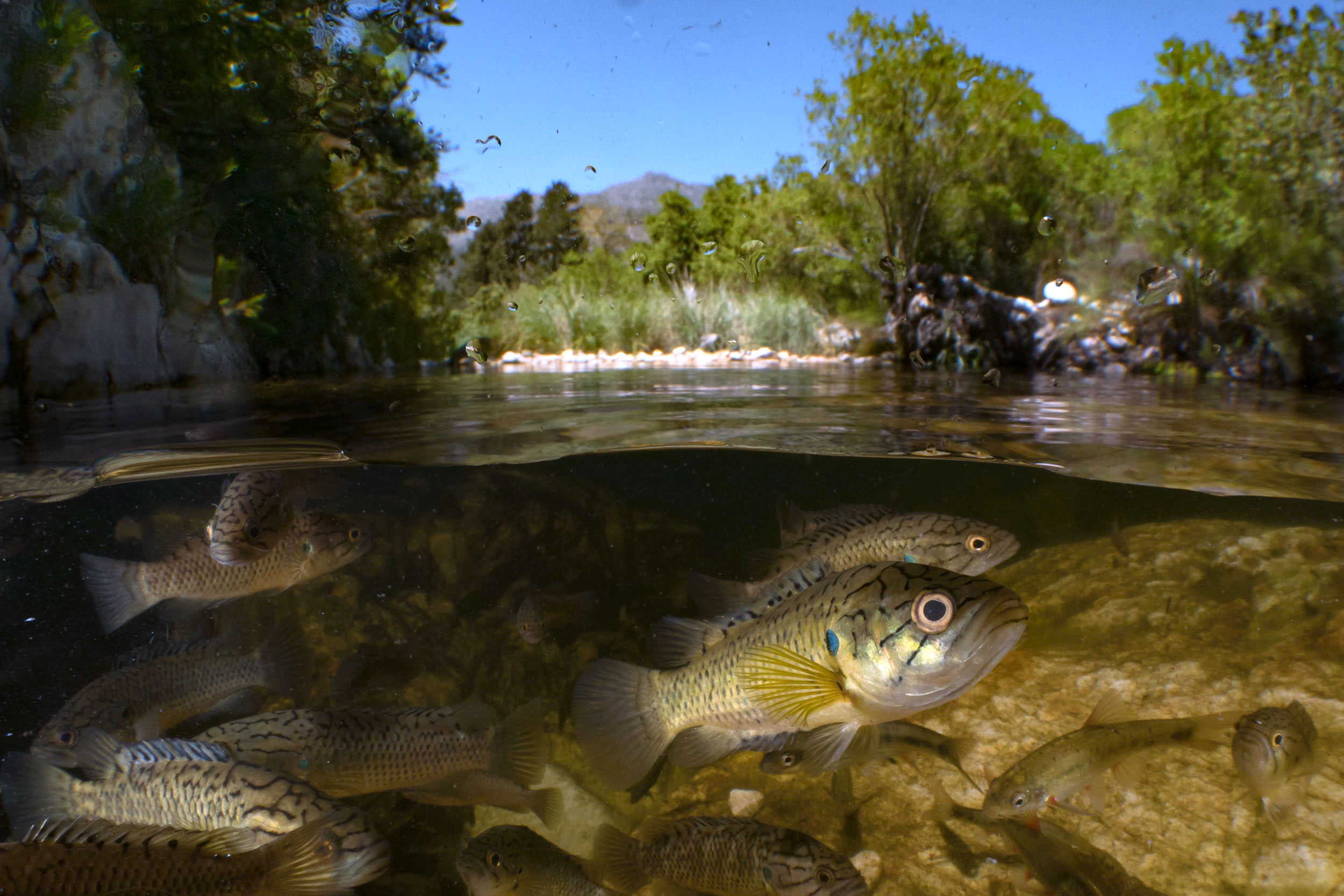
The SHOAL is the global ecosystem of partners and collaborators who work together to safeguard the health of Earth's freshwater habitats and conserve the most threatened freshwater species. As with a shoal of fish, the strength of the SHOAL lies with the number of partners all working together.
Blueprint for Conservation Action for 1,000 Freshwater Fishes
SHOAL's flagship initiative sets out a plan for how significant collaborative conservation effort can lift freshwater fishes and potentially thousands of other neglected freshwater species to a new elevated platform of conservation attention and greatly enhance freshwater conservation efforts globally.
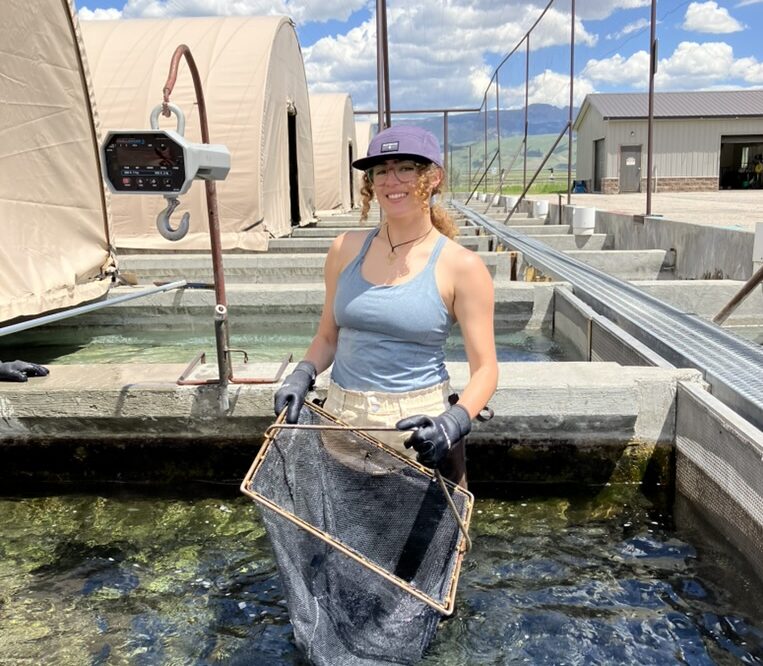
Chouly: I am an interdisciplinary conservation scientist with expertise in freshwater fish ecology, community-based conservation, and capacity development. I have worked extensively in Cambodia’s Tonle Sap Lake and the Lower Mekong River Basin, conducting research and leading conservation efforts. Throughout my career, I have held roles at the School for Field Studies-Cambodia programme, WWF-US, and BirdLife International, where I taught and researched freshwater fish ecology and conservation, managing grants, and developing local capacity.
Where do you live?
Chouly: I currently live in Virginia, United States of America, though I am originally from Cambodia.
What drew you to working with SHOAL?
Chouly: I was drawn to working with SHOAL because of its strong focus on conserving globally threatened freshwater fish species, a critical yet overlooked taxon. This role perfectly aligns with my passion and mission to make an impact on freshwater fish species and their ecosystems at the global level.
What excites you about freshwater species conservation?
Chouly: Growing up in Cambodia, where fish and freshwater ecosystems are integral to our lives and culture, I experienced firsthand the vital role of the rich diversity of fish species and their ecosystems, like the Tonle Sap Lake and Mekong River. Unfortunately, I also witnessed these fish and these systems’ increasing threats that often go unnoticed and lack the urgent attention they deserve. Seeing the incredible biodiversity and the growing threats facing them has motivated me to advocate for the conservation of freshwater species and their habitats.
What are you most looking forward to with this role?
Chouly: I am most looking forward to collaborating with communities, scientists, governments, NGOs, and private corporations to co-create long-term solutions for the recovery of the many globally threatened freshwater fish species and their ecosystems.
Do you have a favourite fish?
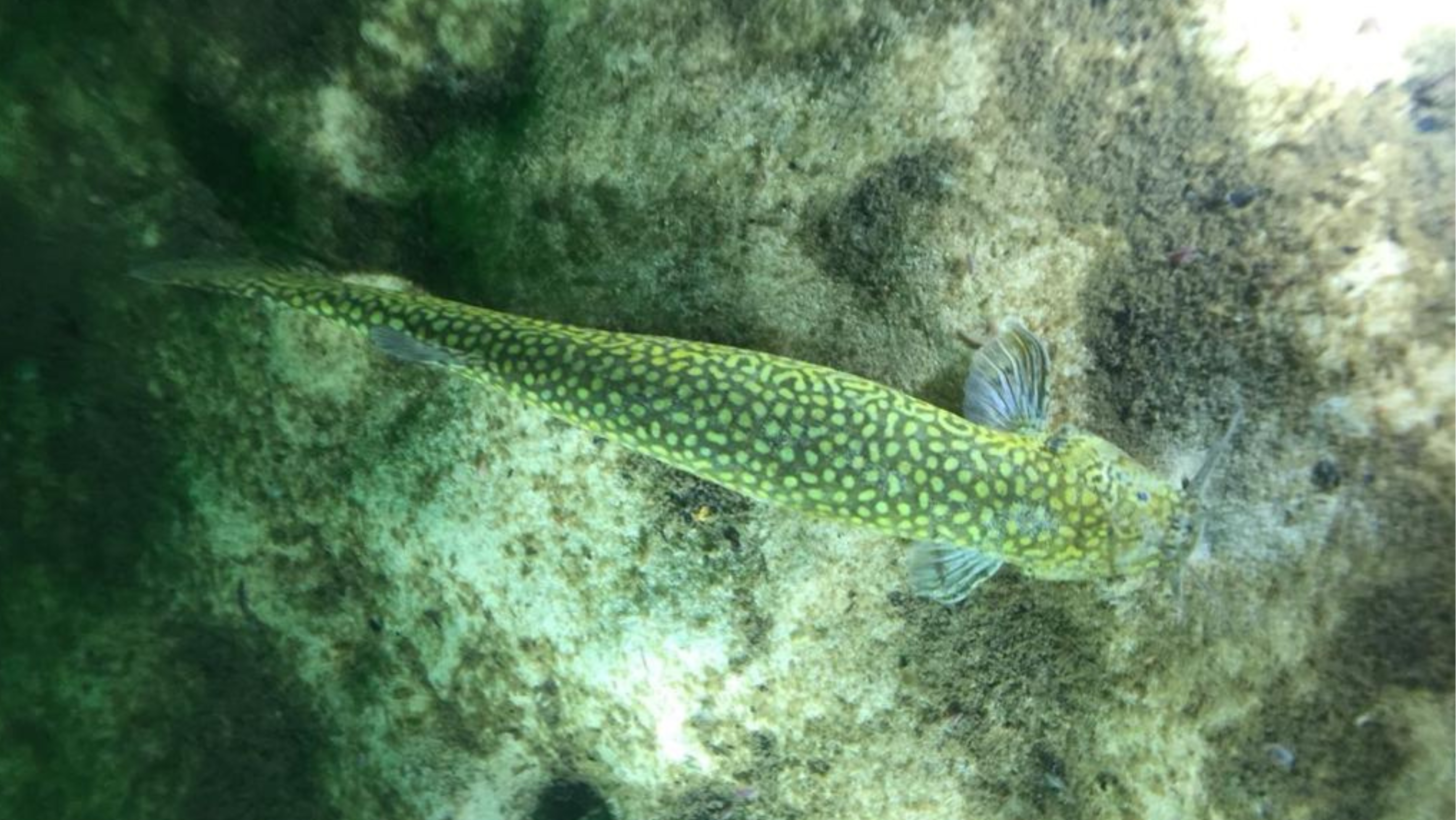
Chouly: It’s hard to choose, but I have a special connection to Schistura diminuta, the loach species I discovered during my Ph.D. research in Northeast Cambodia. It reminds me of how many species have yet to be discovered, yet they could become extinct before we get to know them if we do not work together to bring about conservation actions for freshwater fish species.
Michael Köck European tour update 1: Mexico City – Rostock, Germany
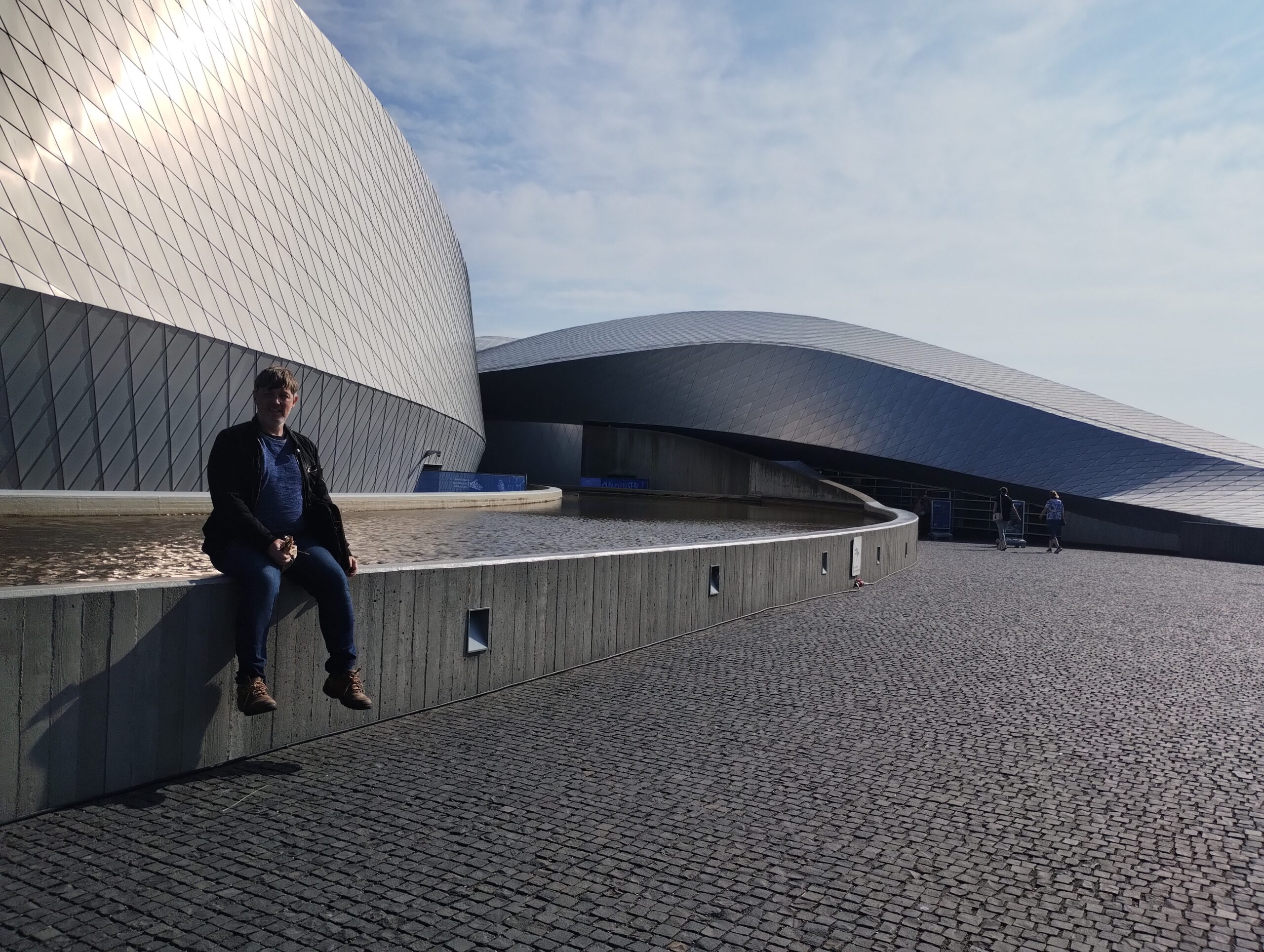
Den Bla Planet Aquarium, Copenhagen, Denmark
Michael Köck European tour update 1: Mexico City – Rostock, Germany
Michael Köck, Chair of Plan G: the initiative to save the highly threatened Goodeinae family of Splitfins in Mexico, is currently touring zoos, public aquaria and museums across Europe with the aim of engaging stakeholders in Plan G’s conservation plan. Here, he gives his first update on the trip.
Leaving Mexico on 27 August, I arrived the following day in Copenhagen, Denmark. Next day I took a connecting flight to Sandefjord, about 20 km west of Oslo, Norway. I got picked up by a friend who brought me to his farm in Porsgrunn where I spent two days acclimatising. He is a hobby fishkeeper who has been to Mexico a few times, so we spent those days talking a lot about fish, Mexico and Plan G.
Two more friends visited us and we created some really nice ideas around Plan G. For example, one of these guys works with several friends in a company that plans ecological and sustainably functioning cities and towns, and they would be very interested to work with Teuchitlán [the town where the Golden Skiffia was successfully reintroduced] on a pro bono basis. He wants to convince his partners to support Plan G financially.
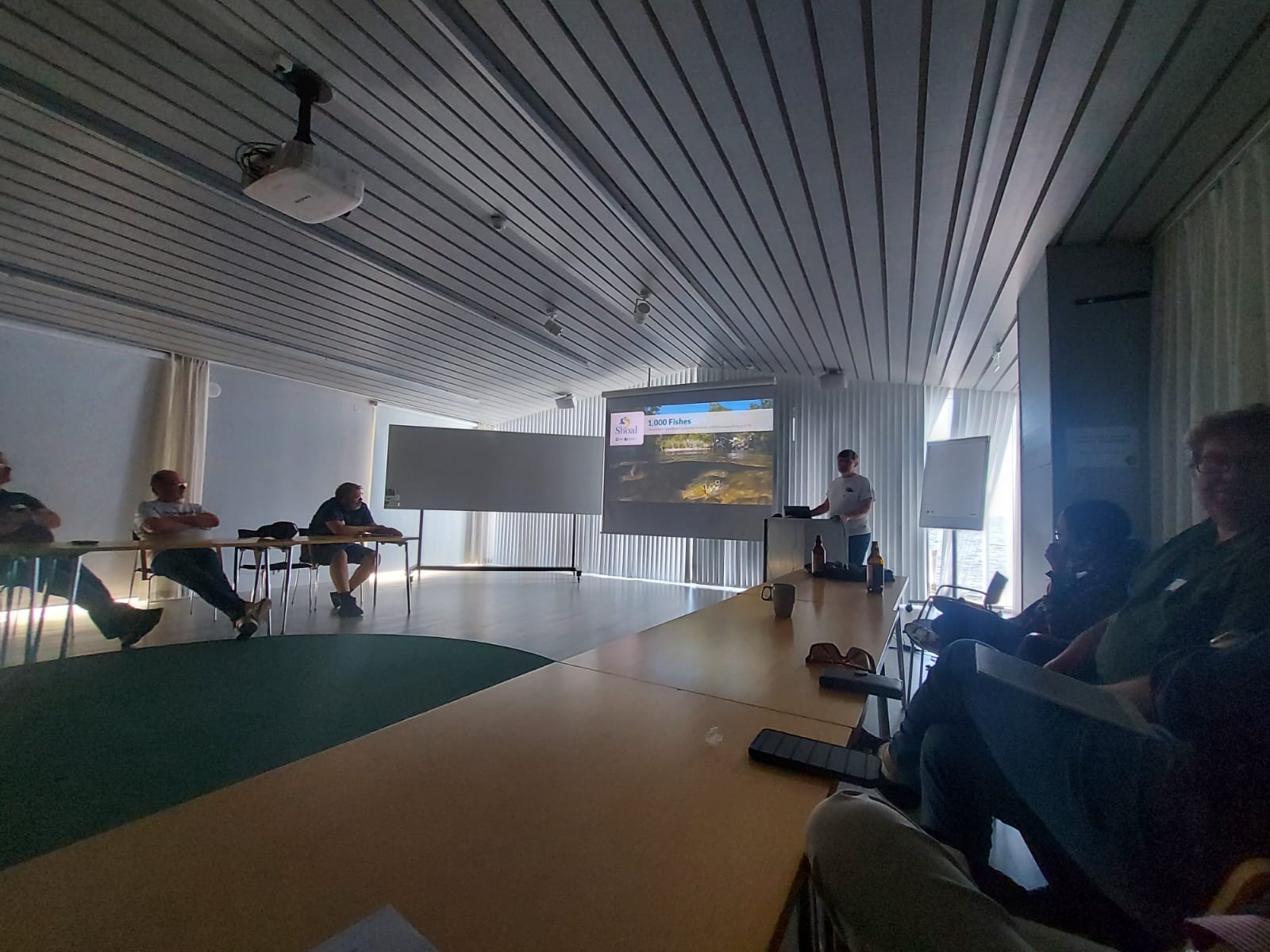
On 31 August, we all went by car to Fiskebäckskil, Sweden where I gave a talk at the 50-year anniversary of the hobbyist organisation Poecilia Scandinavia about Plan G. More than 20 people from five countries joined the meeting and the talk was well received. Directly after, Poecilia Scandinavia donated €3,000 to Plan G and another €1,500 to the Aqualab in Morelia and asked me to write an article about Plan G for one of the next issues of their magazine.
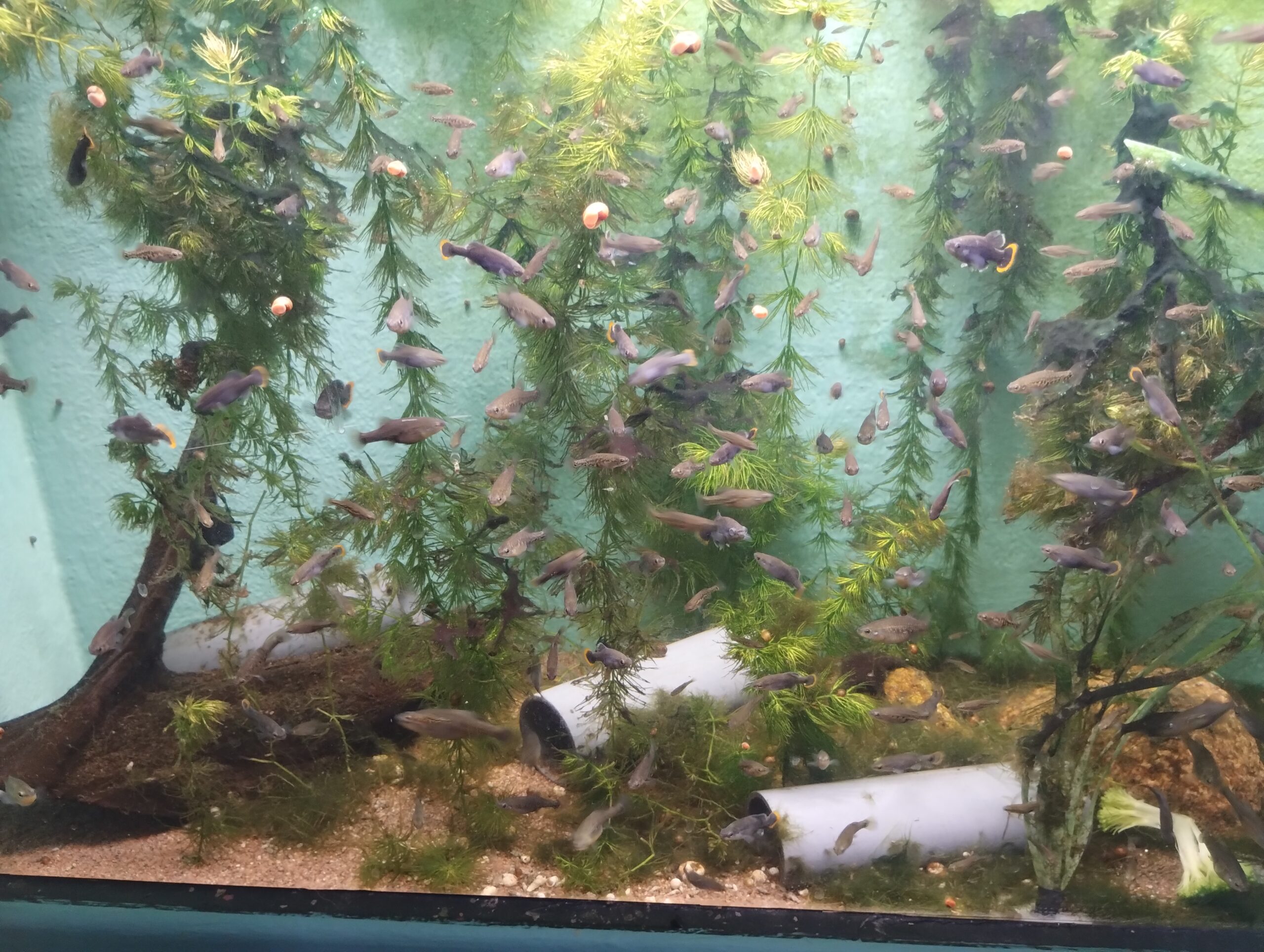
Backstage breeding tank Zoogoneticus tequila, Malmö Museum, Malmö, Sweden
I headed to Malmö on 2 September, where I had a meeting with the leader of the Aquarium of the Malmö Museum, Jesper Flygare in the morning and gave a presentation about Plan G to him and the staff. The people were impressed by our conservation work and promised to help. The museum is run by the town of Malmö and the concept doesn’t allow any straight donations, but we agreed on making an exhibition with Goodeids and a donation function for visitors, as well as promoting Plan G to the local fish club. The aquarium already keeps two species of Goodeid and even runs an ex situ conservation project for one of them, so there is already a strong connection. My presentation was followed by the head animal keeper of the Tropikariet Indoor Zoo in Helsingborg, Jonas Östander, who got invited to my presentation by the Malmö Museum team. He invited me to present Plan G to his director who is interested in supporting new conservation projects. Though my schedule was very tight, I promised to find a time slot for the next day in the late afternoon.
Presenting in front of Poecilia Scandinavia, Fiskebäckskil, Sweden
On 3 September, I paid a visit to the Den Blå Planet, Denmark’s biggest public aquarium. The head animal keeper Peter Petersen showed me around and I was impressed not only by the number of rare fish in their show tanks, but also to see huge colonies of several Goodeid species backstage. They have joined the EAZA Goodeid Ex Situ Program (EEP) and are focusing on ex situ conservation of many endangered fish species from many fish groups. I presented Plan G to Peter and he suggested he will present it to the board of directors to select Plan G to get funded by their conservation fund. Luckily, I prepared USB sticks with the Plan G logo in a little bag with Mexican sweets and a pen made of copper – a little gift from Santa Clara del Cobre near Lake Pátzcuaro for all my contacts on the tour. The USB sticks hold information about the “Guardianes del Río Teuchitlán” and SHOAL, as well as my Plan G presentation.
Starting at 14:00, I started for Helsingborg, knowing time would be tight for Tropikariet Zoo, as it closes at 17:00. Unfortunately, a taxi driver brought me to the wrong train station and I arrived 10 min too late. The zoo was informed but unfortunately no one could wait for me. I was however able to leave my little present with the USB stick, and I will for sure contact them after my return to Mexico.
On September 4 I took a ferry transfer from Trelleborg, Sweden to Rostock, Germany, where I have a visit to the local zoo scheduled for 5 September, and one to the zoo in Schwerin in the afternoon. I will let you know how these visits and the ones in Berlin thereafter went.
5 freshwater conservation highlights of 2024 (so far)
This year’s been one of our busiest yet, so take a midpoint deep dive into our most memorable moments so far.
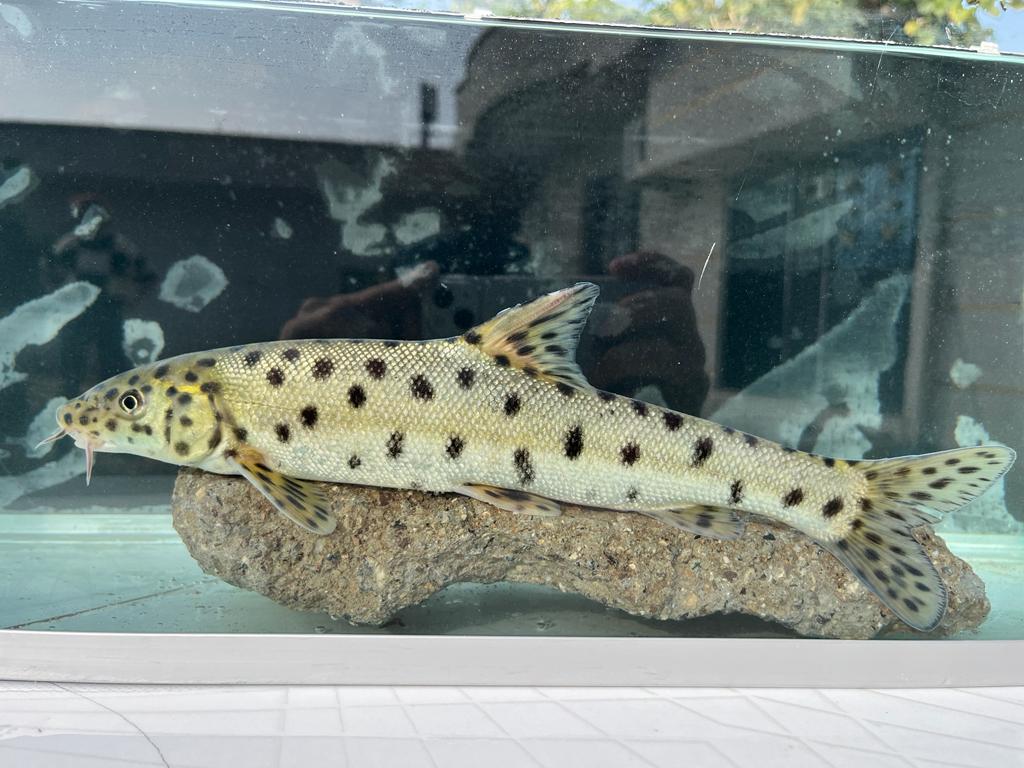
Rediscovering the leopard barbel
In January we were thrilled to announce that the leopard barbel was been rediscovered by a team of ichthyologists in Türkiye, led by Cüneyt Kaya and Münevver Oral.
“We dropped everything and would have gone to the ends of the Earth to see this fish, this legend, alive in the wild.”
Münevver Oral, Assistant Professor at Recep Tayyip Erdogan University
“With both the Batman River loach and now the leopard barbel, we have an obligation to mobilise conservation efforts to ensure neither becomes lost again.”
Cüneyt Kaya, Associate Professor at Recep Tayyip Erdogan University
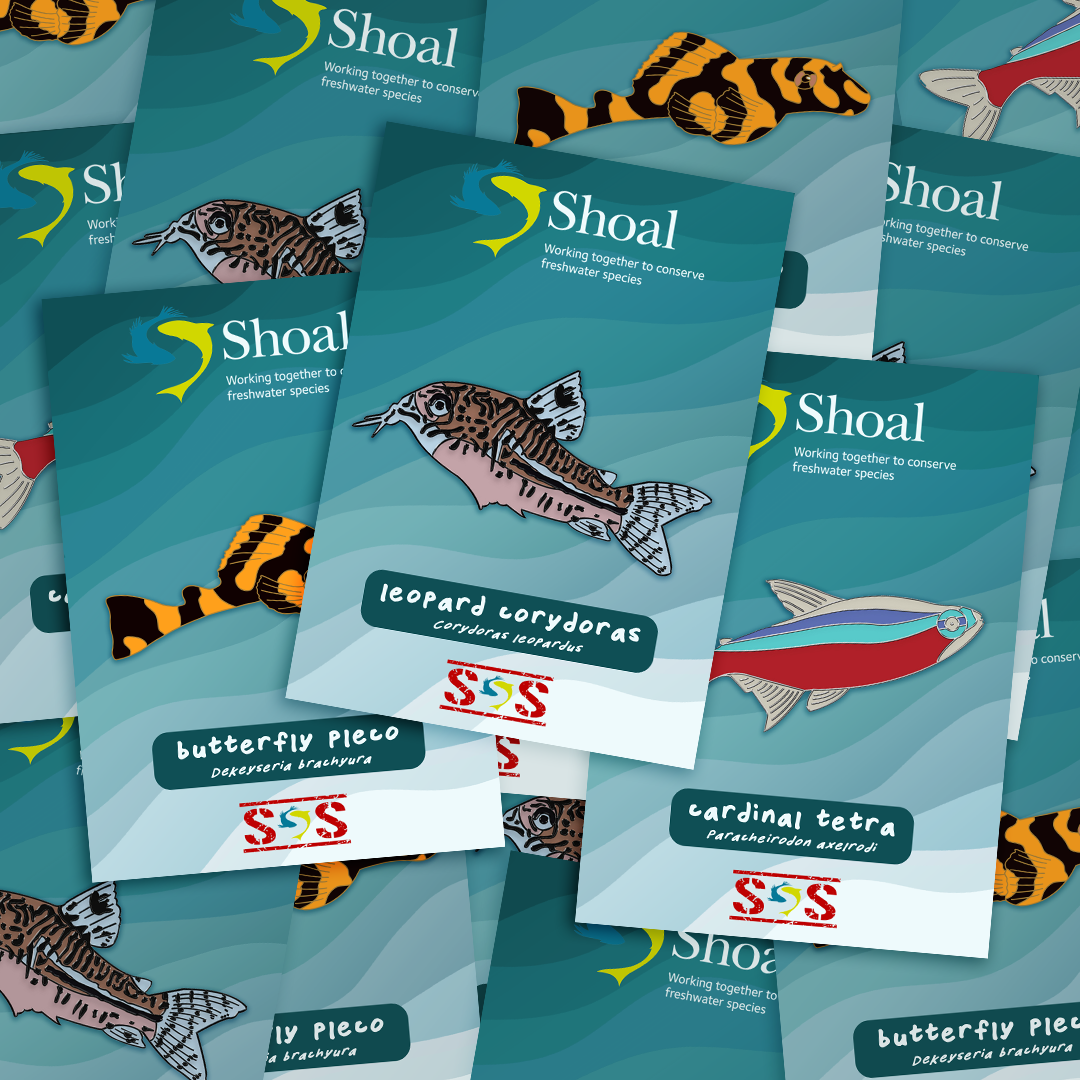
Our brand new range of collectible enamel pins are available in select aquarium stores across the UK – with donations going towards our SOS: Support Our Shoal campaign.
Designed to bridge the gap between the home aquarium community and impactful conservation of the world’s most threatened freshwater fish,SOS: Support Our Shoal provides a reliable channel for aquarists to direct vital funds to the freshwater species and ecosystems that need them most.
“SOS: Support Our Shoal is a rallying cry to those who care about what is happening to freshwater species and want to be part of the solution. This is a landmark time for the aquarium community, and collaborating with us is a demonstration that it is beginning to take conservation seriously.”
Mike Baltzer, Executive Director, SHOAL
You can find the pins at any of our brilliant partner aquarium stores across the UK:
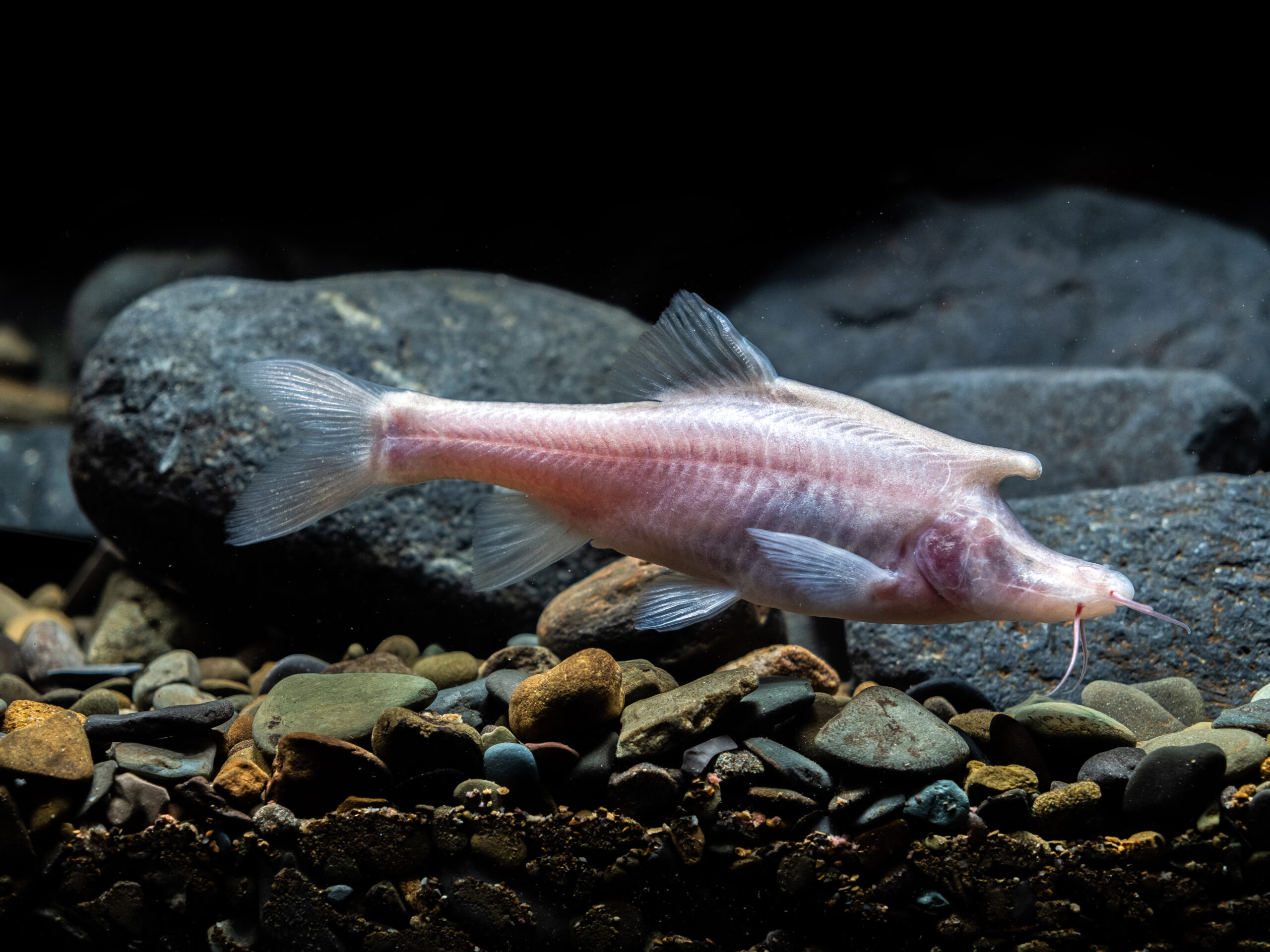
A minnow hiding in a megacity, 7 Swiss whitefish, and a cavefish that eats out of people’s hands were highlighted in New Species 2023. In March we released our third annual New Species report, detailing the 243 freshwater fish species described in 2023.
“Awareness-raising is a critical part of the work needed to give these species a chance of survival, and it’s our hope and expectation that New Species reports will go some way to driving a greater appreciation for freshwater fish.”
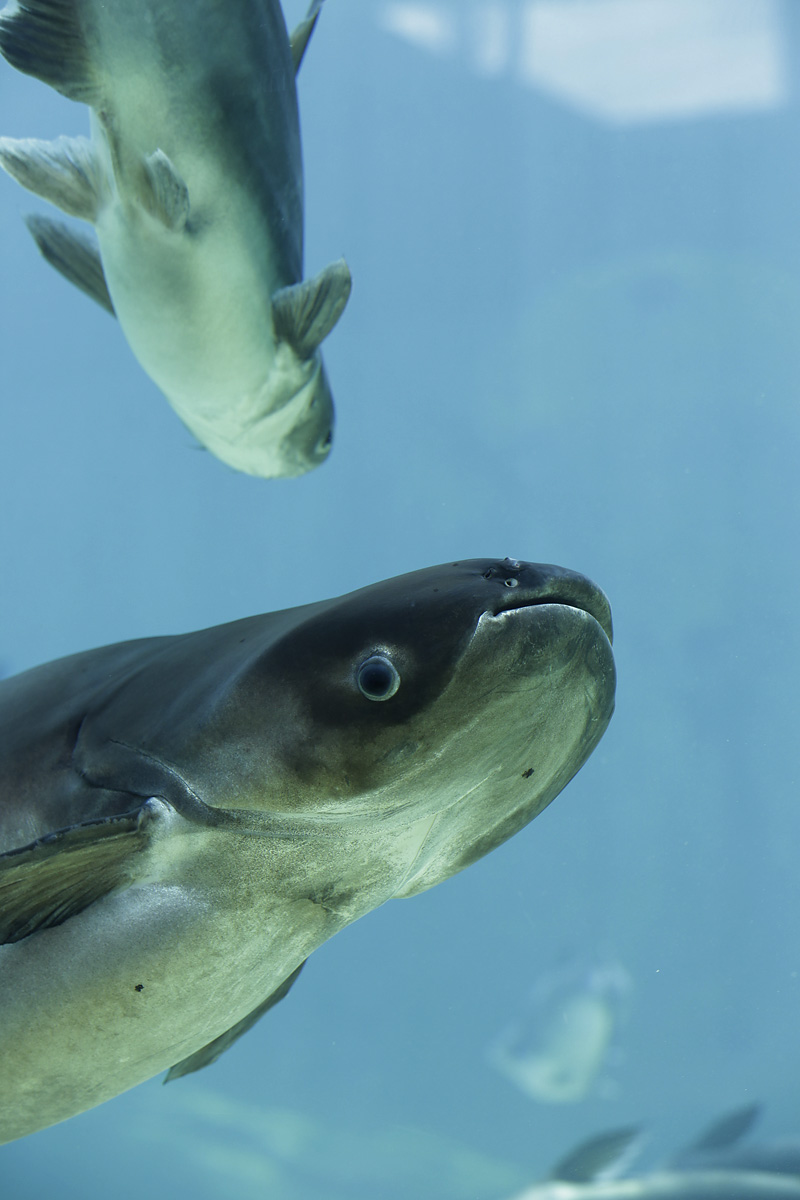
In March the WWF and partners released a flagship report focussed on the dazzlingly diverse fishes of the Mekong.
The river is home to some of the world’s largest freshwater species and one of the smallest, but the species are under increasing threat.
With one-fifth already facing extinction, urgent action is needed to safeguard the future of these extraordinary fishes, as well as the people & ecosystems that depend on them.
In April we launched an ambitious new initiative to mobilise conservation action for 1,000 of Earth’s most threatened freshwater fish species by 2035.
The SHOAL Blueprint for Conservation Action for 1,000 Freshwater Fishes by 2035 is perhaps the single most ambitious conservstion framework in terms of species numbers ever written, and certainly our most ambitious project to date here at SHOAL.
“The Blueprint shows the level of ambition and determination we need to turn back the tide on the freshwater biodiversity crisis, and halt extinctions and recover populations of the world’s most threatened freshwater fish. It is collaborative to its core and puts local communities at the forefront of impactful conservation action. It is urgent that we now push on and mobilise the conservation actions outlined by The Blueprint – our planet’s freshwaters depend on them.”
Mike Baltzer, Executive Director, SHOAL
We are celebrating the launch with a photo competition, which ends Saturday 31st August 2024.
Catch up on SHOAL’s webinars to discuss April’s release of the 1,000 Fishes Blueprint.
Hear from Brian Zimmerman, Co-Chair of the IUCN SSC Freshwater Fish Specialist Group, Topiltzin Contreras-Macbeath, Co-Chair of the IUCN SSC Freshwater Conservation Committee, Rajeev Raghavan, Assistant Professor at the Kerala University of Fisheries and Ocean Studies, and Mike Baltzer, SHOAL’s Executive Director as they discuss the Blueprint and some of the outstanding work already being done to mobilise conservation action for some of the Priority Fishes highlighted.
Our partners have produced a new film about the Search for the Fat Catfish.
Dive into Lake Tota on the Search for the Fat Catfish
Colombia’s fat catfish is one of freshwater’s great mysteries. Not seen since 1957, there are more layers of intrigue surrounding this creature than it has rings of fatty tissue – i.e. a LOT!
Firstly, nobody knows why it has that strange physiology: why is it fat? Could it be from overeating? Or a way to stay warm in the cold mountain waters of Colombia’s Páramo? It could be something else entirely, but with only 10 preserved specimens in the world, and no live sightings of the species for more than 70 years, it is incredibly challenging to know.
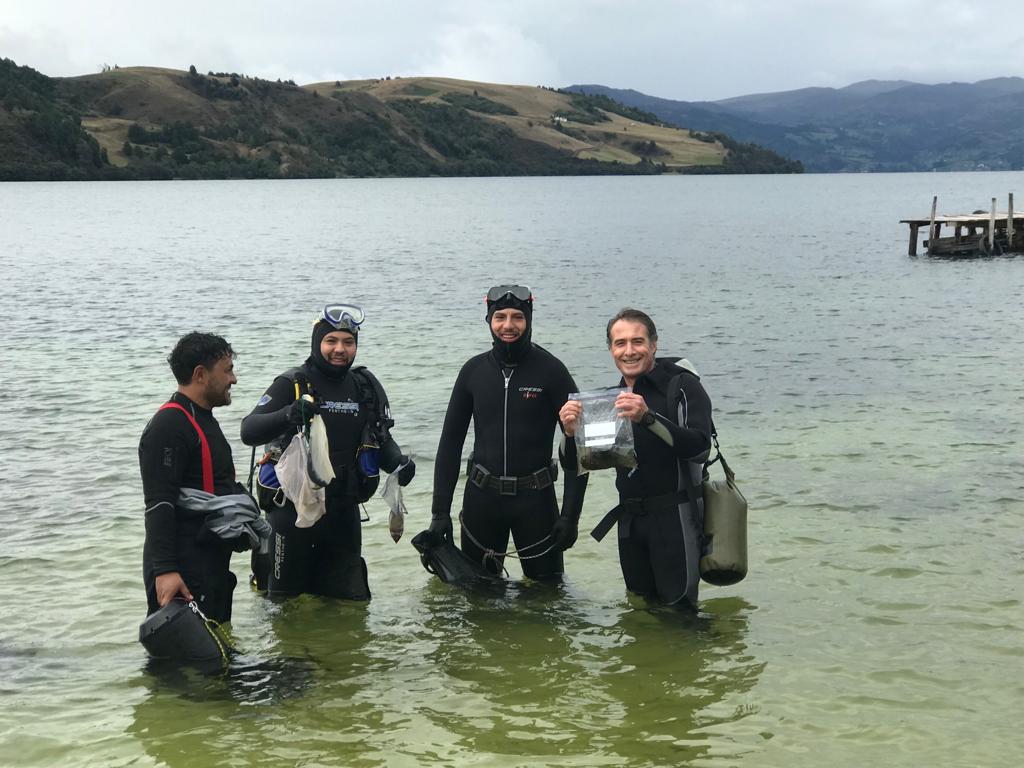
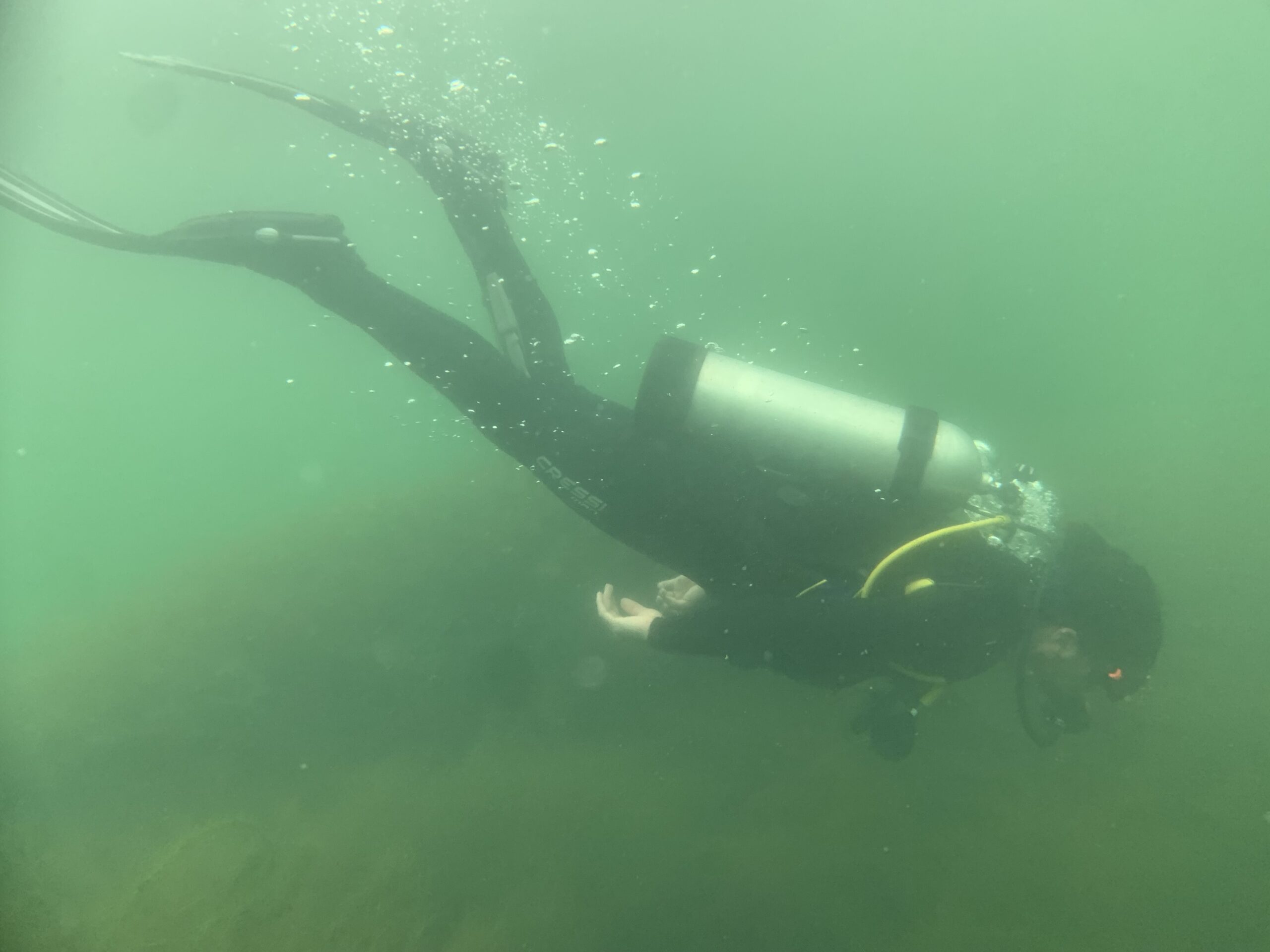
And what happened to the species? It was allegedly once so common that people living near Lake Tota used the grease from the fish to light their homes. Yet the species seems to have disappeared without trace. Nobody knows why. Through SHOAL’s Search for the Fat Catfish with partners from Instituto de Investigación de Recursos Biológicos at Alexander von Humboldt, Universidad De Los Andes, and Re:wild, we attempt to find answers to some of these questions. Using eDNA metabarcoding and more traditional search techniques, our partners are working to put pieces of the puzzle together and give us some clues about the fat catfish.
SHOAL is currently recruiting for a US Programme Lead. The candidate will be based within the US and Canada; with other locations within Central and South America reviewed on a case-by-case basis. The position will hosted by Re:wild as Freshwater Fish Conservation Coordinator.
Lead,and develop SHOAL in North America
Working with Re:wild’s regional leads and in coordination with SHOAL, identify, support, and mentor local partners to establish and run high impact conservation projects for freshwater fish following the priorities set out in the SHOAL blueprint for freshwater fish conservation and within Re:wild’s priority regions.
In close collaboration with the SHOAL and Re:wild development team and leadership, cultivate donors and secure funding for SHOAL and Re:wild projects on freshwater fish conservation.
Mentor and train project partners and help them connect with additional partners and expertise as required.
Represent SHOAL and Re:wild in all conversations around freshwater conservation both internally and externally.
Work closely with the IUCN SSC Freshwater Fish Specialist Group and the IUCN SSC Global Center to ensure close coordination on freshwater fish conservation efforts.
Manage grants and contracts with local partners around the world.
Establish, develop, and manage freshwater fish conservation small grant schemes.
Support the Search for Lost Fishes programme with data management, expedition planning, fieldwork methods, partner management, and communications.
Liaise with the SHOAL and Re:wild communications team to promote the projects of our partners and our engagement in freshwater fish conservation.
Develop, manage and drive the growth of SHOAL in North America.
Fundraise for SHOAL priority initiatives in collaboration with the SHOAL and Re:wild teams to further the SHOAL strategy and blueprint for freshwater fish conservation.
Identify, engage with, and secure scientific, conservation, and public and private sector partners for SHOAL.
Manage and grow the SHOAL Alliance of Zoos and Aquaria.
Contribute to the development of SHOAL reports and strategies.
Support the creation and dissemination of SHOAL communications.
Represent SHOAL in international and national dialogues on freshwater fish conservation.
Competencies/Qualifications:
Bachelor’s degree required, advanced degree in a relevant field preferred.
7+ years of experience in conservation programmes.
Proven experience in developing programmatic approaches to species conservation.
Relevant field experience and proven ability to work in varied cultural and political situations.
Demonstrated fundraising ability.
Proven experience in training and mentoring local partners in multiple countries.
Deep connections with zoos and aquaria preferred.
Ability and interest to travel to remote field sites.
Strong communications and storytelling skills, including writing, correspondence, and public speaking.
Ability to work independently but also as part of a team.
Ability to speak other languages, especially Spanish, preferred.
Commitment to and passion for SHOAL and Re:wild’s mission, vision, and values.
Compensation and benefits:
This is a full-time, exempt, position.
Position location is flexible within the US and Canada; with other locations within Central and South America will be reviewed on a case-by-case basis.
Projected salary range of USD 75-90,000 with the final determination to be made commensurate with the candidate’s experience.
Medical, dental, vision, short- and long-term disability, and life insurance, with Re:wild covering 80% or more of the premiums. Re:wild also offers a 403b retirement plan with up to 3% match after a year of employment.
16 paid holidays each calendar year. Full-time employees can also accrue the following annually: up to 15 days of vacation leave, 12 days of illness leave and 2 volunteer days.
Qualified candidates are asked to submit a cover letter and résumé (as one document) to careers@rewild.org no later than 4 June, 2024. Please include “Freshwater Fish Conservation Coordinator” in the subject line.
Freshwater film made it all the way to the BAFTAs this year – here’s more freshwater films you can check out today.
Freshwater made it to thes earlier this year, thanks to an acclaimed film by Karni Arieli and Saul Freed.
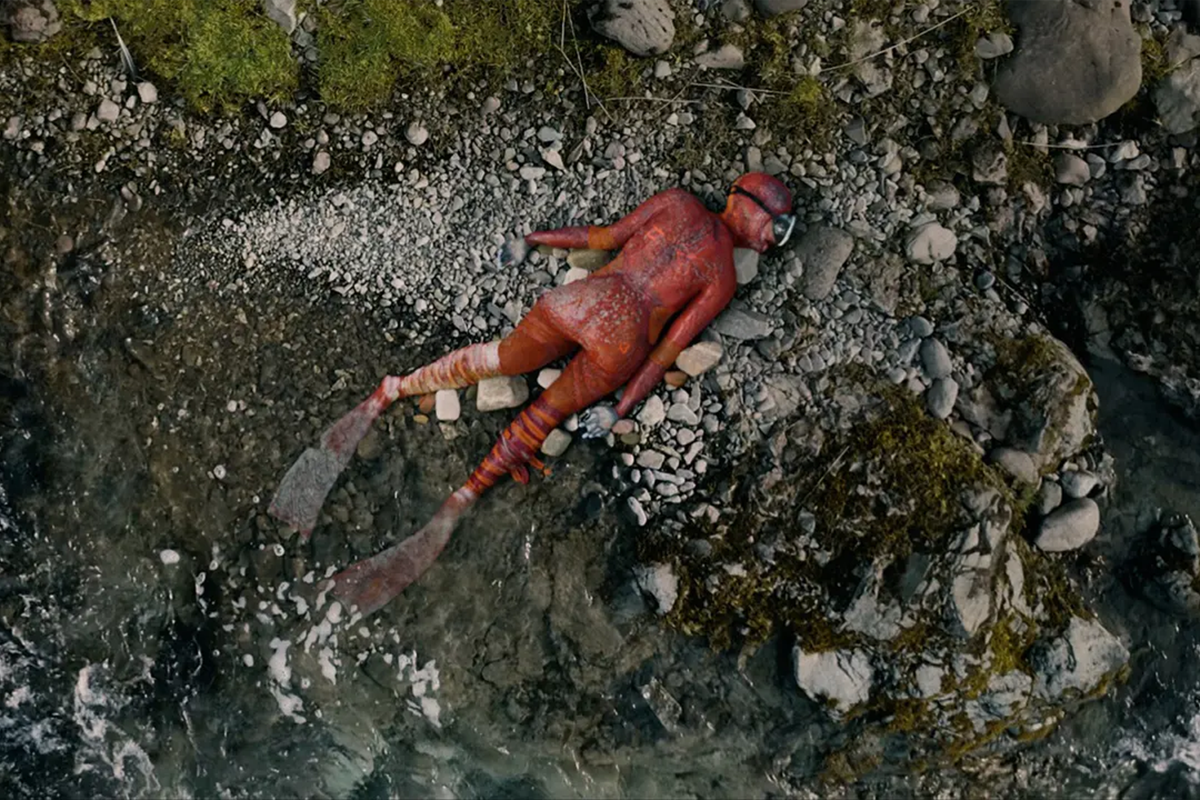
Wild Summon(nominated for Best Animated Short) combines animation with live-action underwater photography to tell the dramatic life cycle of the wild salmon in human form – her fight for survival as she migrates from a freshwater river to the open ocean – and then all the way back to her birthplace to spawn her young.
Narrated by Marianne Faithfull, the filmmakers describe Wild Summon as a “natural history fantasy”.
“If you watch the film without the sound, it might look like some sort of science-fiction film about creatures that live underwater. If you do the opposite – if you just listen to the voiceover – then it’s a straight natural history documentary”, Freed says. The arresting film has won multiple awards since it premiered at the Cannes film festival last year, as well as being nominated for a Palme d’Or, shortlisted for an Academy Award, and up for a BAFTA.
If Wild Summon has got you falling down the freshwater film rabbit hole too, here’s more you can check out today!
Artifishal: The Fight To Save Wild Salmon (2019), Blue Heart: The Fight For Europe’s Last Wild Rivers (2018), DamNation: The Problem With Hydropower (2014)
We’ve cheated a bit here because number 1 on our list is actually three films. Patagonia have made three films about freshwater issues, with the goal to spark dialogue and encourage change.
Artifishal: The Fight To Save Wild Salmon (2019) is a film about people, the fight for the future of wild fish and the environment that supports them. The film explores wild salmon’s slide toward extinction, threats posed by fish hatcheries and fish farms, and our continued loss of faith in nature.
Blue Heart: The Fight for Europe’s Last Wild Rivers (2018) is a shocking look at the tsunami of dam development in the Balkan Peninsula, as the construction of 3,000 proposed hydropower developments threaten to destroy the last wild rivers in Europe.
The majestic cinematography of DamNation: The Problem with Hydropower (2014) highlights the destructive effect of obsolete dams on healthy river ecosystems and habitats, as well as rivers splashing back to life when the infrastructure is removed.
The Ghosts of Table Mountain (2022) is an intimate look at the Table Mountain Ghost Frog by Freshwater Films.
The short documentary reveals the secret lives of the critically endangered frog – one of SHOAL’s Fantastic Freshwater species – as well as other freshwater creatures who depend on South Africa’s ancient, rocky beacon of biodiversity Table Mountain, including caddis-flies and Cape galaxias.
A story of conservation, collaboration and hope – the filmmakers aim to introduce viewers to the rare and beautiful amphibian, as well as the threats that are impacting the rivers and streams it calls home.
The great lakes are Earth’s largest freshwater system, holding around 20% of the planet’s surface freshwater and home to more than 35,000 species of flora and fauna.
This feature length documentary by Julia Robson and Alyssa Armbruster follows the co-creators of Walk to Sustain Our Great Lakes as they embark on a 343 mile walk from the shores of Lake Michigan in Milwaukee, WI, all the way to Lake Superior in the Upper Peninsula of Michigan.
Filmmakers Ferenc Kriska and György Kriska put the spotlight on some of the most important, but overlooked, species in the freshwater ecosystem in this short documentary.
If you only have half an hour to spare, spend it diving into the secret worlds of a range of invertebrate fauna of the wetland – including pond skaters, mayflies and water spiders.
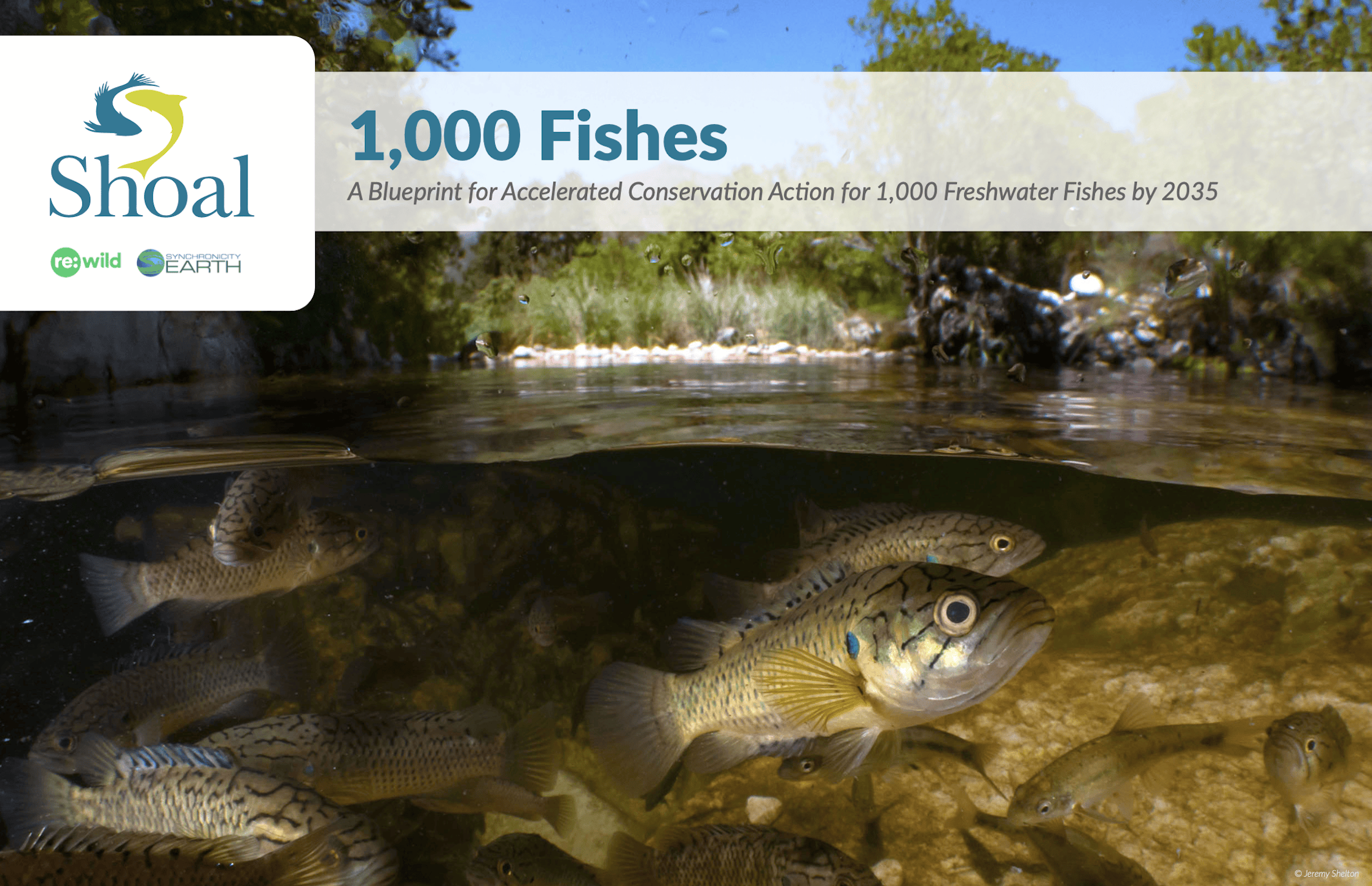
SHOAL has launched an ambitious new initiative to mobilise conservation action for 1,000 of Earth’s most threatened freshwater fish species by 2035.
Conservation action for 1,000 freshwater fishes by 2035? There’s a reason for conservation optimism. Keep scrolling to learn more about one of our most ambitious campaigns to date.
In April we launched the SHOAL Blueprint for Accelerated Conservation Action for 1,000 Freshwater Fishes by 2035, an exciting and ambitious new initiative that will place at least 1,000 threatened freshwater fishes on the path to recovery by 2035.
It’s not just a plan for 1,000 fishes. It’s a plan for hundreds of critical freshwater habitats, vital to thousands of other species and communities – very often the poorest on the planet – that rely on these fish and the freshwater habitats for their everyday lives.
The Blueprint was pulled together with the expert support and guidance from SHOAL partners the IUCN SSC Freshwater Fish Specialist Group (FFSG) and IUCN Biodiversity Assessment and Knowledge Team (BAKT).
Freshwater fishes have been largely neglected in conservation planning and yet the ecosystems they inhabit are vital to the survival of the planet. The incredible diversity of freshwater fishes in only 1% of the Earth’s surface area represents more than half of fish diversity overall. The Blueprint is therefore an extremely welcome and important call to action to halt the loss of so many species under the threat of extinction.
Brian Zimmerman, Co-Chair, IUCN SSC Freshwater Fish Specialist Group
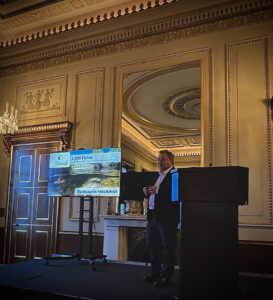
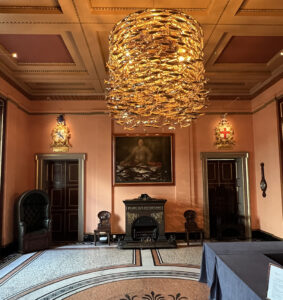
The blueprint was launched in April at an event kindly hosted by the Fishmongers’ Company at Fishmongers’ Hall in London, where SHOAL‘s executive director Mike Baltzer presented how the crucial initiative will mobilise collaborative conservation efforts for global conservation impact.
The Blueprint is a fundamental framework to Phase Two of SHOAL‘s strategy, and will define the organisation’s work for the coming decade. It is wildly ambitious – perhaps the single most ambitious conservation framework in terms of species numbers ever written*!
*We’d welcome people pointing us in the direction of a more ambitious framework!
Freshwater fishes are slipping through the net of conservation and are silently sinking towards extinction. The Blueprint identifies which species need urgent attention and how to cost effectively and collaboratively implement conservation action at scale to ensure at least 1,000 species are under suitable conservation action within a decade. This is the scale of action required to save freshwater fishes and the time to act is now.
Barney Long, Senior Director of Conservation Strategies, Re:wild
This Blueprint is the level of ambition that is desperately needed to make up for the damage caused by decades of neglect in the world’s freshwaters, and to ensure they are conserved and protected long into the future. With funding and support from those able to offer it, it is very much achievable.
Hear what our partners say about working with SHOAL, and why the Blueprint is so critical 👇
The Blueprint shows the level of ambition and determination we need to turn back the tide on the freshwater biodiversity crisis, and halt extinctions and recover populations of the world’s most threatened freshwater fish. It is collaborative to its core and puts local communities at the forefront of impactful conservation action. It is urgent that we now push on and mobilise the conservation actions outlined by The Blueprint – our planet’s freshwaters depend on them.
Michael Baltzer, Executive Director, SHOAL
For freshwaters, the time for action is now.
Together – as a strong and determined shoal – we’ll show that collaborative conservation can change the trajectory for freshwater fishes and save the world’s freshwater ecosystems.
SHOAL and IUCN SSC ASAP are currently recruiting for a SHOAL / IUCN SSC ASAP Southeast Asia Programme Coordinator.
Main duties and responsibilities:
Act as the focal point for SHOAL in Southeast Asia.
Lead partnership building in Southeast Asia.
Provide technical support.
Lead fundraising and reporting in the region.
Undertake Management and Administration.
Communications and reporting.
Requirements:
Minimum of a Bachelor’s degree in a nature conservation related topic.
Minimum of five years of experience in a managerial level nature conservation role.
Experience of advising and managing nature conservation projects, preferably related to freshwater
ecosystems and species. Fish conservation skills and experience is highly desired.
Sound understanding of community-based conservation.
Fluent in written and spoken English and preferably in at least one Southeast Asian language.
Able to live and work in at least one Southeast Asian country.
Proven ability to fundraise and build strong partnerships.
Able to work independently with remote supervision.
A fish that can leap out of water to escape predators, an air-breathing catfish, and some blood-sucking vampires highlighted in New Species 2022. In March we released our second annual New Species report, detailing the 201 freshwater fish species described in 2022.
“SHOAL’s New Species reports shine a much-needed light on a group of creatures that get very little attention.”
Mike Baltzer, Executive Director, SHOAL
Contributions from researchers and taxonomists who work hard to discover and describe new species make the landmark report possible. We’re now looking forward to New Species 2023, and we want to hear from you again! If you have come across a species this year you think should be included, get in touch.
In the Spring, SHOAL Executive Director Mike Baltzer travelled to Southeast Asia to meet conservation partners and visit some of the world’s most exciting freshwater ecosystems first hand.
“The trip gave me an invaluable opportunity to connect with local experts, plan future collaborations and see some of the world’s most biodiverse freshwater ecosystems first-hand.”
In July we released The Strategic Framework to Accelerate Urgent Conservation Action for ASAP Freshwater Fishes in Southeast Asia, alongside our partners the IUCN Asian Species Action Partnership (ASAP) and Mandai Nature. Years in the making, this major new report sets the course for urgent conservation of 90 freshwater fishes on the brink of extinction across 11 countries in the region.
To celebrate the launch key voices in freshwater conservation from SHOAL, PROGRES and the National University of Singapore came together for our “Securing a Future for Freshwater Fishes in Southeast Asia” webinar. Catch up here→
Alongside the report, the SHOAL-ASAP Freshwater Fish Conservation Grant was launched to support work to conserve Critically Endangered freshwater fishes in Southeast Asia. The grant directed funding to four brilliant projects across Indonesia and the Philippines.
Paratherina labiosa Hasanuddin University – Biology Department (Indonesia)
Poropontius tawarensis PGKB – Research Centre for Elephant and Forest Biodiversity Conservation (Indonesia)
Betta burdigala Airlangga University, Faculty of Fisheries and Marine Studies (Indonesia)
Barbodes manguaoensis and Bostrychus expatria Community Centred Conservation (Philippines)
“Southeast Asia is the world’s hotspot for highly threatened species. This framework provides the direction and clarity required to focus and catalyse action to bring the most threatened freshwater fishes back from the brink of extinction.”
The Pathala eel loach, star of SHOAL‘s New Species 2022 report, has shot to fame after Hollywood legend Leonardo DiCaprio celebrated its discovery on his Instagram.
Mr Abraham discovered the species by complete accident when it plopped out of the shower head and has demonstrated the amazing impact of a local campaign to engage community members in citizen science. His wife Suja says: “Now we’re always on the lookout for these creatures in our wells, tanks and tap water, after the researchers told us about them.”
In September we published our Phase One report, celebrating the highlights of our four year journey so far and outlining plans for the next 10. In four years SHOAL has launched programmes across 5 continents, helped develop 2 new NGOs, engaged 50+ brilliant strategic and local action partners, and much more.
By 2032, we aim to support 300 local organisations to protect, restore and rewild more than 300 habitats and halt the extinction of 1,000 of the Earth’s most threatened freshwater fish species.
“We are proud that we are recognised globally in conservation circles as an important actor in freshwater species conservation, that we have established programmes across five continents, and that we have built powerful partnerships with leading organisations who have been and will continue to be instrumental in helping us achieve our goals of protecting and restoring freshwater habitats and conserving the most threatened freshwater species globally.”
In October we released The Action Plan for the Conservation of Mexico’s Goodeid Fishes, an urgent new initiative with an ambitious multinational conservation programme – the first time this has ever been done.
The action plan was released in collaboration with Universidad Michoacana de San Nicolás de Hidalgo‘s AquaLab, Chester Zoo, the Goodeid Working Group, the IUCN SSC Freshwater Conservation Committee, and Guardianes del río Teuchitlán.
The launch was marked by the “Plan G: Conserving Mexico’s threatened goodeids” webinar, now available to watch online.Catch up here→
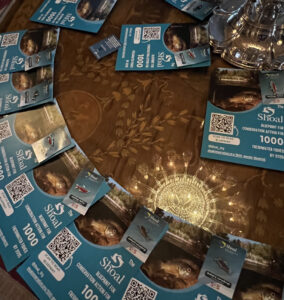
In December we announced our partnership with a selection of UK aquarium stores, where our brand new range of collectible enamel pins will be available – with donations going towards our SOS: Support Our Shoal campaign.
Designed to bridge the gap between the home aquarium community and impactful conservation of the world’s most threatened freshwater fish, SOS: Support Our Shoal provides a reliable channel for aquarists to direct vital funds to the freshwater species and ecosystems that need them most.
“SOS: Support Our Shoal is a rallying cry to those who care about what is happening to freshwater species and want to be part of the solution. SHOAL provides a reliable platform for the aquarium world to fund conservation projects that really work. This is a landmark time for the aquarium community, and collaborating with us is a demonstration that it is beginning to take conservation seriously.”
Mike Baltzer, Executive Director, SHOAL
You can find the pins at any of our brilliant partner aquarium stores across the UK:
If you want to support the work SHOAL are doing to conserve freshwater species through action-driven conservation donate here. Don’t forget to subscribe to our newsletter The Stream to get all the latest freshwater news straight to your inbox.