‘Africa’s Forgotten Fishes’ report released

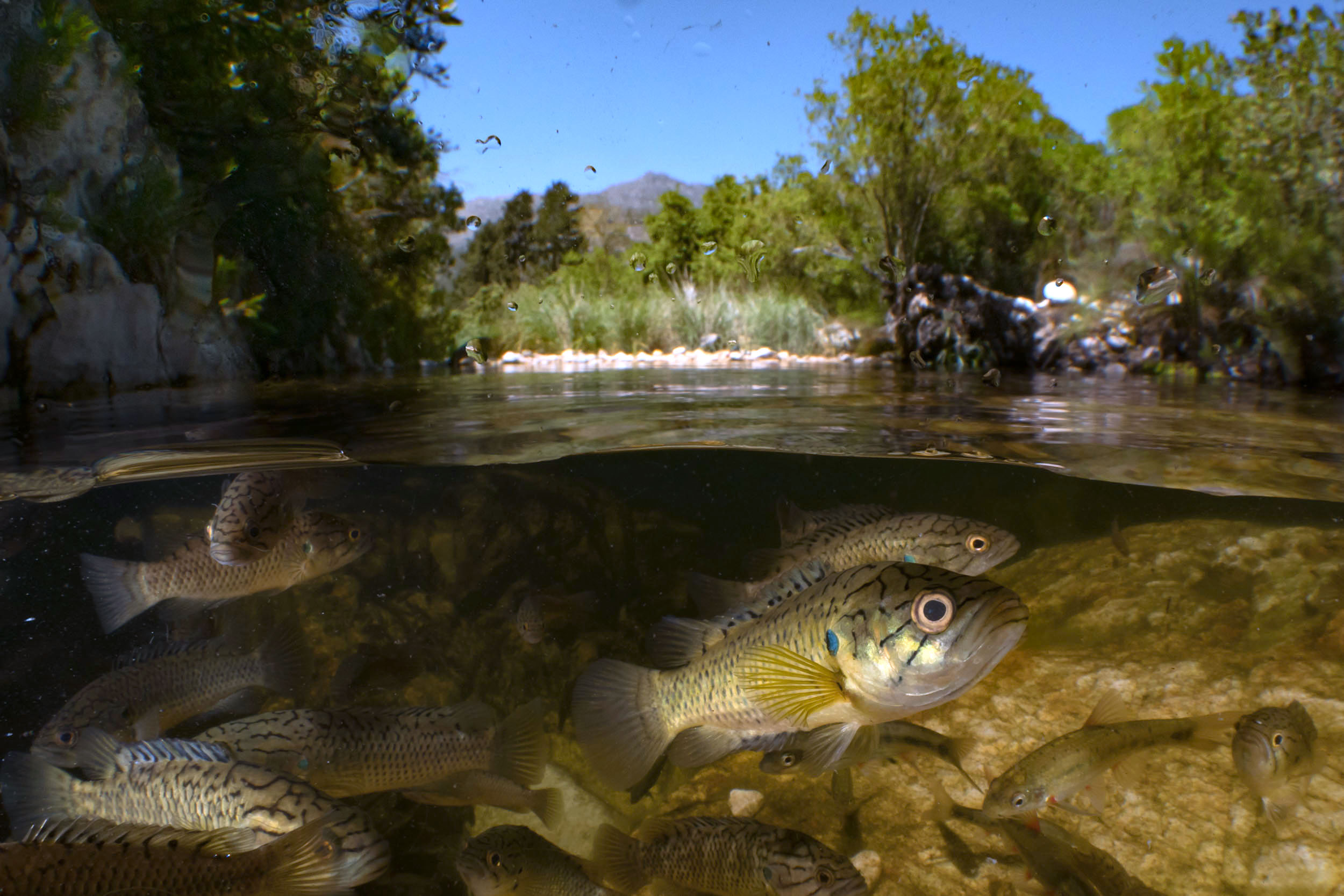
© Jeremy Shelton

© Jeremy Shelton

Africa's Forgotten Fishes and the emergency recovery plan to save them

Africa’s Forgotten Fishes, a major new report, is released today. Led by WWF and supported by SHOAL and 16 other leading conservation organisations, this landmark publication puts the spotlight on the astonishing diversity of Africa’s freshwater fishes, the mounting threats they face, and the urgent action needed to save them.

Africa is home to at least 3,281 species of freshwater fish, from electric elephantfishes to ancient lungfishes and the spectacular cichlids of the Great Lakes. These species underpin entire ecosystems and support the daily lives of millions of people. In fact, Africa produces nearly 30% of the world’s wild freshwater fish catch – the highest per capita consumption of any continent – and employs more than 3 million people through inland fisheries.

But these vital species are vanishing fast.

Freshwater fish populations are plummeting across the continent due to habitat loss, pollution, invasive species, over-abstraction, damming, unsustainable fishing and climate change. Already, at least 26% of Africa’s freshwater fishes are threatened with extinction – and that’s likely a significant underestimate.

Too often, freshwater fishes have been left out of the conservation conversation. They remain invisible to many decision-makers, overlooked when it comes to infrastructure, land use and water policy, despite the enormous benefits they provide to food security, livelihoods and ecosystem health.

But there’s a path forward. Africa’s Forgotten Fishes outlines a science-backed Emergency Recovery Plan, adapted to African contexts, that includes six proven pillars: let rivers flow more naturally, improve water quality, protect and restore habitats, end unsustainable resource use, control invasive species, and safeguard remaining free-flowing rivers.

The report arrives at a moment of real opportunity. Twenty African countries have already signed onto the Freshwater Challenge – the largest global freshwater restoration initiative in history. And with the Kunming-Montreal Global Biodiversity Framework now in play, countries have committed to protecting and restoring at least 30% of inland waters.

At SHOAL, we are proud to stand behind this report and its call for urgent, coordinated action. Africa’s freshwater fishes are not just biodiversity: they are life, culture, resilience and hope. We must act now, before more species slip away unnoticed.

👉 Read the full report here

Africa's Forgotten Fishes © WWF

‘Forgotten Fishes’ report released

© Beta Mahatvaraj

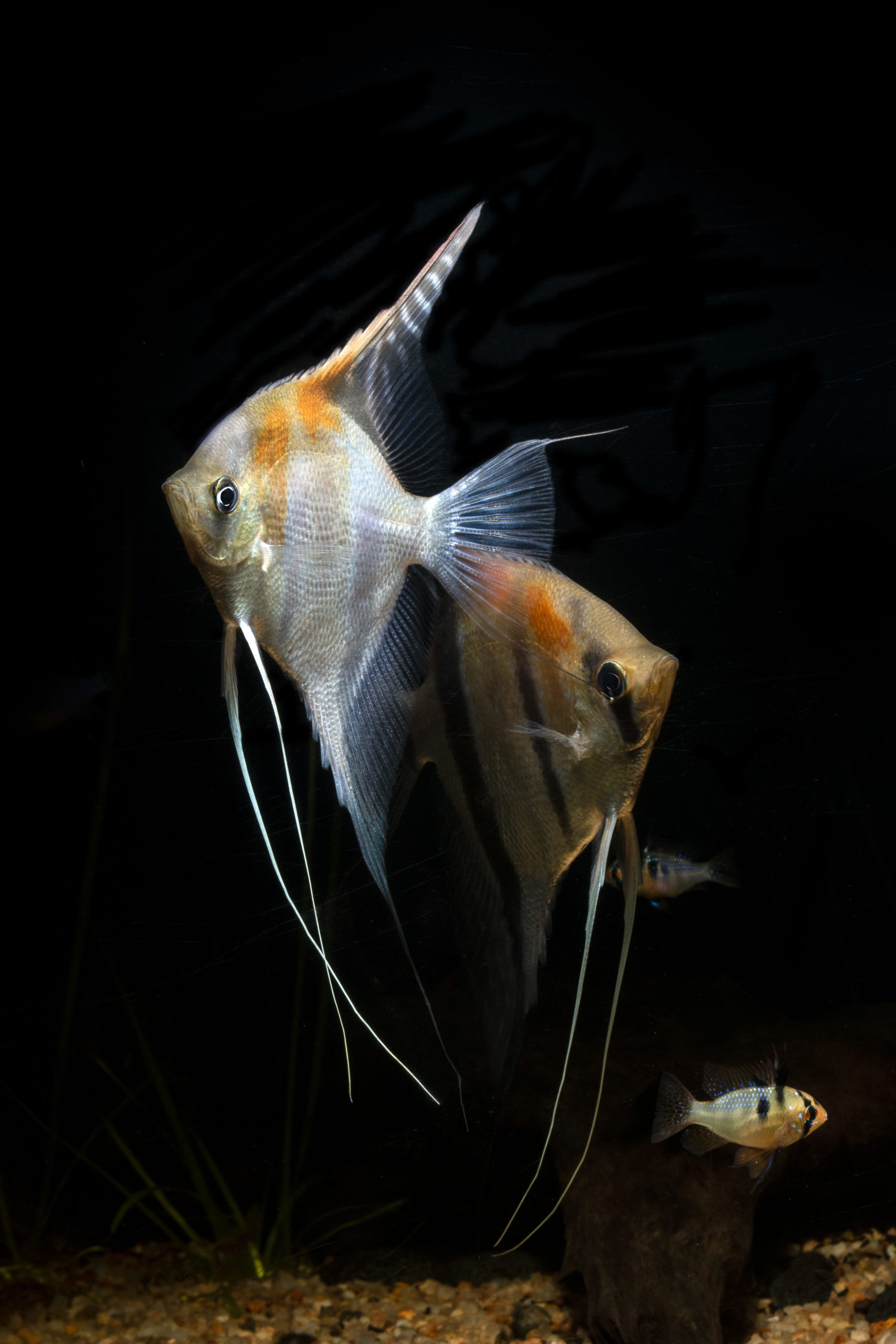
Angel fish © Beta Mahatvaraj

Shoal has released a critical report with WWF and 15 other leading conservation organisations , calling on governments to commit to an Emergency Recovery Plan for global freshwater biodiversity.

‘The World’s Forgotten Fishes’ report is a urgent call to arms for authorities to ramp up their action towards conserving freshwater ecosystems. Bold, ambitious prioritisation will be essential if we are going to bend the curve of the biodiversity crisis and safeguard the futures of freshwater species. As the report says, ‘2021 may be the last chance for governments to chart a new course that could reverse the loss of nature and put the world back onto a sustainable path’.

World's Forgotten Fishes (REPORT FINAL)

The report details the importance of freshwater fish, and discusses their central role in the livelihoods of millions of people around the world. It discusses the money generated through recreational activities such as angling, the impressive cultural heritage fish have woven into our lives, and the potentially surprising fact that aquarium fish are more popular than cats or dogs.

It explains the reasons for the catastrophic decline in fish species populations and, crucially, sets out the Emergency Recovery Plan that is needed to guide policymakers:

  1. Allowing rivers to flow more naturally.
  2. Reducing pollution.
  3. Protecting critical wetland habitats.
  4. Ending overfishing and unsustainable sand mining.
  5. Controlling invasive species.
  6. Safeguarding and restoring connectivity.

The report confirms that the ‘freshwater transition is a realistic and pragmatic one, based on measures that have already been tried and tested in at least some rivers, lakes and wetlands’, and goes on to say that ‘it is a comprehensive plan that moves us away from today’s ad hoc conservation successes towards a strategic approach that can deliver solutions at the scale necessary to reverse the collapse in biodiversity and set us on course to a future where our freshwater ecosystems are once again fully healthy and teeming with freshwater fishes and other wildlife’.

Over the coming weeks we will be highlighting Forgotten Fishes in a number of magazines and podcasts, including this interview with Mike Baltzer in angling magazine The Wading List. Keep an eye on our social media channels to stay updated with the latest.